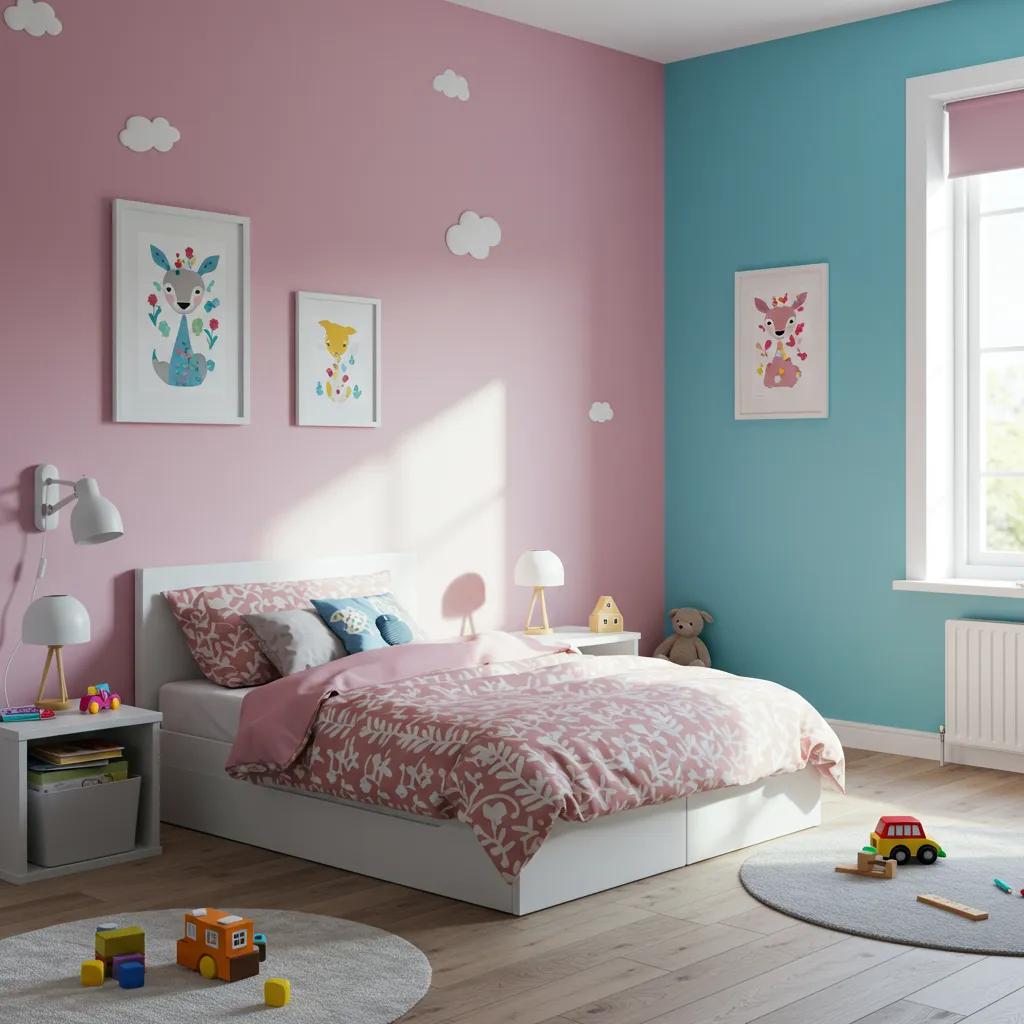
Choosing the right paint for your little ones’ rooms is a big deal for indoor air quality and your family’s overall health. Since indoor volatile organic compound levels can be up to ten times higher than outside, Durham parents need clear advice on cutting down on those lingering fumes. This guide will walk you through what VOCs are, compare low-VOC and zero-VOC paint options, point out trusted certifications and top brands for nurseries, explain HandyMastersNH’s green application process, tackle common safety worries, highlight the environmental perks, and show you how Durham families can book a safe interior painting consultation. By the end, you’ll be ready to protect young lungs, create a healthier home, and team up with a local pro for non-toxic painting solutions.
Volatile Organic Compounds, or VOCs, are basically carbon-based chemicals that easily turn into vapor at room temperature, releasing fumes into your home. In interior paints, VOCs come from solvents, additives, and colorants that help spread the pigments and binders. For example, formaldehyde and benzene derivatives make painting smoother but can release fumes for days after you’re done. Knowing where these VOCs come from is the first step to picking paints that release fewer chemicals and keep little lungs safe.
Research into paint formulas shows that even paints labeled as low-VOC or zero-VOC can still have tiny amounts of volatile organic compounds.
Breathing in VOC fumes can irritate airways and trigger allergic reactions, especially in children and those with asthma.
The initial surge in indoor pollutants from off-gassing makes cutting down VOC emissions super important for protecting developing bodies and promoting healthier air.
Durham’s older homes can sometimes trap indoor pollutants, making VOC levels even higher during painting jobs. Choosing low and zero-VOC paints helps cut down on chemical fumes, improves how well air circulates, and supports community health goals. Schools and daycares all over the Seacoast area are increasingly asking for non-toxic coatings, showing a local commitment to safe environments for families. Picking greener paints fits perfectly with Durham’s focus on cleaner living spaces and the well-being of children.
Low-VOC paints have a maximum of 50 grams of VOCs per liter and usually use water-based ingredients instead of oil-based solvents. This means less off-gassing, a milder smell, and better indoor air quality. Homeowners often use low-VOC paints in living rooms and hallways where good airflow helps keep emissions below risky levels, making interior painting projects more comfortable.
Zero-VOC paints are made with less than 5 grams of VOCs per liter, relying almost entirely on water-based carriers and natural additives. Even though they’re called “zero-VOC,” tiny amounts can sometimes come from color pigments and certain performance boosters. Always look for third-party certifications to be sure the dried paint releases very few chemicals, making zero-VOC a fantastic choice for sensitive areas like nurseries.
Understanding the small differences in VOC content and how much they might release is key to making smart choices that lead to healthier indoor spaces.
Here’s a quick rundown of low-VOC and zero-VOC paint features for easy comparison.
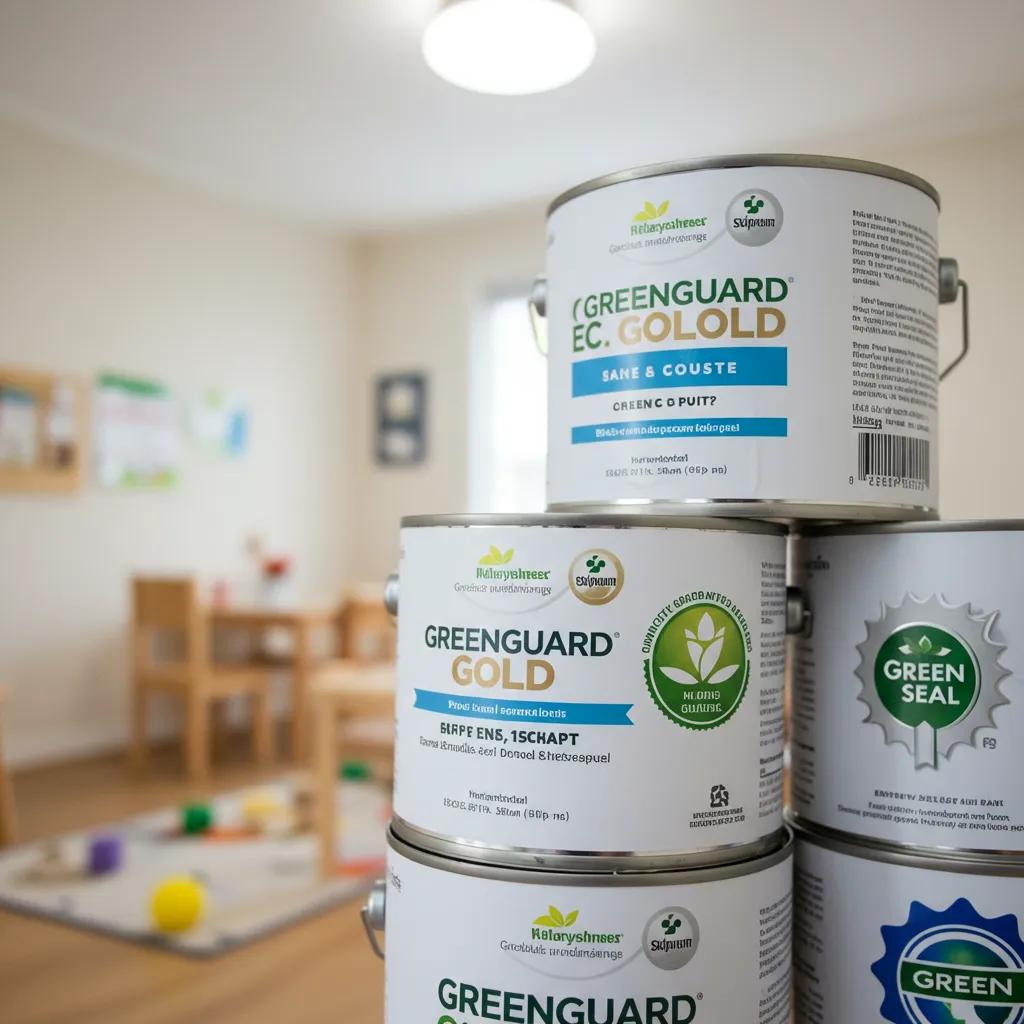
Certified labels confirm that paint companies meet strict emission standards and are open about their ingredients.
Choosing certified paints means they meet safety standards and gives families peace of mind for eco-friendly painting projects focused on kids.
Top brands skillfully blend performance with health-conscious formulas and are easy to find.
These choices balance being easy to clean with safety, making them great options for busy kids’ spaces in New Hampshire homes.
Picking the right finish is key to making high-traffic areas last longer and stay cleaner. Eggshell and satin finishes are great at resisting scuffs, can be wiped down gently, and help colors stay bright. Tough coatings prevent early wear, mean you won’t have to repaint as often, and help improve air quality by reducing dust and particles that can hold allergens. Prioritizing washability means walls stay fresh without needing harsh chemicals or constant repainting.
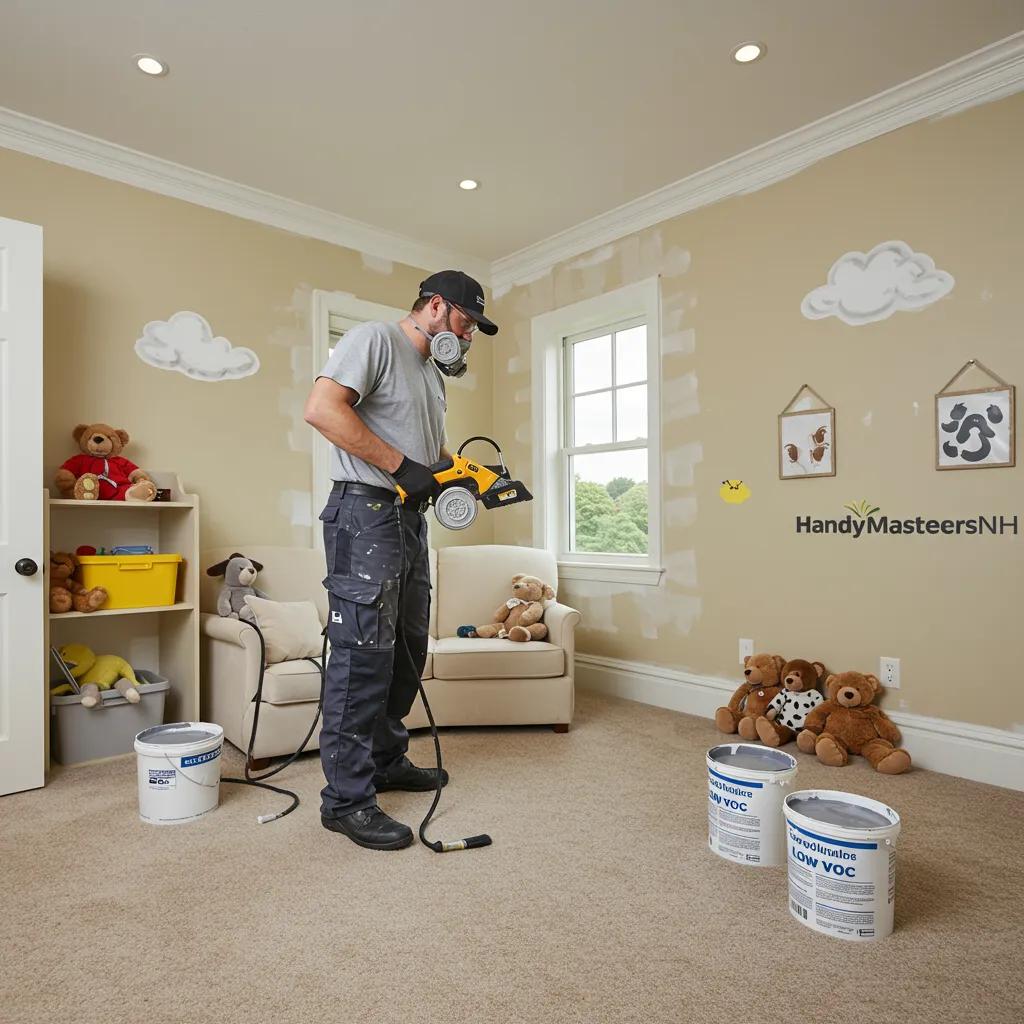
Handymasters Painting Co. follows a careful, health-first process designed to minimize VOC exposure:
This complete process ensures a safer drying environment and maintains excellent indoor air quality from the start to the final check.
Professional painters use efficient techniques to greatly cut down on how long and how much off-gassing happens. By using commercial sprayers, precise rolling methods, and cleaning up right away, HandyMastersNH effectively reduces leftover fumes and airborne particles. Our skilled team expertly manages temperature and humidity, helping the paint cure faster and reducing exposure time compared to typical DIY jobs.
Parents consistently notice immediate improvements in smell and breathing comfort after HandyMastersNH finishes painting projects for kids. One family mentioned that headaches and eye irritation went away within hours, while another highlighted the crew’s careful containment and ventilation efforts as key to getting indoor air quality back to normal. These great reviews show why we’re a trusted partner in the community for healthy, dependable painting solutions.
Zero-VOC paints significantly cut down on chemical fumes by limiting solvent content to under 5 grams per liter. However, “non-toxic” also means being free of harmful additives and colorant VOCs. Choosing products with full ingredient transparency and third-party certification ensures that the coatings are free from formaldehyde, heavy metals, and sensitizing agents, leading to truly non-toxic interiors.
Yes, low-VOC paints can continue to release residual solvents for up to 72 hours, especially in closed-off rooms. Good ventilation, like open windows and air purifiers, helps speed up fume dispersal. Keeping an eye on humidity and temperature during the drying process can further reduce lingering fumes and help the paint dry better.
Even when using low-VOC paints, continuous ventilation is essential for managing any remaining off-gassing and ensuring the best indoor air quality.
We suggest at least 48 to 72 hours of constant ventilation to bring VOC levels back to normal. Using fans in opposite windows creates airflow that exchanges the indoor air every few minutes. Ventilating for longer than three days offers extra peace of mind, especially for newborns or people with allergies.
Paints with ultra-low odor and hypoallergenic formulas are made without common irritants like ammonia and ammonia-releasing biocides. Coatings certified by Declare or EPA Safer Choice provide complete ingredient information, helping families find options that pose minimal risk for pregnant individuals and those sensitive to chemicals.
By reducing the chemical load from off-gassing, low and zero-VOC paints effectively lower the amount of airborne pollutants and minimize particle creation. This cleaner indoor environment supports breathing health, promotes better sleep, and prevents toxins from building up over time in carpets and furniture. Better air circulation protects both your family’s health and your home’s value.
Eco-friendly paints significantly reduce volatile emissions that contribute to smog and protect local waterways from solvent runoff. Water-based formulas require fewer petroleum-based ingredients and align with state rules on industrial air quality, supporting regional sustainability efforts. Choosing green paints shows support for New Hampshire’s commitment to protecting the environment, benefiting Durham and Portsmouth families throughout the Seacoast.
With the global market for green coatings growing at over 4% annually, manufacturers are investing heavily in new water-based technologies and plant-based resins. Consumers benefit from better performance, more color choices, and competitive prices as eco-friendly options become more common. This market growth means that safer, high-quality paints are increasingly becoming the norm, not just a special option.
These simple steps ensure clear communication, set accurate expectations, and start your painting project with a focus on health.
Expect a smooth and efficient process that respects your household’s daily life. HandyMastersNH professionals arrive on time, carefully set up containment barriers, apply primer and finish coats one after another, and keep ventilation running throughout. We provide daily updates on progress and safety guidelines for drying times, ensuring minimal disruption and delivering excellent indoor air quality.
Check out HandyMastersNH’s extensive resource library for guides on GREENGUARD Gold certified products, comparisons of green paint technologies, and local success stories. Our expert articles explain how local rules affect safe paint choices and highlight manufacturer updates on low-emission developments, helping families make informed decisions.
Protect your children’s health and your home environment today by choosing low-VOC or zero-VOC paints expertly applied by Handymasters. Improve your indoor air quality, reduce chemical exposure, and gain peace of mind knowing your Durham family is breathing cleaner, safer air.
Contact Handymasters Painting Co. for a free consultation and experience professional, eco-friendly painting designed specifically for families with kids.