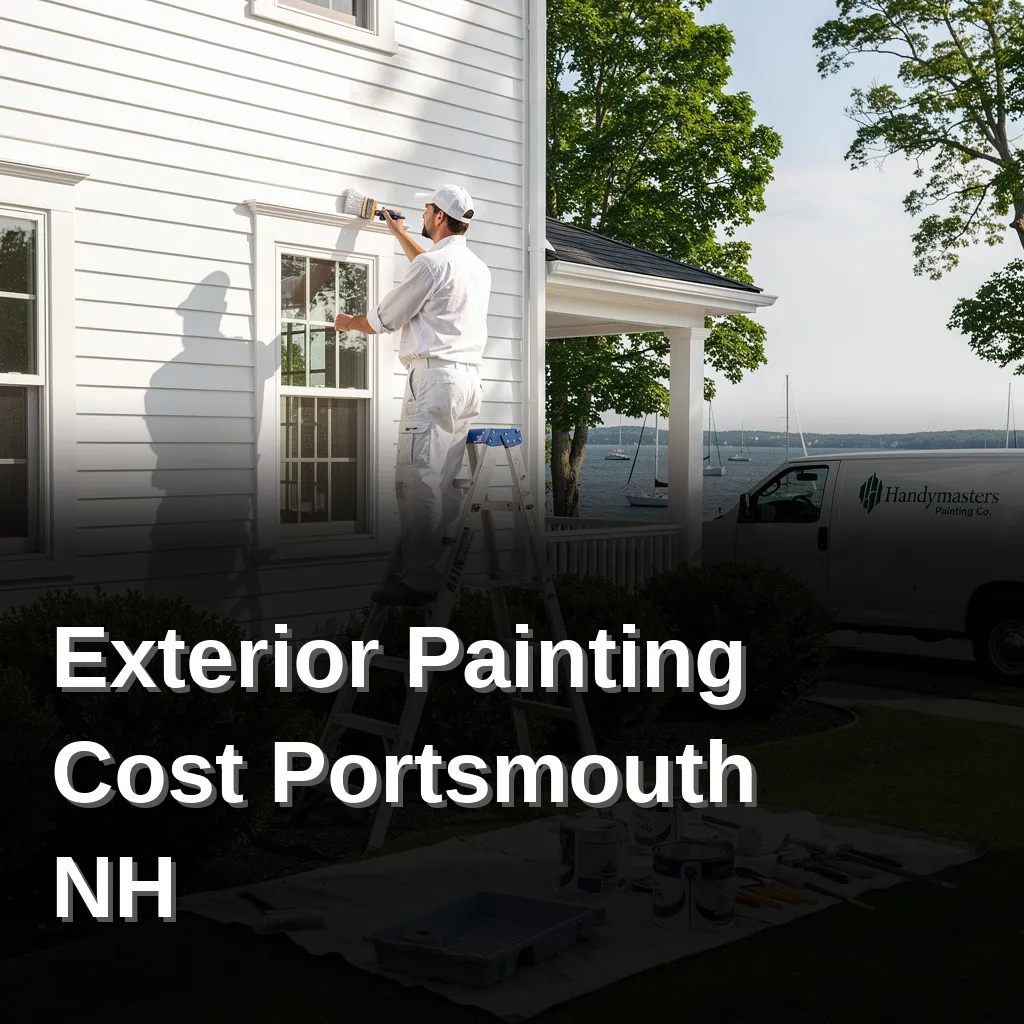
Exterior Painting Cost Portsmouth NH in Portsmouth, New Hampshire
Exterior painting costs in Portsmouth, New Hampshire vary by home size and condition. Handymasters Painting Co.

Welcome to the Handymasters Painting Co. blog—your trusted source for expert house painting tips, color inspiration, and home maintenance advice tailored specifically for Seacoast New Hampshire homeowners. Whether you're tackling a DIY weekend project or planning to hire professional painters, our guides help you make informed decisions that protect your investment and enhance your home's beauty.
We've created this resource to answer the questions we hear most often from homeowners throughout Durham, Portsmouth, Dover, and the surrounding communities. From choosing the best paint colors for New Hampshire homes to understanding when to call professionals, our blog delivers practical painting advice near me based on years of hands-on experience working in this region's unique climate and architectural styles.
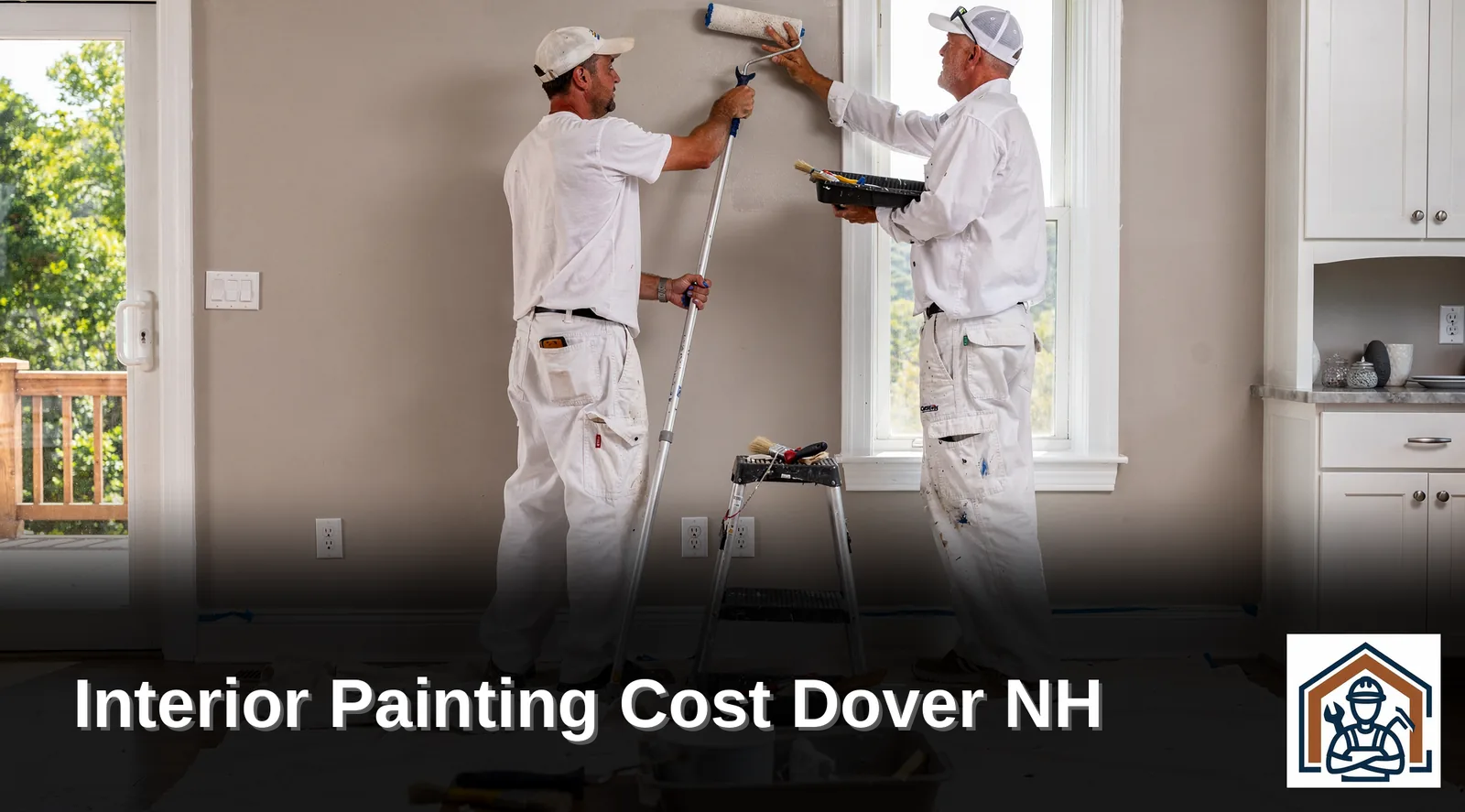
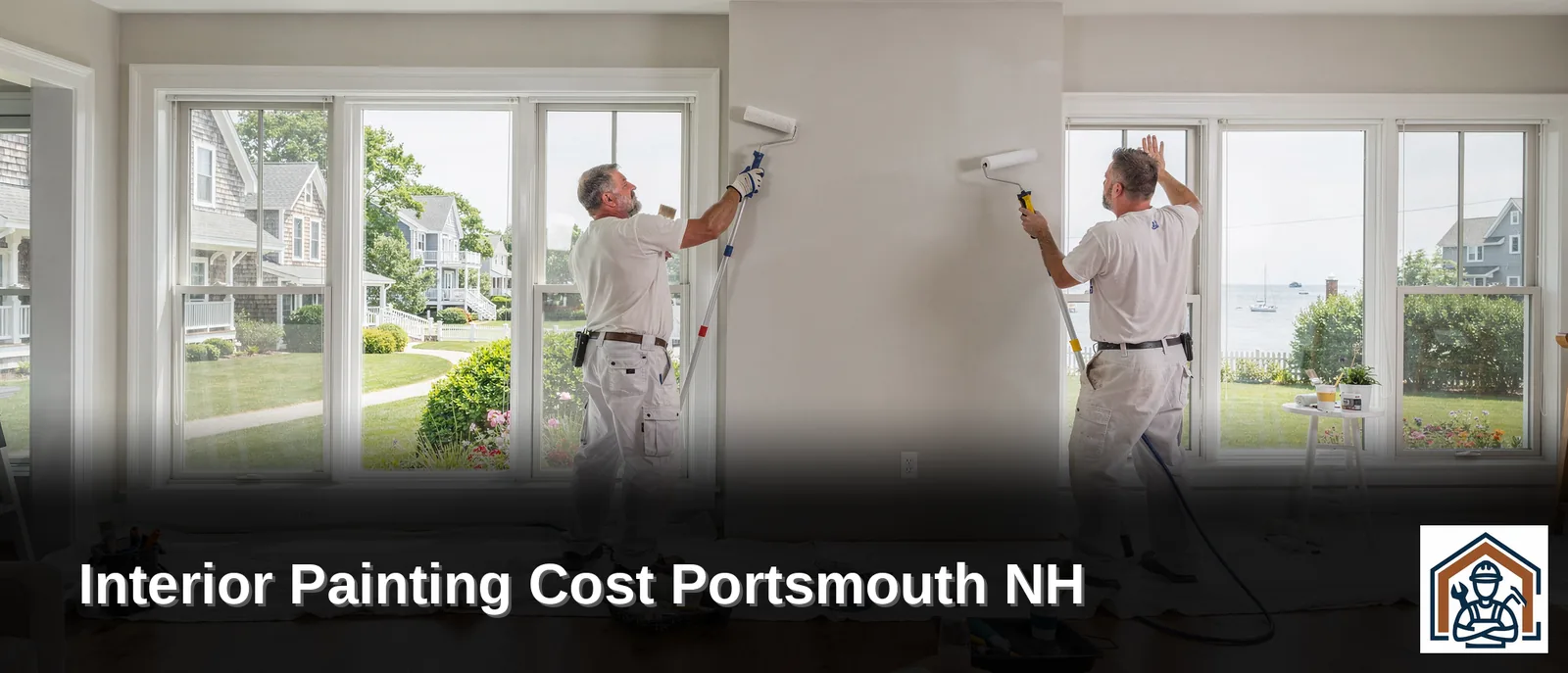

Transform your home's interior with confidence using our expert interior painting tips. Learn proper surface preparation techniques that ensure smooth, lasting finishes. Discover how to select paint sheens for different rooms—from flat finishes hiding imperfections in bedrooms to semi-gloss standing up to moisture in bathrooms and kitchens. We cover everything from cutting in around trim without tape to achieving professional-looking results on ceilings. Our interior guides help you avoid common mistakes like insufficient primer coverage, poor color testing, and rushing between coats. Whether you're refreshing a single accent wall or repainting your entire home, these tips ensure results you'll love.
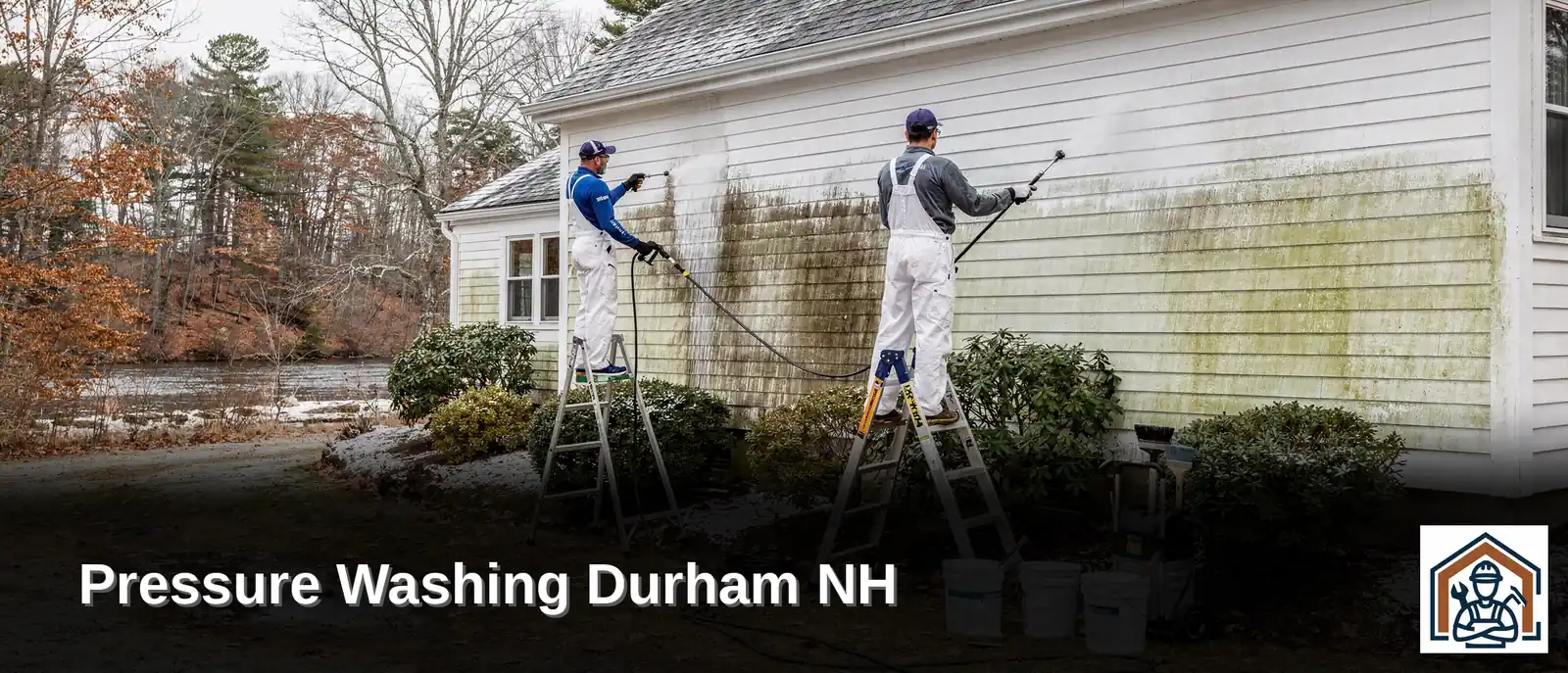
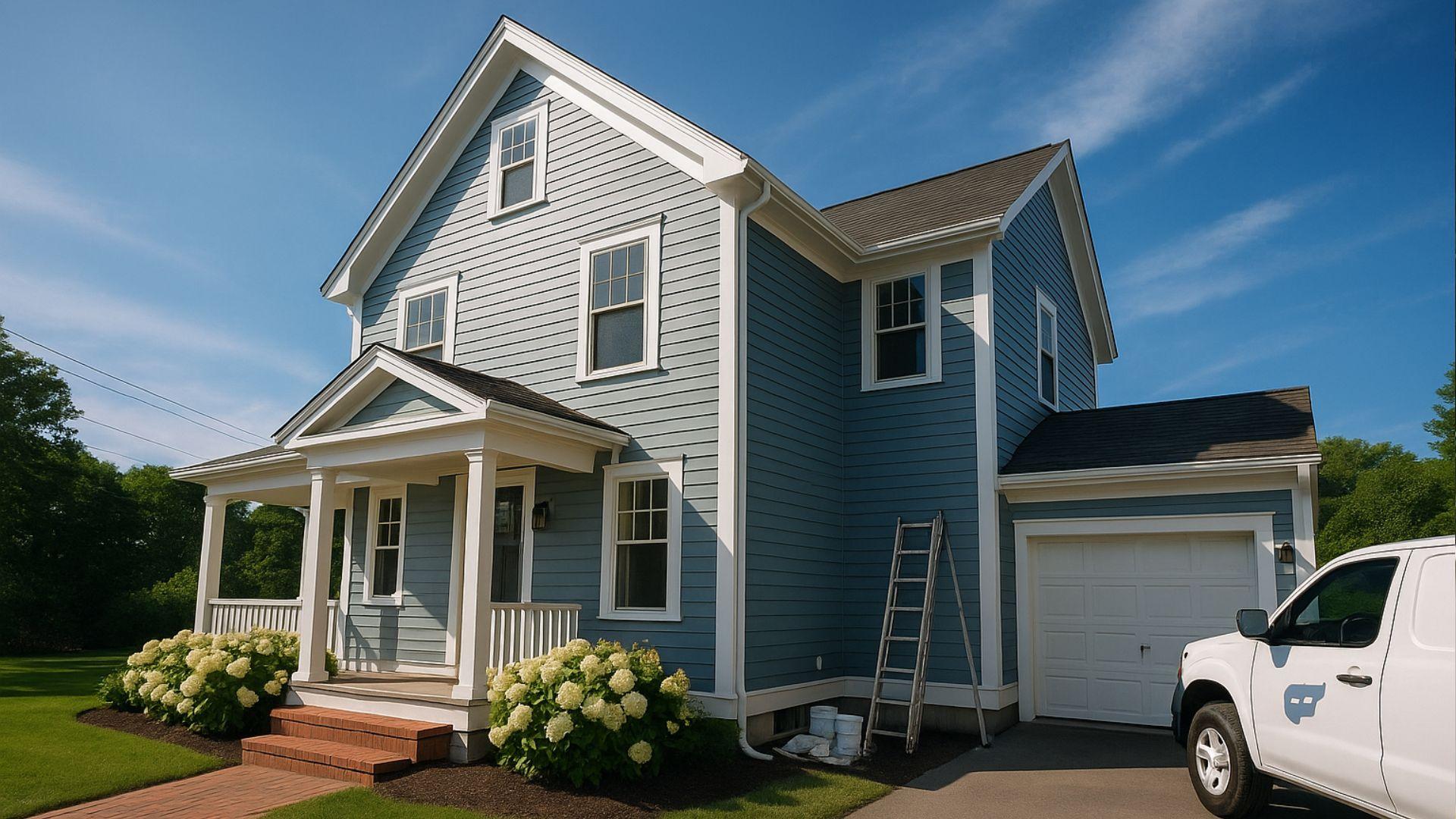
New England weather demands special attention to exterior painting techniques and timing. Our Seacoast NH painting tips address the unique challenges coastal climate presents—from salt air accelerating paint breakdown near Portsmouth and Newington to moisture issues in wooded areas of Durham and Barrington. Learn the optimal seasons for exterior painting projects, how to identify when siding needs repainting versus repairs, and which paint types withstand freeze-thaw cycles best. We explain proper surface preparation including power washing, scraping, and priming that determines whether your paint job lasts 3 years or 10. Discover maintenance schedules keeping your home protected between full repaints.
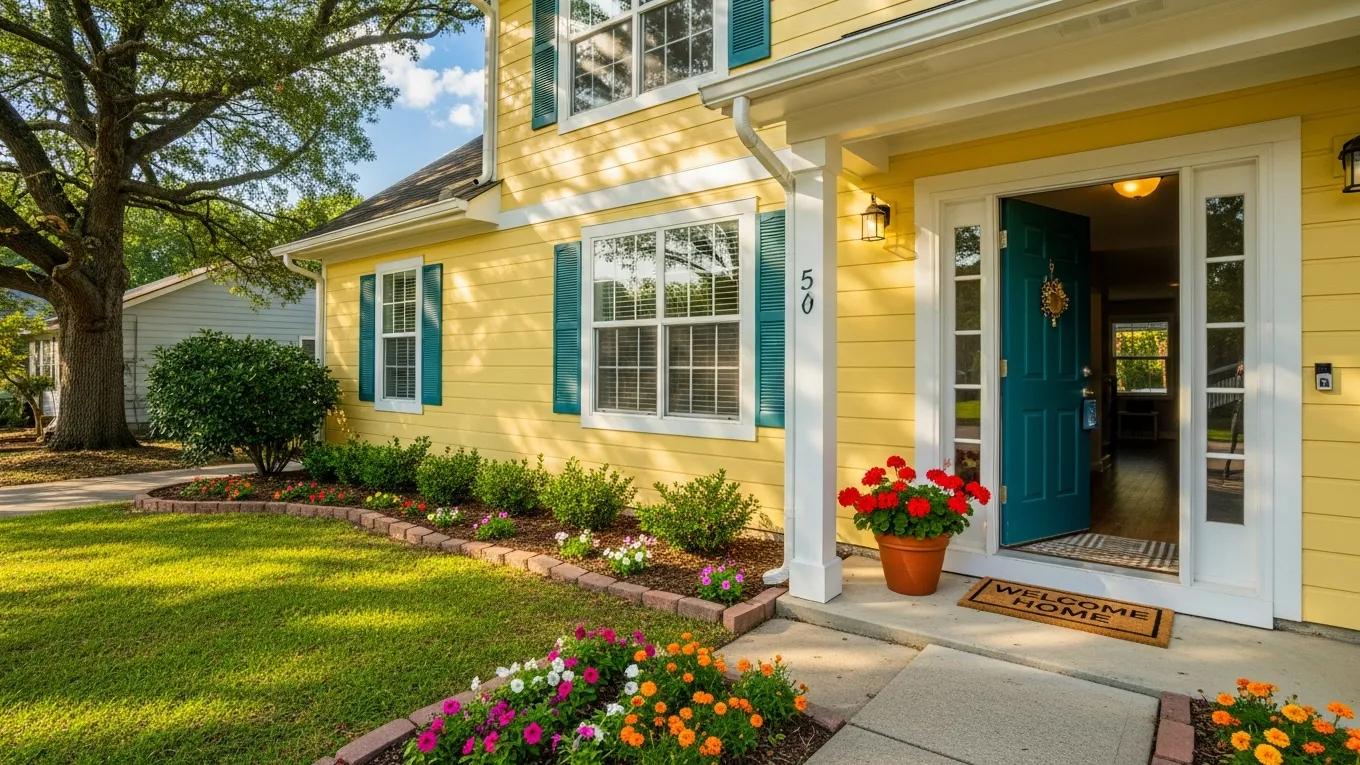
Choosing paint colors ranks among homeowners' most stressful decisions. Our guides on the best paint colors for New Hampshire homes help you navigate thousands of options with confidence. Learn which whites actually look white in north-facing rooms, how to test colors properly before committing, and which trending colors have staying power versus those dating quickly. We share insights on coordinating colors throughout open floor plans, selecting exterior colors that complement New England architecture, and using color psychology to create desired moods in different spaces. Get professional color consultation advice that considers your home's specific lighting, existing finishes, and personal style.
New Hampshire homes—from historic Colonials to modern construction—benefit from colors that work with regional light quality and architectural traditions. Cool coastal light in Portsmouth differs from wooded settings in Lee and Madbury, affecting how colors appear. We recommend warm whites and soft grays as versatile neutrals that adapt to changing light throughout days and seasons. Classic New England exterior colors like deep navy, forest green, and traditional barn red complement regional architecture while providing timeless appeal. For interiors, we guide you toward colors that make rooms feel larger in compact historic homes and cozier in new construction with high ceilings and open plans.
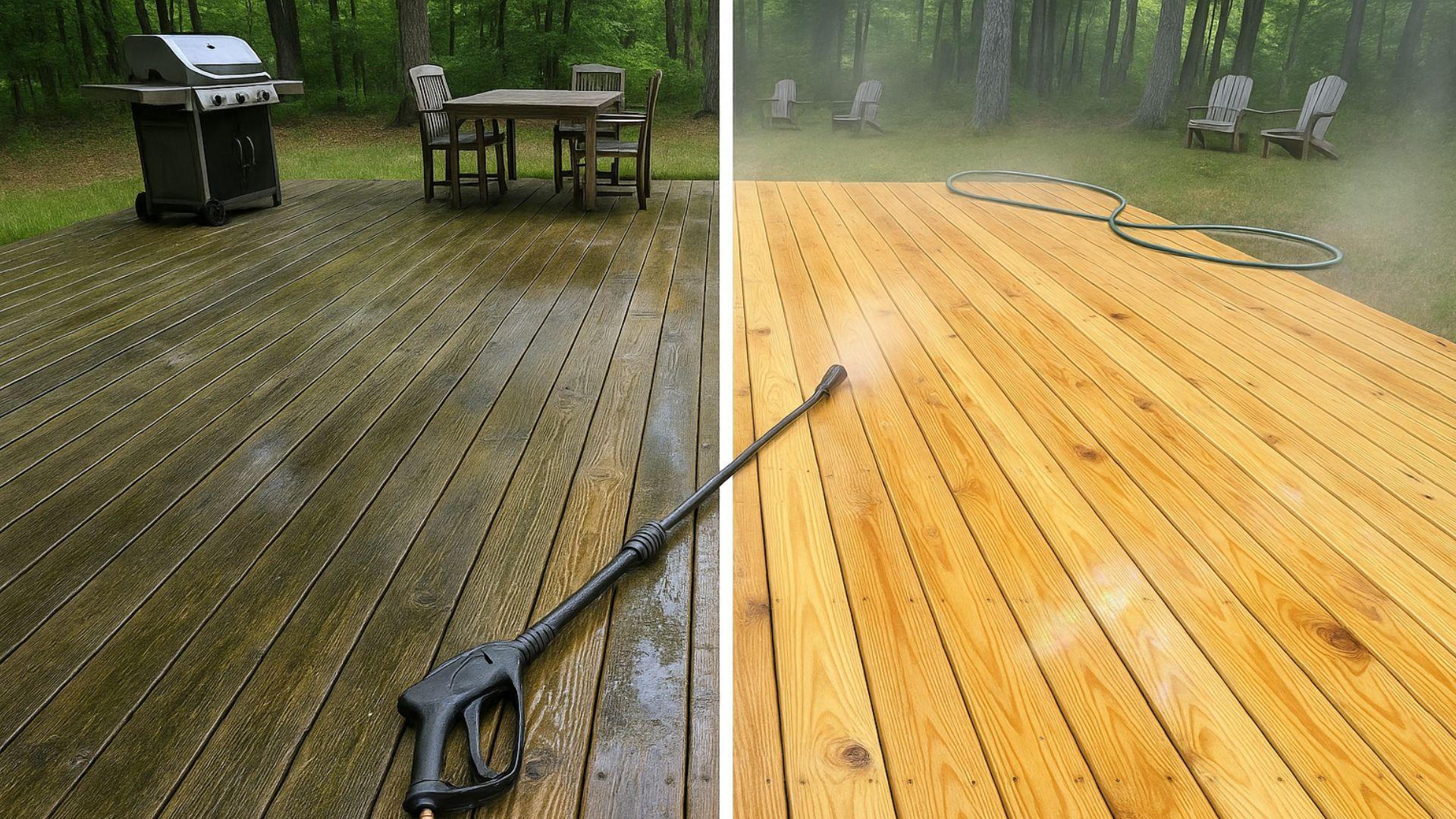
Beyond standard wall painting, specialty projects require specific techniques and products. Learn about cabinet painting and refinishing that transforms kitchens at a fraction of replacement costs. Discover proper methods for deck staining and sealing that protect outdoor living spaces from UV damage and moisture. Get tips for painting trim, doors, and millwork achieving smooth, professional finishes. We cover eco-friendly painting options using low-VOC and zero-VOC products for healthier indoor air quality. Our guides explain when DIY makes sense and when professional expertise prevents costly mistakes.
New Hampshire's dramatic seasons demand specific home care approaches. Spring guides focus on assessing winter damage, planning painting projects, and starting exterior cleaning and preparation. Summer content covers optimal painting conditions and protecting landscapes during projects. Fall articles emphasize completing exterior work before cold weather and preparing interiors for holiday season updates. Winter guides help you plan upcoming projects, tackle interior painting during cold months, and identify issues requiring attention come spring. Following seasonal maintenance schedules prevents small problems becoming expensive repairs.
Not every project requires professional painters, but knowing which ones do saves money and frustration. We provide honest painting advice near me about when DIY makes sense—like refreshing a small bedroom or painting an accent wall—and when hiring professionals prevents problems. Learn to recognize situations demanding expertise: high ceilings requiring scaffolding, lead paint requiring certified removal, extensive surface repairs, complete exterior painting, or specialty finishes like cabinet refinishing. We explain what professional painters provide beyond labor—proper insurance, quality materials, specialized equipment, and warranty backing. Make informed decisions about DIY versus professional work based on project complexity, your skill level, available time, and total costs including tools and materials.
Understanding paint sheens prevents disappointing results and premature wear. Flat or matte finishes hide surface imperfections beautifully but clean poorly, making them ideal for low-traffic areas like adult bedrooms and ceilings. Eggshell offers slight sheen with better cleanability suiting living rooms and dining rooms. Satin provides durability perfect for hallways, family rooms, and children's rooms where walls face frequent contact. Semi-gloss delivers moisture resistance essential for bathrooms and kitchens while providing easy cleaning for trim, doors, and cabinets. High-gloss creates dramatic, easily cleaned surfaces but highlights every imperfection requiring perfect surface preparation. Learn which finish works best for your specific application preventing regret after paint dries.
Professional results depend more on preparation than paint application. This comprehensive guide covers cleaning surfaces to remove dirt, grease, and contamination preventing adhesion. Learn proper patching techniques for holes, cracks, and damaged drywall that disappear after painting rather than telegraphing through. Discover sanding methods creating proper tooth for new paint without excessive dust or damage. We explain when and how to prime—over repairs, stains, dramatic color changes, and bare surfaces—ensuring uniform final appearance and maximum paint longevity. Understand protection systems keeping floors, furniture, and fixtures safe throughout projects. Master preparation and painting becomes straightforward.
Timing dramatically impacts exterior painting success in New England. Late spring (May-June) offers ideal conditions—warm enough for proper curing without extreme heat, completing work before peak summer provides protection during challenging weather. Early to mid-fall (September-October) rivals spring with moderate temperatures, lower humidity, and stable weather patterns. We explain why summer's heat can cause problems including too-fast drying preventing proper leveling and adhesion. Winter painting generally fails except during unusually warm periods as most paints require minimum 50°F for proper film formation. Plan projects during optimal windows ensuring results that last rather than fail prematurely from improper application conditions.
Learn from others' errors saving time, money, and frustration. We cover the most common mistakes: skipping or rushing surface preparation, using cheap paint requiring extra coats and failing prematurely, inadequate color testing leading to expensive do-overs, applying paint in wrong weather conditions, insufficient drying time between coats, poor quality brushes and rollers creating inferior finishes, not protecting surfaces properly causing damage, and failing to follow manufacturer specifications. Each mistake includes prevention strategies and solutions if problems occur. Understanding what not to do proves as valuable as learning proper techniques.
Avoid expensive color mistakes through proper testing. We recommend painting large samples (at least 2'x2') on multiple walls observing how color looks in different lighting throughout the day. Morning sun, afternoon shadows, and evening lamplight dramatically change color appearance. Live with samples for several days before deciding—colors that seem perfect initially may irritate after extended exposure. Test on walls adjacent to fixed elements like flooring, countertops, and furniture ensuring coordination. Consider how colors flow between connected spaces preventing jarring transitions. This small investment in sample paint and time prevents costly repainting and ensures confidence in final selections.
Health-conscious homeowners increasingly choose eco-friendly paints reducing indoor air pollution and environmental impact. Learn what VOCs (volatile organic compounds) are and why they matter—these chemicals evaporate into your home's air during application and for months afterward, causing respiratory irritation and contributing to indoor pollution. We explain differences between low-VOC (under 50 g/L), zero-VOC (under 5 g/L), and natural paints using plant-based ingredients. Discover that modern eco-friendly paints match traditional products in coverage, durability, and color selection while providing healthier indoor environments. Understand when green options make most sense—nurseries, children's rooms, bedrooms, and homes with respiratory sensitivities.
Homes throughout Portsmouth, Dover, Durham, Exeter, and surrounding Seacoast communities face unique challenges requiring tailored approaches. Coastal properties near Portsmouth, Newington, and Greenland contend with salt air accelerating paint deterioration and requiring more frequent maintenance. Historic homes common in Portsmouth and Exeter demand respect for architectural character while updating protection and appearance. Wooded locations in Durham, Lee, Madbury, and Barrington deal with shade and moisture promoting mildew growth requiring proper surface preparation and mildew-resistant primers.
Our Seacoast NH painting tips address these regional concerns specifically. We recommend paint products formulated for coastal exposure in waterfront areas. We share techniques for maintaining historic details while improving durability. We explain proper mildew treatment and prevention for shade-prone properties. Whether you're in a university neighborhood in Durham, historic district in Portsmouth, or rural setting in Barrington, our locally-focused advice helps you achieve results that last in your specific environment.
While our house painting tips help you tackle many projects successfully, some situations benefit from professional expertise. Complex projects, challenging conditions, limited time, or desire for guaranteed results all warrant calling experienced painters. Handymasters Painting Co. serves homeowners throughout the Seacoast with complete painting services from interior updates to exterior protection, from cabinet refinishing to deck restoration.
We offer free consultations and detailed estimates helping you understand project scope, timeline, and investment required. Our father-and-son team brings years of experience, quality materials, proper equipment, and genuine commitment to your satisfaction. We're licensed, insured, and backed by 5-star reviews from neighbors throughout the region.
Ready to discuss your project? Call 603-866-2947 or request your free estimate online. We're here to answer questions, provide expert painting advice near me, and deliver beautiful results that transform your home.