
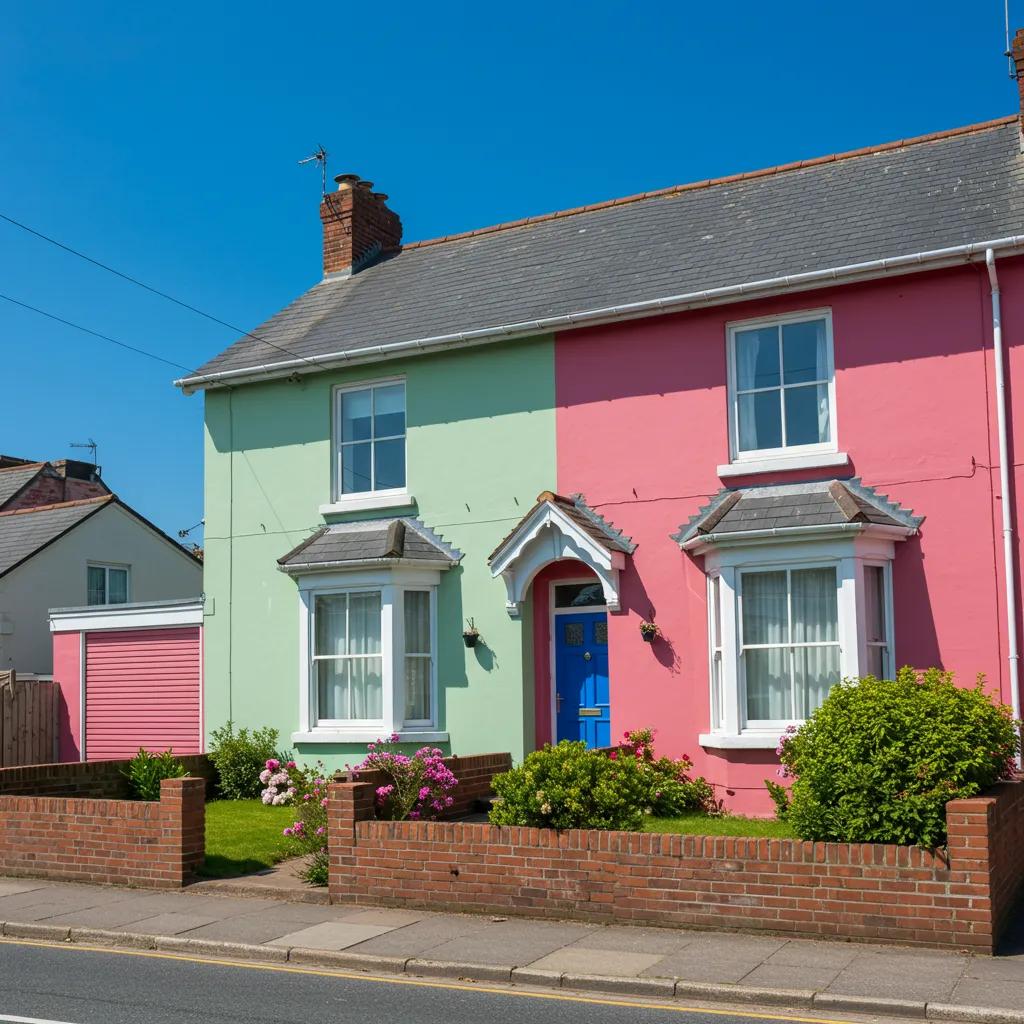
Painting the exterior of a Portsmouth home is a timing decision: it combines season, daily weather windows, and material choice to protect siding, trim, and decks while maximizing longevity and curb appeal. Good timing improves adhesion, reduces rework, and extends the life of premium coatings; poor timing creates blistering, premature failure, and avoidable expense. This guide explains how Portsmouth’s coastal microclimate—salt air, sea breezes, and localized humidity—changes the rules compared with inland New England advice, and it gives specific month ranges, daily scheduling tips, and product guidance so homeowners can plan with confidence. For local homeowners who want a professional option, Handymasters Painting Co. is a Seacoast father-and-son team that offers licensed, insured exterior painting services with free estimates and a six-step process designed for long-lasting results. Read on for a season-by-season calendar, numeric temperature and dry-time guidance, brand comparisons for coastal durability, and clear answers to common timing questions so you can schedule a successful repaint.
Portsmouth sits on the Seacoast where maritime influence changes humidity patterns, salt deposition, and wind exposure—factors that directly affect paint adhesion and cure. Coastal humidity and salt spray increase the risk of surface contamination and mildew, while prevailing sea breezes can deliver fine airborne salt that abrades fresh coatings; temperature swings between day and night also alter surface temperatures and drying rates. Understanding these local variables lets homeowners and contractors pick paint systems, timing, and prep methods that address adhesion and durability rather than relying on generic “New England” rules. The next subsections explain how temperature and humidity control drying and why rainfall and wind require specific dry windows and contingency plans.
Portsmouth’s coastal conditions create a need for targeted preparation and timing decisions that differ from inland painting projects, which leads naturally into how temperature and humidity specifically influence drying mechanics.
Temperature and humidity govern two distinct processes: surface drying (solvent evaporation) and film curing (polymer cross-linking), and both are essential for long-term adhesion. For waterborne latex paints, manufacturers generally recommend air and surface temperatures above roughly 50°F and relative humidity ideally in the 40–70% band; high humidity slows solvent evaporation, extends tack time, and raises blistering and wash-off risk. Low temperatures slow chemical curing even after the surface feels dry, which makes paint more vulnerable to mechanical damage and moisture intrusion until full cure; conversely, very high temperatures speed surface drying and can cause flash drying where the film skins over before proper flow or adhesion. Homeowners should therefore check both air and surface temperature and avoid painting in the late-evening hours when dew point approaches air temperature; this reduces the chance of condensation on fresh film and improves first-coat performance.
This understanding of moisture and temperature mechanics leads directly into how rainfall and wind alter application windows and contractor logistics for exterior projects.
Precipitation and wind are two variables that directly constrain when paint can be applied and retained on exterior surfaces; both require clear pre- and post-application dry windows and active mitigation. A practical rule of thumb in Portsmouth is to secure at least 24–48 hours of dry weather after application for most latex systems, with longer windows in high humidity or cooler temperatures because curing slows and re-wetting risk increases. Wind-driven salt and debris can adhere to wet finishes and create surface contamination; strong breezes also raise overspray and safety concerns, especially when using sprayers or working at heights. Professional crews reduce these risks by checking short-term forecasts, staging work on leeward sides, using temporary tarps or tenting for short rain risks, and selecting primers that tolerate marginal conditions when necessary, which helps maintain schedule without sacrificing finish quality.
Those mitigation approaches segue into an actionable list of weather factors to watch when planning a Portsmouth exterior paint job.
Portsmouth homeowners should monitor several critical weather factors before scheduling exterior painting:

The best seasons for exterior painting in Portsmouth balance temperature, humidity, and predictable dry windows; overall, late spring and early fall often deliver the most reliable conditions for durable work. Late May–June and late September–October typically combine moderate daytime temperatures with lower humidity and fewer extended wet stretches, reducing the risk of dew and rain-related failures while allowing coatings to cure properly. Each season brings trade-offs—spring offers mild temps but more rain, summer gives long drying days but risks flash drying and high humidity, fall usually provides cooler, steady conditions but demands attention to early frosts, and winter generally limits exterior painting to specialized low-temp products or interior tasks. The seasonal breakdown below helps homeowners choose a window that fits both their calendar and the microclimate realities of the Seacoast.
Spring brings warming temperatures and is an ideal time to repair winter damage and address mildew or flaking paint revealed by thaw, but it also brings increased frequency of rain and overnight dew that can shorten reliable dry windows. In Portsmouth, early spring still carries chilly nights and higher humidity, so mid-to-late spring windows—after several dry days—are preferable for exterior coatings to ensure both surface drying and chemical cure. Contractors often schedule prep work, pressure washing, and repairs early in spring so painting can occur during a focused dry run later in the season; this staged approach reduces weather-related delays and improves final adhesion. Homeowners should avoid scheduling on immediately following heavy rains and prefer a forecast with stable high-pressure patterns to secure uninterrupted cure time.
Planning spring work this way naturally leads into considerations for summer painting and how heat and humidity change application tactics.
Summer offers long daylight hours and often extended dry spells, enabling multi-coat projects to be completed quickly, but high surface temperatures and humidity can create adhesion and finish problems if not managed properly. Direct sunlight elevates siding temperature above ambient air temperature—especially on darker colors—causing rapid solvent loss and poor leveling, so painting early morning or late afternoon when surfaces are cooler is a practical mitigation. High humidity slows curing of waterborne systems and can prolong tackiness, which is exacerbated by late-evening dew; selecting breathable, high-quality coatings and planning work on shaded elevations reduces these risks. Contractors adapt by staging work to avoid peak heat and using application techniques that maintain film integrity during fast-dry conditions.
Avoiding midday heat and humidity issues in summer sets the stage for why fall is often the preferred season for many Portsmouth repaint projects.
Fall—particularly late September through October—often provides the best balance of daytime warmth and lower relative humidity, promoting steady drying and robust curing without the flash-dry problems of high summer or the persistent wet windows of spring. Cooler nights reduce insect activity and pollen, which helps keep surfaces cleaner during application and reduces contamination; however, early frosts or rapidly shortening daylight require scheduling earlier in the fall to finish work before temperatures drop. For coastal homes, fall can also present fewer intense storms than late summer hurricane remnants, improving the predictability of dry windows. Homeowners planning fall painting should coordinate with contractors to start earlier in the season and prioritize exposed elevations that must finish first.
Given the severe limitations, it is important to address whether winter painting is practical for Portsmouth exteriors.
Winter painting is generally not recommended for Portsmouth exteriors because most mainstream coatings require air and surface temperatures above approximately 40–50°F for proper film formation and curing, and freezing conditions prevent adequate adhesion and curing. There are low-temperature formulations marketed for marginal conditions, but they often sacrifice some durability and require very careful surface prep, specialized primers, and dry, calm conditions—rare in Seacoast winters—so their use should be limited to small touch-ups by experienced pros. Many contractors shift winter capacity to interior projects, prep work, or planning and scheduling, which ensures exterior work resumes promptly when reliable spring conditions return. Homeowners should consult product technical data sheets and rely on professionals to decide whether a winter-day exception is acceptable for a specific task.
This seasonal guidance transitions into precise numeric temperature and dry-time rules to apply when scheduling work.
Choosing the right window for exterior painting requires numeric rules of thumb for air and surface temperature, humidity, dew point, and dry windows before and after application to reduce failure risk. For most modern latex exterior paints, the typical recommended ambient air and surface temperature range is roughly 50–85°F during application and for the initial curing window, with relative humidity ideally between 40–70% and at least 24–48 hours of dry weather post-application; oil-based systems often accept slightly lower minimum temperatures but are less common for siding. Surface temperature matters as much as air temperature—direct sun can raise surface temps well above ambient, so avoid painting surfaces that exceed manufacturer surface-temperature limits. The EAV table below contrasts common paint families and their typical temperature/humidity/dry-time expectations to guide product selection for Portsmouth conditions.
Latex (acrylic) paints are the common choice for exterior siding and trim; their practical application window centers around 50–85°F with lower humidity preferred to ensure solvent evaporation and polymer coalescence. Oil-modified systems can sometimes be applied at slightly lower temperatures—down into the low 40s—but they dry more slowly and can remain vulnerable to moisture for longer periods, increasing rain-related failure risk in a maritime climate. Surface temperature under direct sun can exceed ambient by 10–20°F, leading to flash drying; always measure surface temperature and avoid painting hot surfaces even if air temperature is within range. Contractors often use fast-curing primers or select cold-weather products selectively when marginal conditions make scheduling tight.
Understanding cure windows leads directly into rules for how long to wait before and after painting relative to rain and humidity.
A conservative scheduling rule is to secure a minimum of 24–48 hours of dry weather after application for standard latex systems, with longer dry windows required in cool or high-humidity conditions because lower evaporation and slower chemical reactions extend vulnerability to wash-off. Prior to painting, ensure surfaces have been dry for at least 24 hours after rain or pressure washing to avoid trapping moisture under the paint film; porous substrates may need more drying time, especially after a wet spring. Professionals monitor short-range forecasts, humidity trends, and dew point projections and will sequence work so critical coats are applied when a reliable dry window is forecast. Those precautions reduce callbacks and help coatings achieve their expected service life.
Selecting coatings for Portsmouth homes emphasizes adhesion, UV and salt-air resistance, mildew resistance, and elasticity to tolerate thermal movement in siding and trim. Look for exterior formulations with strong binder systems, high-quality pigments, and mildewcide additives designed for coastal or high-humidity environments; these characteristics improve color retention, resist chalking, and reduce microbial staining on damp facades. For siding, a flexible acrylic exterior paint with UV-resistant pigments and mildew additives is usually the best balance of durability and maintenance; for trim and metal, choose coatings with corrosion inhibitors or appropriate primers to protect against salt-driven corrosion. Below is a brand-focused comparison that links product strengths to Portsmouth use-cases.
Premium brands typically invest in higher-quality binders and pigments that improve film cohesion, color retention, and UV resistance—attributes that translate directly into longer service life for coastal exteriors. Benjamin Moore and Sherwin-Williams formulations are commonly chosen in professional specifications because their product lines include exterior acrylics and specialty coatings with documented performance characteristics, warranties, and broad color stability under UV exposure. Handymasters Painting Co. uses premium paints such as these when the project specification calls for maximized durability and color performance in Seacoast conditions, tying product selection to the goal of reducing repaint frequency. Choosing a premium product aligns with good timing and preparation to deliver 8–10 years of service in many exposures versus shorter intervals with lower-cost alternatives.
Salt accelerates degradation by depositing hygroscopic particles on surfaces that retain moisture and foster corrosion on metal trims; salt also abrades fresh film when driven by wind, so rinsing and more frequent inspections extend coating life. In practice, homeowners in salt-exposed zones should plan annual visual inspections, periodic low-pressure rinses to remove surface salts, and targeted touch-ups in vulnerable areas every few years rather than waiting for broad failure. Using corrosion-inhibiting primers on metal and selecting mildew-resistant topcoats for shaded, damp facades reduces the risk of early failure and staining. These maintenance steps create a predictable preservation schedule that complements good timing and product selection to optimize overall lifecycle cost.
Regular maintenance planning naturally leads to why professional timing and process control matter for long-term outcomes.
Professional timing matters because experienced contractors coordinate prep, product choice, and application within local weather windows to secure adhesion and cure—reducing callbacks and extending service life. Proper sequencing (cleaning, repairs, priming, painting, inspection) matched to forecasted dry windows prevents applying topcoats over damp or contaminated substrates, which is a leading cause of premature failure. Timing also affects cost-effectiveness: a well-timed job using premium materials and correct prep can deliver years more service than a hurried application done in marginal weather. Below, a concise explanation of a professional six-step process shows how each phase ties to timing decisions and durability outcomes.
Handymasters Painting Co. follows a six-step process—surface prep including pressure washing, minor drywall and trim repairs, priming as required, application with premium paints, and a final inspection—that integrates timing and weather checks at each stage to reduce failure risk. The process starts with cleaning and assessment to remove salt, mildew, and loose paint, which is often scheduled during a stable dry window to ensure substrates dry fully before priming; repairs and priming follow when forecasted conditions guarantee adequate cure time. Painting uses premium Benjamin Moore or Sherwin-Williams coatings where appropriate, chosen for their adhesion and UV resistance, and final inspection confirms coverage and schedules any touch-ups before the next seasonal stress period. A local example: a Seacoast project that prioritized late-September scheduling and thorough salt rinsing produced a uniform finish and minimal touch-ups the following spring—an outcome that underscores the practical benefits of sequencing work to match Portsmouth weather.
This company process illustration leads into homeowner protections and why licensed, insured professionals matter for exterior projects.
Hiring licensed and insured professionals brings liability protection, adherence to local codes when permits or scaffold are required, and accountability for workmanship that often translates into longer performance and fewer surprises. Professionals bring experience in matching product systems to exposure, staging work to secure dry windows, and executing prep tasks—pressure washing, caulking, and priming—that are critical in salt-air environments and directly tied to timing decisions. Insurance protects homeowners from on-site accidents and damage, while licensing helps ensure contractors follow industry best practices and manufacturer specifications for warranties to remain valid. For homeowners uncertain about timing or product selection, requesting a no-cost estimate from a trusted local team provides a low-risk way to align project timing with local weather realities.
Having covered professional benefits, the final section answers short timing questions homeowners ask most often and offers concise, snippet-ready guidance.
Homeowners frequently ask short, actionable questions about best months, marginal-season feasibility, dry times before rain, and optimal times of day; concise numeric answers help plan and converse with contractors. The answers below are crafted to be easy to use when checking local forecasts or comparing contractor proposals, and offer quick rules of thumb that align with Portsmouth’s coastal climate realities.
The best months for repainting in Portsmouth are typically late September–October and late May–June because these windows often provide moderate daytime temperatures, lower humidity, and predictable dry stretches that allow coatings to cure properly. These ranges avoid the high-humidity, late-evening dew risk of early spring and the intense surface temperatures of mid-summer, giving contractors better scheduling flexibility and homeowners better durability. Plan projects to finish critical exposed elevations first and verify a multi-day dry forecast before starting.
Yes—with caveats: early spring and late fall can work when daytime temperatures and surface temperatures meet product specifications and when humidity and dew point are favorable, but these marginal windows require careful product selection and forecast-based scheduling. Use fast-curing primers and premium coatings where appropriate, and expect slower full cure times that call for longer protection from rain. For substantial projects, prioritize late spring or early fall when possible.
Standard guidance is 24–48 hours of clear, dry weather after application for most acrylic exterior paints, but cooler temperatures or high humidity can extend that window significantly and require 48+ hours to be safe. Surface-specific factors—porous substrates, recent pressure washing, or heavy salt deposits—can increase drying needs, so professionals monitor dew point and humidity to set conservative schedules. If rain is forecast within the minimum window, postpone the coat to avoid wash-off and adhesion defects.
Early morning or late afternoon are usually the best times to paint exterior surfaces in Portsmouth because surface temperatures are cooler and the risk of rapid flash drying or immediate evening dew is reduced compared with midday or late evening. Avoid beginning work immediately before expected dew or after several hours of direct sun on dark surfaces; contractors often stage work to apply topcoats when surfaces are stable and ambient conditions will remain favorable for the next 24–48 hours. Scheduling in these time bands improves flow, leveling, and long-term film performance.
For homeowners who want local expertise and a free estimate, Handymasters Painting Co. provides licensed, insured exterior painting with a six-step process, premium paint options, and complementary services such as pressure washing, deck staining, cabinet painting, and minor drywall repair to ensure timing, prep, and product selection are handled professionally. Their local, detail-first approach can help align project timing with Portsmouth’s unique microclimate to maximize longevity and minimize rework.
When selecting paint for coastal conditions, homeowners should prioritize products that offer strong adhesion, UV resistance, and mildew prevention. Look for paints specifically formulated for high-humidity environments, as they often contain additives that enhance durability against salt air and moisture. Additionally, consider the flexibility of the paint to accommodate thermal expansion and contraction in siding and trim. Premium brands like Benjamin Moore and Sherwin-Williams are recommended for their high-quality binders and pigments, which contribute to longer-lasting finishes in coastal climates.
Proper surface preparation is crucial for achieving a durable paint finish. Homeowners should start by cleaning surfaces to remove dirt, mildew, and salt deposits, often using a pressure washer. Any loose or flaking paint should be scraped off, and repairs to damaged areas should be made before painting. It’s also essential to allow surfaces to dry completely after cleaning, ideally for at least 24 hours, to prevent moisture from being trapped under the new paint. This preparation helps ensure better adhesion and longevity of the paint job.
Painting during high humidity can lead to several issues, including prolonged drying times and increased risk of blistering or wash-off. High moisture levels slow down the evaporation of solvents in the paint, which can prevent proper curing and adhesion. Additionally, if dew forms on freshly painted surfaces, it can cause the paint to lift or create a milky appearance. To mitigate these risks, it’s best to schedule painting during periods of lower humidity, ideally between 40-70%, and to monitor local weather forecasts closely.
Homeowners should conduct visual inspections of their painted exteriors at least once a year, particularly in coastal areas where salt and moisture can accelerate wear. Look for signs of peeling, fading, or mildew, and address any issues promptly to prevent further damage. Regular maintenance, such as low-pressure rinsing to remove salt deposits and targeted touch-ups, can extend the life of the paint. By staying proactive with inspections and maintenance, homeowners can ensure their exterior remains in good condition and avoid costly repainting in the future.
Hiring professional painters for exterior projects offers numerous benefits, including expertise in selecting the right products and techniques for specific conditions. Professionals understand local weather patterns and can schedule work to maximize adhesion and durability. They also have the necessary equipment and experience to perform thorough surface preparation, which is critical for long-lasting results. Additionally, licensed and insured contractors provide peace of mind, as they adhere to safety standards and local regulations, reducing the risk of accidents or damage during the project.
While homeowners can paint their exteriors themselves, they should be aware of the challenges involved, particularly in coastal climates. Proper surface preparation, product selection, and timing are crucial for success. Homeowners need to monitor weather conditions closely and ensure they have the right tools and materials for the job. Additionally, understanding the specific requirements for paint application, such as temperature and humidity limits, is essential to avoid common pitfalls. For those less experienced, hiring professionals may be a more reliable option to achieve a high-quality finish.
Understanding the optimal timing for repainting your Portsmouth home can significantly enhance the durability and appearance of your exterior. By considering local weather conditions and selecting the right products, homeowners can ensure long-lasting results that withstand the coastal climate. For those seeking professional assistance, Handymasters Painting Co. offers expert services tailored to meet the unique challenges of the Seacoast. Contact us today for a free estimate and let us help you achieve a beautiful, resilient finish for your home.