
Interior paint refreshes protect surfaces and keep a home looking intentional; generally, interior walls in Dover should be repainted every 3–7 years, with high-traffic or moisture-prone areas often needing attention every 2–4 years. This guide explains the baseline repaint intervals, the Dover-specific factors that shorten or extend paint life, and the practical signs that indicate whether a spot repair or full repaint is necessary. Homeowners will learn which rooms typically require more frequent refreshes, which paint chemistries and finishes offer the best durability for Seacoast New Hampshire conditions, and simple maintenance steps to stretch intervals between projects. We’ll also provide room-by-room schedules in an easy-to-scan table, compare paint types and finishes, and show when calling a local pro makes sense. Read on for targeted advice on repaint frequency, the effects of humidity and sunlight on interior coatings, and how to diagnose repaint needs so you can plan maintenance strategically.
Generally, interior walls need repainting every 3–7 years, while high-traffic rooms and moisture-exposed areas often require repaints every 2–4 years. This guideline reflects how paint quality, surface preparation, and household activity interact to determine lifespan; premium 100% acrylic latex with proper priming tends to sit at the longer end of the range. Dover’s coastal climate—seasonal humidity swings and variable sunlight—adjusts these intervals, so the rule should be treated as a starting point rather than a fixed schedule. Understanding local modifiers helps you prioritize rooms and schedule repainting before visible damage appears, which prevents more expensive repairs later and maintains indoor air quality. For specific insights into Dover’s unique painting needs, consult local experts.
The general industry consensus places most living spaces in the 3–7 year repaint window, with lower-traffic bedrooms toward the upper end and active family rooms toward the lower end. Paint longevity hinges on factors like product quality, primer use, application method, and finish choice; premium paints and proper prep extend intervals significantly. For example, an adult bedroom with moderate use often lasts closer to seven years, whereas a kids’ playroom with frequent scuffs may need attention in three years or less. These examples show why homeowners should combine a numeric guideline with room-specific observation to decide when to repaint.
Dover’s New England climate influences interior paint life through humidity cycles, winter heating, and sun exposure—south- and west-facing rooms can fade faster from UV, while bathrooms and kitchens face accelerated wear from moisture and grease. Homes on the Seacoast also experience salt-laden air that can affect window trim and result in more frequent cleaning, which indirectly impacts painted surfaces. Older homes with historic substrates or multiple previous paint layers often require more extensive surface preparation, shortening the practical interval between repaints if prep is deferred. Knowing these local modifiers lets homeowners anticipate earlier touch-ups and plan for thorough surface prep when scheduling a full repaint.
Paint lifespan depends on five core variables: paint quality, surface preparation, finish (sheen), room activity, and environmental exposure. Each variable changes the effective lifespan in predictable ways—for example, poor prep or inadequate primer can halve a paint job’s useful life, while higher-sheen finishes often resist scuffs better in active areas. Regular maintenance—gentle cleaning, prompt spot repairs, and humidity control—works with these factors to preserve appearance and delay full repaints. Understanding how these elements interact helps you choose products and habits that fit your household’s use patterns rather than relying on calendar-only repaint schedules.
Paint quality and chemistry determine abrasion resistance, color retention, and cleanability; premium 100% acrylic latex paints generally offer the best balance of durability, fast drying, and low-odor cleanup for most interior walls. Higher-grade paints contain more binders and pigments that resist fading and staining, and using a proper primer improves adhesion and blocks stains that would otherwise bleed through. For areas requiring extreme durability—trim, doors, or surfaces previously finished with oil—specialty formulations may be appropriate, but for general walls the move toward waterborne acrylics combines longevity with easier maintenance. Choosing quality paint and matching primer to substrate reduces the frequency of repaint cycles and improves long-term finish stability.
Room activity drives the type of wear paint receives: scuffs and hand marks in hallways, grease in kitchens, moisture-induced clouding and mildew in bathrooms, and general fading in sun-exposed living rooms. Households with children, pets, or heavy entertaining accelerate abrasion and staining, which shortens repaint intervals unless harder-wearing finishes and washable formulations are used. Simple mitigation—installing chair rails, selecting satin or semi-gloss where appropriate, and regular spot-cleaning—can shift a room’s expected repaint date by several years. Identifying usage patterns lets you match finish and maintenance to reduce repaint frequency while retaining the desired look.
Visible and functional indicators reveal when paint has reached the end of its serviceable life: fading, cracking, peeling, persistent stains, and mold or mildew growth are primary signs that a repaint or remediation is needed. Some issues, like shallow scuffs or small stains, are excellent candidates for spot touch-ups; others, such as widespread peeling or moisture-driven deterioration, require a full repaint after addressing the underlying cause. Performing a quick diagnostic—clean a small area, press a fingernail at a peeling edge, and inspect for substrate damage—helps decide whether a touch-up, patch-and-paint, or complete repaint is appropriate. Learning these signs prevents unnecessary full repaints and ensures that when you do repaint, it’s done to last.
Fading shows as loss of color intensity, often first visible on bright walls that receive direct sun; cracking appears as hairline splits in the coating surface due to thermal movement or poor adhesion, and peeling indicates deeper adhesion failure often from moisture or inadequate prep. A simple cleaning test (wipe a small area with a mild cleaner) reveals if discoloration is surface soiling or pigment loss; a gentle scrape tests adhesion and the need for stripping. When cracking is limited to the topcoat and substrate is sound, spot sanding and repainting can suffice, but widespread peeling signals a need to remove failing layers and properly prime before repainting. Recognizing the pattern of failure helps prioritize remediation steps and prevents repeat problems.
Beyond visual failures, stubborn odors that persist after cleaning, recurring mildew/mold in damp areas, and outdated or faded colors that undermine resale appeal all justify repainting. Persistent odors or mold often indicate moisture control issues that must be fixed—repainting alone will only mask symptoms temporarily. For homeowners preparing to sell, a fresh, neutral interior offers outsized return on investment by improving perceived condition and light in rooms. Evaluating these aesthetic and functional indicators together helps determine whether a cosmetic refresh or a more substantial renovation is required.
Intro to diagnosis table: the following table helps homeowners match common signs to causes and recommended actions so you can choose between touch-up and full repaint.
This diagnostic table clarifies common failures and the appropriate homeowner response, guiding whether to attempt DIY touch-ups or call a pro for more extensive work.
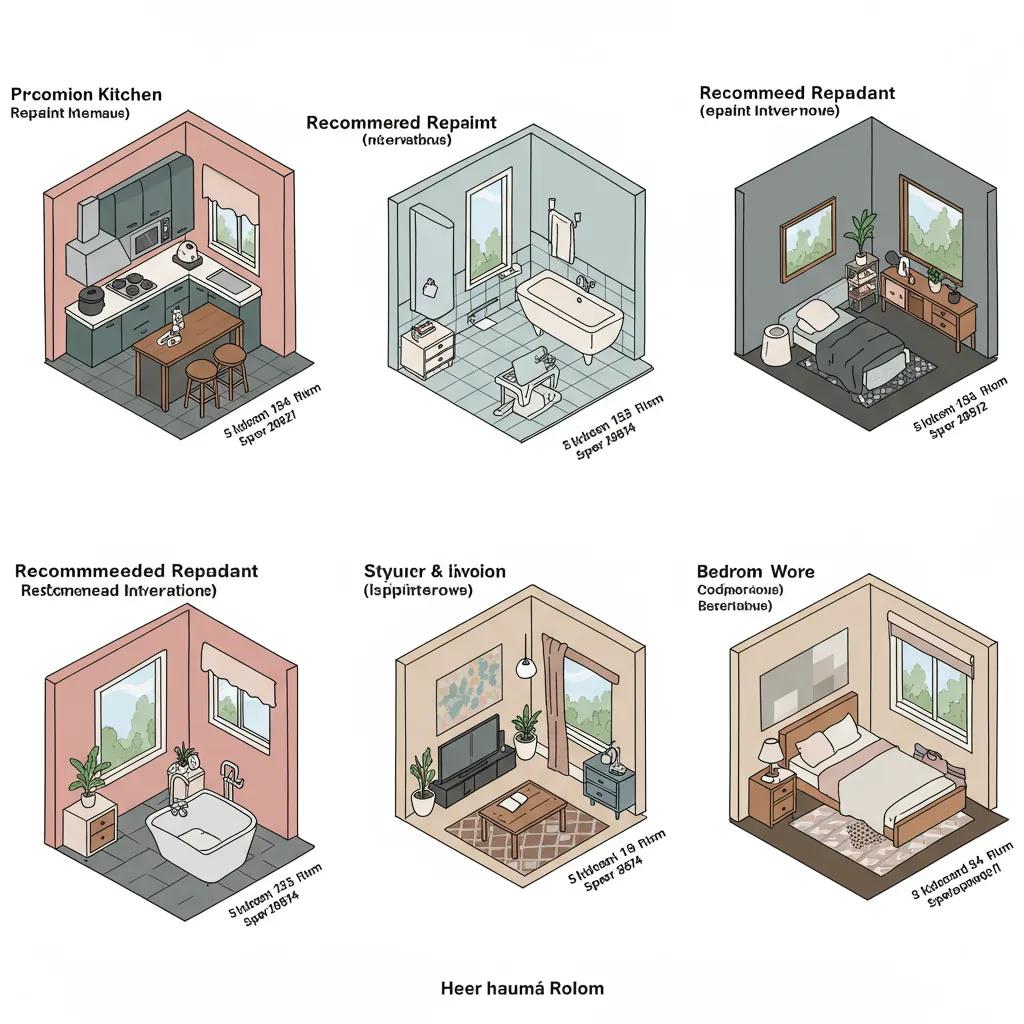
Different rooms require different repaint intervals based on traffic, moisture, and stain risk; a room-by-room schedule helps prioritize maintenance and budget for repaint projects. The following table provides a concise, scannable repaint schedule tailored to Dover home conditions, with reasons so homeowners understand the trade-offs between durability and appearance. Use this as a planning tool: if your house matches the usage examples, follow the interval; if your household is heavier-use, shorten timelines accordingly. After the table, read room-specific tips for finishes and ventilation measures that extend paint life.
Kitchens and bathrooms typically need repaints every 2–4 years because grease, steam, and frequent cleaning wear coatings faster than in other rooms. Selecting semi-gloss or satin finishes improves cleanability and scuff resistance in these areas, and using mildew-resistant formulations with low-VOC content helps maintain indoor air quality. Proper ventilation—range hoods and exhaust fans—reduces moisture exposure that accelerates paint failure, and routine cleaning prevents buildup that causes stains to bond with pigments. These practical measures extend interval length and reduce the frequency of costly full repaints.
Living rooms and bedrooms often last 5–10 years depending on sunlight exposure and household activity, with bedrooms typically lasting longest when used lightly. Hallways and stairwells sit between high- and low-traffic zones and usually need attention every 3–5 years; applying satin or semi-gloss in these transitional spaces makes spot cleaning effective at delaying full repaints. For living rooms with strong sun exposure, consider UV-resistant topcoats or window treatments to slow color fade. Simple touch-up strategies—keeping a small leftover paint can for future repairs—greatly extend the perceived lifespan of a full job.
Integration note (room-specific expertise): After reviewing room-by-room timing, local professionals can provide a tailored assessment that accounts for your home’s microclimates and surface history; Handymasters Painting Co. offers free estimates and consultations to recommend finishes and schedules that minimize disruption while maximizing durability.
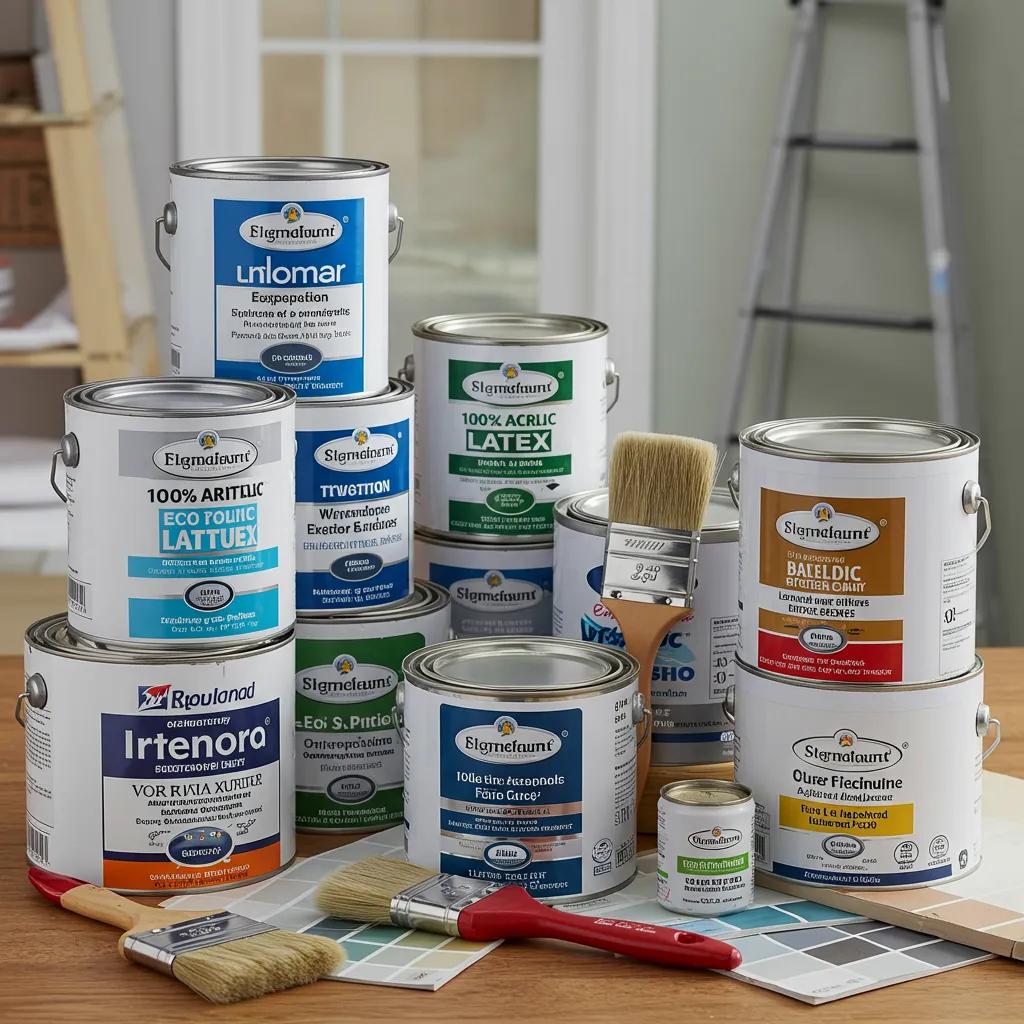
Selecting the right paint type and finish is one of the most effective ways to extend repaint intervals in Dover homes; typically, premium 100% acrylic latex paints with satin or semi-gloss finishes deliver the best durability and cleanability for most interior rooms. Eco-friendly low- and zero-VOC formulations are now comparable in performance to traditional paints while improving indoor air quality, which is important for tightly sealed New England homes. Surface preparation and primer selection remain as important as paint choice—the right primer and multi-coat system create the adhesion and stain-blocking properties that determine long-term performance. Below is a comparative table to help you choose the right chemistry and finish for each use case.
Latex (waterborne) paints dry faster, clean up with water, and provide excellent flexibility and color retention, making them the preferred choice for most interior walls in modern homes. Oil-based paints offer a very hard, smooth finish that can be beneficial on trim and cabinetry but have stronger odors, longer cure times, and require solvent cleanup. For Dover homes, the versatility and environmental improvements in modern latex formulations—especially 100% acrylic variants—make them the practical recommendation for walls, while oil-based products are reserved for specific trim or restoration tasks. Choosing latex also simplifies maintenance and often reduces repaint frequency because modern formulations resist yellowing and maintain adhesion.
Paint finish affects scuff resistance and cleanability: flatter sheens hide surface imperfections but are less washable, while eggshell, satin, and semi-gloss progressively increase durability and ease of cleaning. Low- and zero-VOC paints reduce indoor emissions without significantly compromising durability when you select premium brands and follow proper prep guidance. The trade-off for very high-sheen finishes is reduced forgiveness for wall imperfections, which may increase prep work but result in longer intervals before visible wear necessitates repainting. Pairing the right sheen with quality paint and correct surface preparation gives the best long-term performance for Dover interiors.
Integration note (product selection expertise): Handymasters Painting Co. regularly works with durable, low-VOC interior systems and can advise on product selection during a free consultation, combining local knowledge of Seacoast conditions with practical finish recommendations.
Hiring professionals delivers consistent surface prep, correct product choice, efficient application, and reliable cleanup—factors that together extend paint life and reduce total lifecycle costs. Professionals ensure proper adhesion through correct primer and application technique, identify substrate issues early, and achieve uniform coverage that often cannot be matched by occasional DIY efforts. For homeowners weighing DIY against hiring a pro, consider the long-term cost-benefit: a quality professional job typically delays the next repaint and reduces the likelihood of premature failure. Below is a short list of the key advantages professionals bring to interior painting projects.
These advantages lead naturally into a discussion of local providers and specific trust signals to look for when hiring.
Handymasters Painting Co. is a local, family-owned, and fully insured father-and-son team serving Dover and the Seacoast region; they emphasize personalized service and practical local knowledge for interior painting projects. Their approach includes a six-step proven process designed to ensure consistent results, and they back work with a 1000 percent Satisfaction Guarantee to reduce homeowner risk. Handymasters also offers free estimates and consultations, which help homeowners choose durable paints and finishes appropriate for Dover’s humidity and sunlight patterns. These local trust signals—family-owned, insured, structured process, satisfaction guarantee, and free consultations—make it easier for homeowners to move from planning to booking a durable, well-executed interior paint job.
Professionals save homeowners time by managing all prep, execution, and cleanup tasks efficiently, often completing projects in a fraction of the time a DIY approach requires while maintaining consistent quality. Proper preparation by pros—filling, sanding, priming, and correct application—prevents common failures that lead to earlier repainting, effectively increasing the ROI of each paint cycle. In addition, professionals can recommend finishes and product systems tailored to your household and local Seacoast conditions, reducing guesswork and the chance of selecting inappropriate products. Knowing when a job is straightforward enough for DIY versus when to hire professionals depends on substrate condition, scale, and desired longevity; for complex surfaces or high-use rooms, professional work is usually the best long-term value.
Maintenance tips list intro: below are practical steps homeowners can take to extend paint life between repaints, each actionable and easy to implement.
These maintenance habits reduce visible wear and defer the need for full repaints, improving the long-term look and value of your Dover home.
Eco-friendly paint options, such as low- and zero-VOC formulations, offer several advantages for Dover homeowners. These paints improve indoor air quality by reducing harmful emissions, making them ideal for tightly sealed homes. Additionally, modern eco-friendly paints provide comparable durability and performance to traditional paints, ensuring that you don’t have to sacrifice quality for environmental considerations. By choosing eco-friendly options, homeowners can create a healthier living environment while still achieving a beautiful finish that stands the test of time.
To extend the life of your interior paint job, regular maintenance is key. Simple practices such as gentle cleaning every few months with a mild detergent can help remove dirt and oils that degrade paint. Additionally, promptly addressing scuffs and stains with touch-ups can prevent the need for a full repaint. Controlling humidity, especially in moisture-prone areas like kitchens and bathrooms, is also crucial to prevent mildew and adhesion loss. These proactive steps can significantly prolong the lifespan of your paint and maintain its appearance.
When selecting paint finishes for various rooms, consider the room’s function and exposure to wear. For high-traffic areas like kitchens and hallways, semi-gloss or satin finishes are ideal due to their durability and ease of cleaning. In contrast, bedrooms may benefit from eggshell finishes that provide a softer look while still being washable. Additionally, consider the room’s lighting; higher sheen finishes can reflect light and enhance brightness, while flatter finishes can hide imperfections. Matching the finish to the room’s use will optimize both aesthetics and longevity.
Determining whether to perform a full repaint or just touch-ups depends on the extent of the damage. If you notice widespread issues like peeling, cracking, or significant fading, a full repaint is likely necessary. However, minor scuffs, small stains, or localized fading can often be addressed with touch-ups. Conduct a quick diagnostic by cleaning a small area to see if discoloration is surface soiling or pigment loss. If the substrate is sound and only the topcoat is affected, spot repairs may suffice, saving time and resources.
Moisture damage in painted interiors can manifest as peeling paint, mold or mildew growth, and persistent stains. If you notice any of these signs, it’s crucial to address the underlying moisture issue before repainting. Additionally, areas that feel damp or have a musty odor may indicate moisture problems. Regularly inspecting high-humidity areas like bathrooms and kitchens can help catch these issues early. If moisture damage is present, it’s essential to remediate the source and ensure proper ventilation to prevent future occurrences.
Preparing your home for a professional painting service involves a few key steps to ensure a smooth process. First, clear the areas to be painted by moving furniture and decor away from walls. This not only protects your belongings but also allows painters to work efficiently. Next, ensure that any necessary repairs, such as patching holes or fixing water damage, are completed beforehand. Finally, communicate any specific preferences or concerns with the painting team to ensure that the final result meets your expectations. Proper preparation can enhance the overall experience and outcome.
Understanding the optimal repaint frequency for your Dover home’s interior walls can significantly enhance both aesthetics and longevity. By recognizing the specific factors that influence paint life, homeowners can make informed decisions that protect their investment and maintain a welcoming environment. For tailored advice and professional assistance, consider reaching out to local experts who can guide you through the best practices for your unique situation. Explore our services today to ensure your home remains vibrant and well-maintained for years to come.