
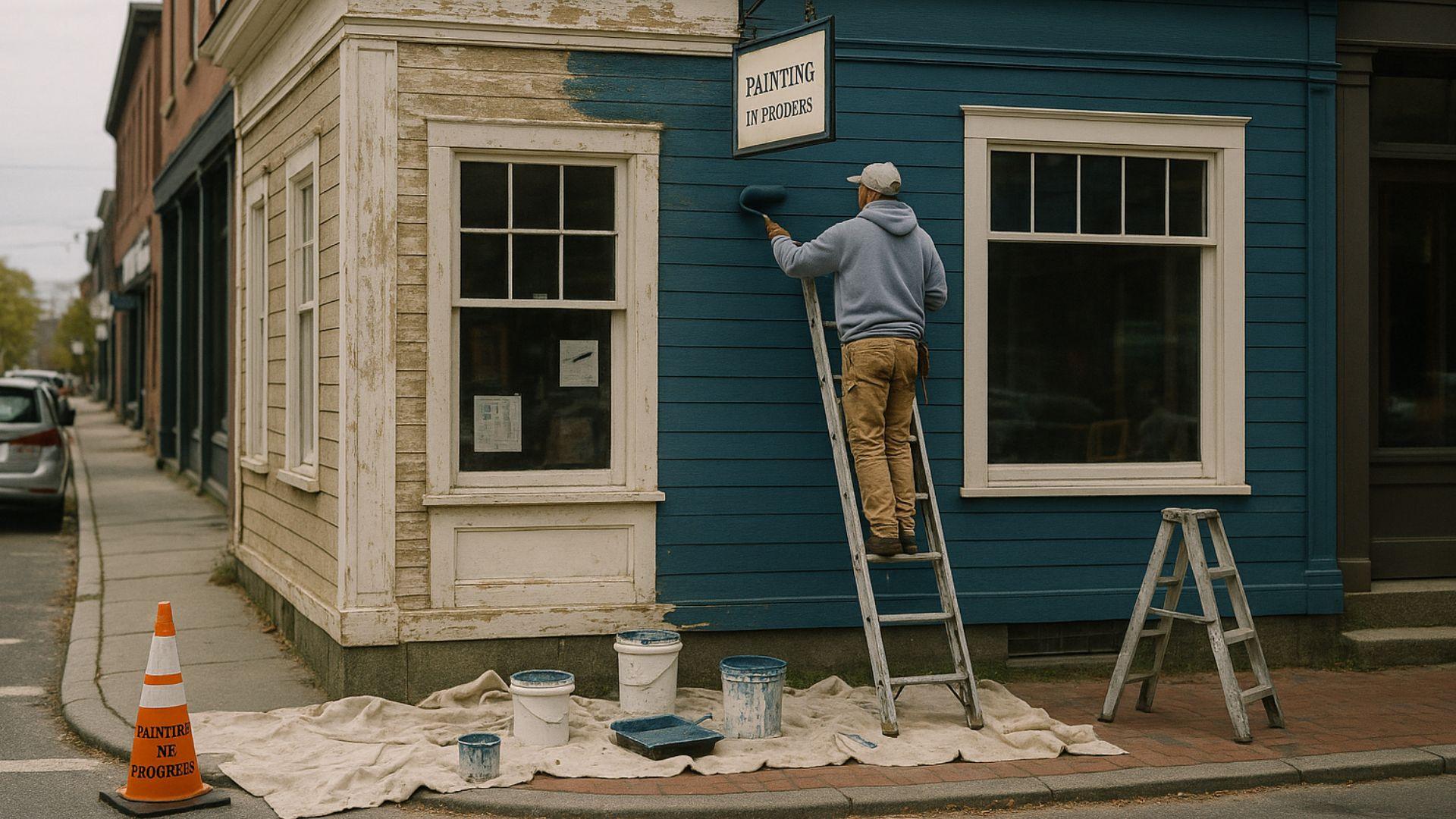
Understanding the relationship between humidity and paint adhesion is crucial for achieving high-quality results in exterior painting. The dew point, a key factor in this equation, significantly influences how paint adheres to surfaces. This article will explore the importance of tracking the Dover dew point for every job, detailing how humidity affects paint drying and adhesion, the best weather conditions for painting in Seacoast New Hampshire, and why professional painters like Handymasters Painting Co. in Dover prioritize this measurement. By the end, you’ll gain insights into how these factors can impact the longevity and appearance of your paint job.
The dew point is the temperature at which air becomes saturated with moisture, leading to condensation. When the dew point is high, it indicates that the air is humid, which can negatively affect paint adhesion. High humidity levels can cause the paint to dry slowly, leading to issues such as poor adhesion and an increased risk of mildew growth. Conversely, a low dew point can facilitate faster drying times, promoting better adhesion and a smoother finish. Monitoring the dew point allows painters to choose the right conditions for application, ensuring optimal results.
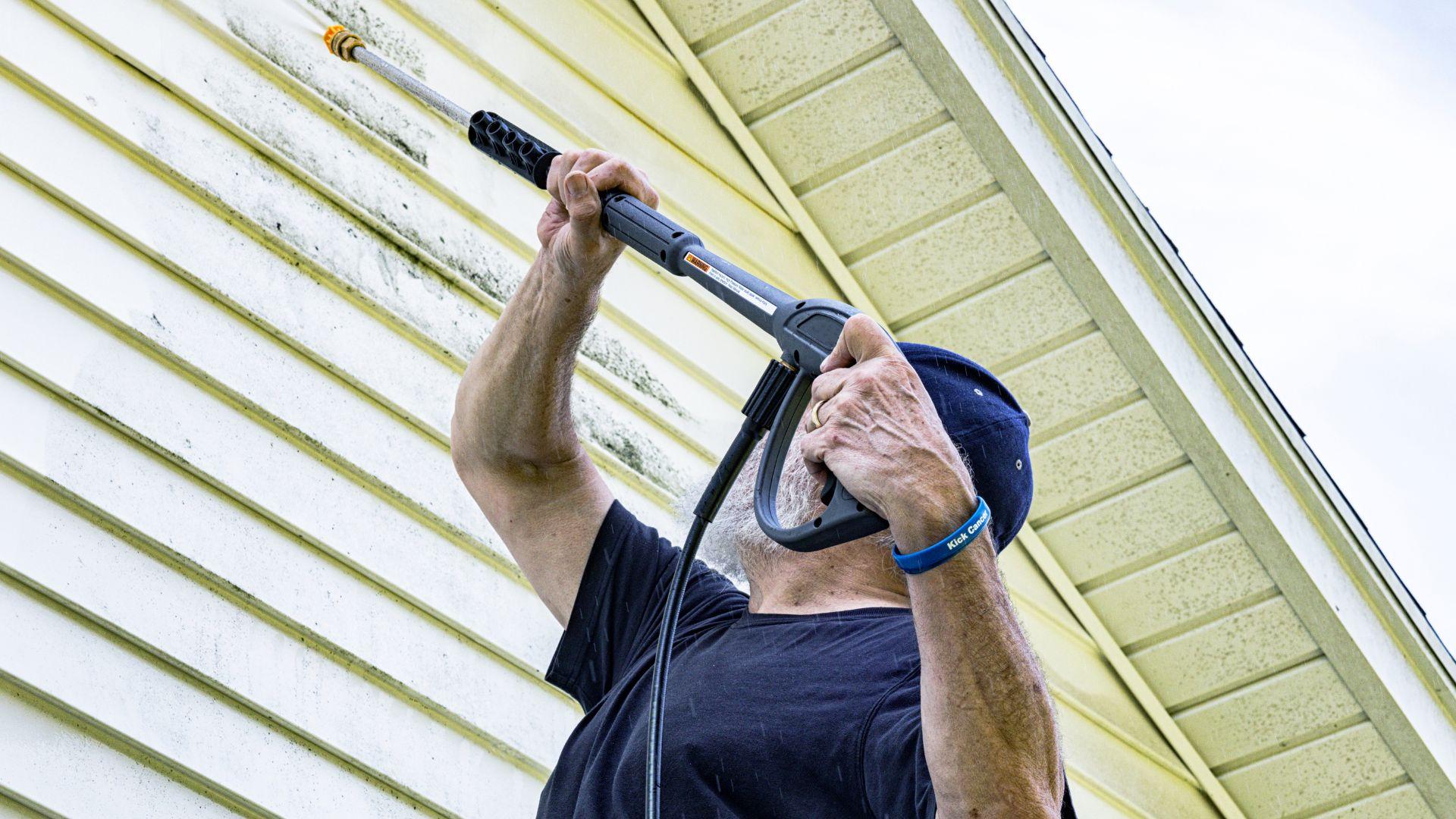
Humidity plays a significant role in the drying process of exterior paint. High humidity can lead to several challenges:
Historical studies have long investigated the physical aspects of paint drying under diverse environmental factors.
Moisture’s Impact on Exterior Paint Drying
of paints under different conditions reproducible in the laboratory, purely from a physical angle. It considers the variation in time required for a paint
Drying of Exterior Paints Under Various Weather Conditions and Over Different Woods, 1930
To mitigate these issues, professional painters often utilize humidity monitoring tools to assess the conditions before starting a job. Handymasters Painting Co.’s exterior painting services specialize in this aspect, ensuring that every project is executed under optimal conditions for paint adhesion.
For successful exterior painting in Seacoast New Hampshire, certain weather conditions are ideal:
Research further supports the importance of specific environmental conditions for successful paint application.
Optimal Humidity & Temperature for Exterior Painting
507C’ states that the ideal temperature for painting lies within the range 13-32c at a relative humidity below 90%, and that painting should be suspended under the following conditions:
Prediction of the Suitability of the Weather Conditions for External Painting: A painting weather map, 1975
Portsmouth exterior painting experts and other nearby towns like Durham also benefit from these ideal conditions, and Handymasters Painting Co.’s pressure washing services help prepare surfaces to ensure the best paint adhesion possible.
Professional painting contractors in Dover, NH, track the dew point for several reasons. First, it directly impacts the quality of the paint job. By monitoring the dew point, painters can avoid conditions that may lead to adhesion failures or unsatisfactory finishes. Second, tracking the dew point helps in planning the timing of the job. Knowing when conditions are optimal allows for efficient scheduling and resource management. Lastly, it enhances the longevity of the paint job, as proper adhesion reduces the likelihood of future maintenance issues.
In conclusion, understanding humidity and dew point is essential for achieving high-quality exterior painting results. By prioritizing these factors, professional painters like Handymasters Painting Co. in Dover can ensure that their work stands the test of time, providing homeowners with beautiful and durable finishes. For more information on our services, visit our general painting services page or our home page.