
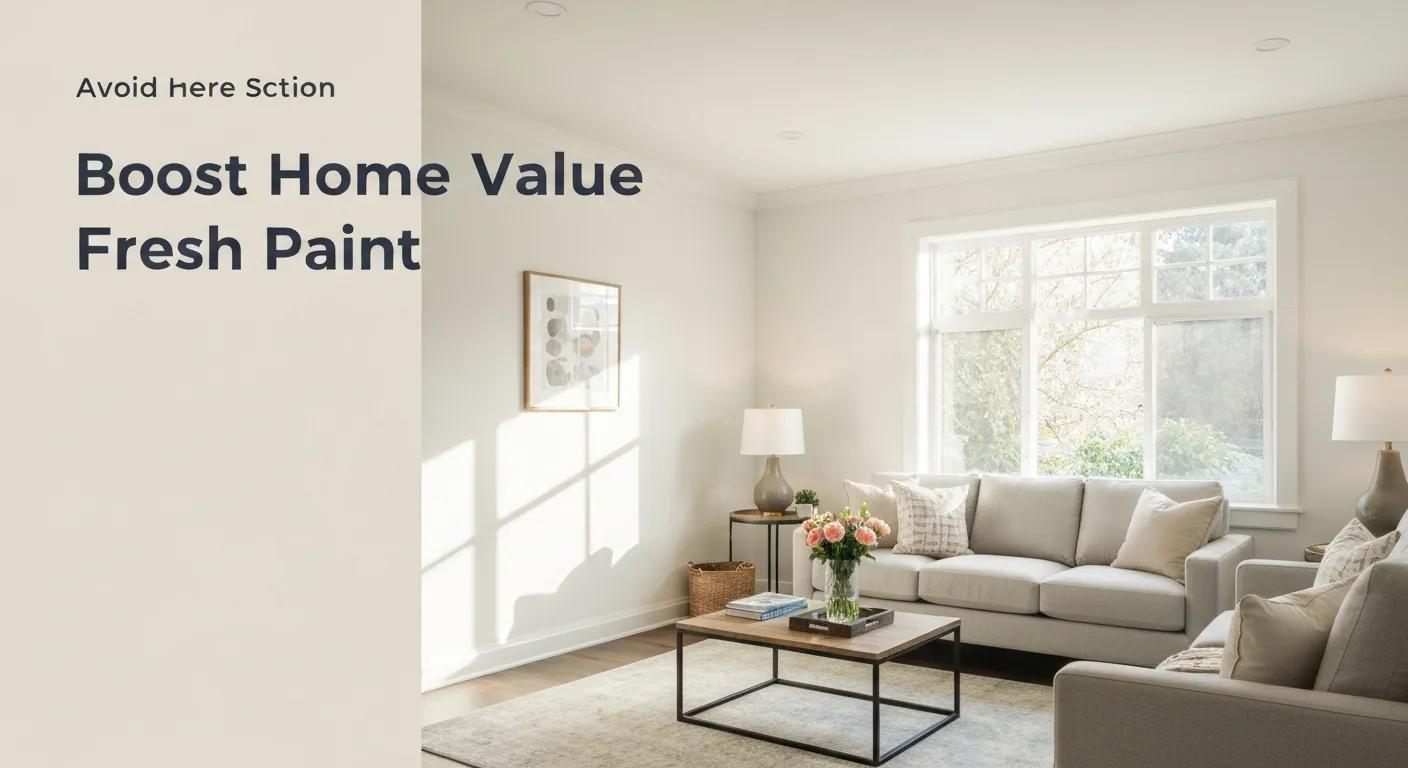
A fresh coat of paint can translate directly into measurable resale value, with local market observations and industry guidance suggesting up to a 10% uplift for well-executed exterior repainting in Durham. Fresh paint works by improving curb appeal, signaling solid maintenance to buyers, and protecting siding and trim from North Carolina weather, which together reduce buyer negotiation leverage and shorten time on market. This article explains how exterior painting increases perceived value, which specific exterior and interior colors resonate with Durham buyers, and what typical Durham painting costs and paint ROI look like in practice. You will also find concrete cost comparisons, color recommendation tables, and a contractor selection checklist designed for Durham homeowners preparing to sell. Read on for localized examples, practical steps, and brief options for getting a free local color consultation or tailored estimate near the end of select sections.
Exterior painting increases home value by improving first impressions and protecting building materials, creating both aesthetic and practical benefits that buyers recognize quickly. The mechanism is straightforward: a neutral, well-applied exterior signals upkeep and reduces the buyer’s perceived cost of deferred maintenance, while high-quality paint and proper prep extend siding life and weather resistance. In Durham’s market, this combination often yields a modest but meaningful price uplift because buyers compare curb appeal across nearby neighborhoods and expect move-in-ready exteriors. Below are common ways repainting translates into market advantage and tangible buyer responses.
Exterior repainting delivers value through visible improvements and preventive maintenance that buyers interpret as lower near-term risk. Understanding these pathways clarifies why repainting is a cost-effective staging tactic in Durham.
Exterior repainting delivers three practical benefits for sellers preparing a listing:
These mechanisms explain why targeted repainting frequently precedes successful local listings and why staging advisors often recommend fresh exterior paint before photography and open houses.
Curb appeal determines many buyers’ initial interest and can materially affect the number of showings a listing receives in neighborhoods like Trinity Park and Old West Durham. A clean, cohesive exterior color scheme signals routine upkeep and aligns buyer expectations for interior condition, which can translate into stronger offers and fewer contingencies. In Durham specifically, buyers comparing walkable, historic neighborhoods put a premium on harmonious palettes that respect architectural style, so paint choices that complement local character tend to perform best. This relationship between curb appeal and buyer interest sets up practical choices about where and how much to invest in repainting.
Research indicates that both a property’s own curb appeal and that of its neighbors can significantly influence a home’s sale price.
Valuing Curb Appeal: How Exterior Appearance Impacts Home Sale Price
We recover the value of curb appeal in residential housing by using photos obtained from Google Street View, a deep learning classification algorithm and a variety of hedonic controls. We show that own property curb appeal is worth about twice that of an across the street neighbor. Together, neighbor and own property curb appeal together may account for up to 7% of a house’s sale price. The curb appeal premium is more pronounced during times of housing market weakness and greater in neighborhoods with high average curb appeal. Results are robust to a variety of spatial controls and curb appeal specifications.
Valuing curb appeal, A Tidwell, 2020
Because curb appeal drives initial buyer engagement, it naturally leads to decisions about color selection and the scope of exterior work; the next section discusses how much value a fresh coat can add.
Exterior paint can add roughly 2% to 10% in perceived value depending on property condition, color choices, and neighborhood expectations, with the high end realized when paint replaces visibly failing finishes rather than masking underlying issues. The variance comes from whether paint is a cosmetic refresh versus a corrective intervention: homes needing siding or trim repairs see less value from paint alone until underlying repairs are addressed. In competitive Durham pockets, a neutral repaint that aligns with architectural style and includes accent door updates can push offers upward and shorten days on market. Sellers should weigh the cost of quality materials and prep against this expected paint ROI when planning improvements.
While weather can influence buyer perception, the impact of temporary weather conditions on house prices is generally small but statistically significant.
Curb Appeal and Weather: Impact on House Prices and Real Estate Value
For decades, economists have examined the myriad variables that affect real estate value, from individual house characteristics to neighborhood amenities. Yet one variable, weather, has attracted little attention thus far. This is true despite widespread agreement that much of a home’s value rests on curb appeal, or how a home looks from the street, which could significantly change based on weather. Given that housing stock is the main store of wealth for many households, it is important to understand what impact climate can have on asset value. I utilize a large data set that comprises 185,000 sales of 96,000 single-family homes to ascertain the effect of various weather conditions on house prices. By using a fixed effects framework that isolates intra-property price changes, time-invariant omitted variable bias is accounted for, and the causal effect of weather on home prices can plausibly be determined. In the winter, the results indicate cold weather is associated with an increase in price. In the summer, precipitation affects price, but the sign and magnitude of the impact depend on the temperature. The magnitudes are small but highly statistically significant. These results show that home buyers and sellers are affected by temporary weather conditions.
Curb appeal: how temporary weather patterns affect house prices, P Gourley, 2021
These ROI considerations feed directly into decisions about color palettes and the specific scope of work to maximize resale outcomes in Durham.
Choosing colors that appeal to a broad set of buyers while honoring local architectural styles maximizes resale potential and supports faster sales in Durham neighborhoods. The best exterior palette tends toward neutrals for the main body with tasteful contrast on trim and an intentional accent door color to create a memorable focal point. Interior palettes that facilitate buyer imagination—soft neutrals in living areas, light blues in baths, and warm off-whites in kitchens—help prospective buyers envision their belongings in the space. Below is a practical list of top exterior and interior choices and why they work for resale in Durham.
Recommended exterior colors for broad appeal and resale advantage include warm whites, light gray-greiges, and soft taupes; accent doors in deep navy, charcoal, or classic red create visual contrast without polarizing buyers. These choices respect both historic homes and contemporary builds across Durham.
These exterior recommendations guide cohesive staging and set up interior palette decisions, which are discussed next.
Neutral body colors with moderate contrast on trim help listings photograph well and attract diverse buyer preferences in Durham’s varied neighborhoods. Warm whites cleanse visual clutter and pair well with brick or stone accents common in Hope Valley and Trinity Park, while greige and light gray maintain modern appeal without feeling stark. Accent door colors like navy or deep charcoal provide a polished focal point that suggests a cared-for entry without alienating conservative buyers. Selecting value-maximizing exterior colors means prioritizing broad appeal and harmony with local streetscapes.
Choosing the right exterior palette prepares buyers to focus on interiors and landscaping rather than unconventional color choices, which supports higher perceived value and quicker offers.
Interior paint choices that emphasize light, neutral backgrounds create a sense of space and allow buyers to visualize personal decor, which improves perceived livability and can increase offers. Soft grays and warm beiges in living areas, light blues in bathrooms, and muted greens in kitchens or breakfast areas work particularly well to suggest cleanliness and calm without imposing strong stylistic signals. Accent walls or trim in deeper, modern neutrals can add perceived quality when used sparingly and consistently. By aligning interior colors with buyer expectations, sellers reduce friction in negotiations related to perceived renovation needs.
These interior strategies help sellers prioritize rooms that yield the highest return on paint investment, such as living rooms, kitchens, and bathrooms.
This color table helps sellers prioritize paint choices that align with buyer psychology and Durham stylistic trends.
Understanding local Durham pricing and the return on investment helps homeowners decide whether to repaint before listing and how much scope to include. Typical cost drivers include square footage, number of stories, siding type, extent of surface prep, and paint quality; higher quality materials and thorough prep increase cost but also improve longevity and perceived value. Below is a comparison table showing average ranges for common project types in Durham and their typical ROI and duration to help you estimate outcomes. After the table, practical notes explain how to balance cost and expected lift.
Properly estimating Durham exterior painting cost supports a calculation of paint ROI and clarifies when paint is a near-term value-add versus when larger repairs should be prioritized.
Introductory table comparing typical Durham project types, costs, ROI, and duration:
This comparison clarifies that exterior projects often deliver higher visible ROI, while interior repainting supports buyer perception and complements staging efforts.
When deciding scope, prioritize exterior repainting and entry updates for highest immediate market impact; if significant siding or structural repairs are required, address those first before cosmetic painting to realize the projected ROI. For sellers ready to act, consider requesting a tailored quote or ROI estimate from local providers — some local painting and staging partners, including Fillo Painting & Exteriors and CertaPro Painters of Durham, may offer complimentary color consultations or estimates to help align scope with expected resale benefit.
Exterior painting costs in Durham vary by house size, siding material, and prep needs, with single-story homes on durable siding at the lower end and multi-story historic homes requiring extensive prep at the upper end. Key cost drivers are height (ladders vs. scaffolding), siding repairs, power washing, and the need to strip or prime damaged areas; each factor raises labor and time requirements. Choosing higher-grade exterior paints from recognized brands typically increases upfront cost but extends life and preserves finish under Durham’s seasonal conditions. Understanding these components lets homeowners compare bids accurately and avoid low-bid pitfalls.
Accurate cost assessment allows sellers to estimate net ROI and decide whether painting is a worthwhile pre-listing investment.
Interior painting typically produces a modest ROI by improving perceived cleanliness and modernity, whereas exterior painting often yields a higher immediate ROI because it affects curb appeal and initial buyer interest. Numerical expectations generally range from about 1–4% uplift for interior work and 2–10% for exterior projects, but actual results depend on local comparables and the match between color choices and neighborhood expectations. Quality of execution matters: thorough prep and premium coatings increase the likelihood that prospective buyers perceive the work as professional and long-lasting. Use these ROI ranges to prioritize repainting tasks relative to other pre-sale investments.
Knowing typical ROI ranges helps sellers allocate renovation budgets strategically before listing.
Selecting the right contractor is as important as choosing colors and scope because workmanship determines whether paint delivers the expected protective and aesthetic benefits. A good contractor provides clear scope documentation, verifies insurance, lists references from local Durham projects, and offers a warranty that covers peeling or adhesion failures tied to workmanship. Evaluating bids should include comparing surface-prep descriptions, brand and sheen of paint specified, and whether the contractor handles minor carpentry or siding repairs. Use the checklist below to compare contractors beyond price and focus on long-term value.
Choosing a contractor who documents prep standards and uses appropriate materials increases the probability that paint ROI materializes when your home sells.
Below is a contractor attribute table to compare key selection criteria and local recommendations:
This comparison helps homeowners evaluate bids on value, not just price, and identifies red flags that undermine long-term results.
What Durham homeowners should check and a practical checklist for selection:
Reviewing these items ensures that your chosen contractor prioritizes longevity and resale value, and it sets expectations for the painting process described next.
Homeowners should prioritize contractors who provide a written estimate with explicit prep steps, paint brand and sheen specifications, a timeline, and a warranty that covers workmanship. Requesting local references and photographic examples from recent Durham jobs helps confirm the contractor’s familiarity with neighborhood styles and challenges like older wood trim or masonry transitions. Red flags include vague scopes, demands for large upfront payments, or refusal to provide insurance certificates. Making these checks reduces the risk of rushed work that undermines paint ROI and resale readiness.
Confirming these contractor attributes prepares homeowners to compare final bids on equivalent scopes rather than price alone.
A reliable painting process begins with a detailed estimate and walk-through, followed by surface preparation (cleaning, scraping, minor repairs), priming where necessary, two finish coats with specified products, and final inspection with touch-ups. Each stage—prep, prime, paint, and inspection—addresses a specific risk: adhesion failure, visible defects, or uneven coverage; thoroughness in these steps correlates with longevity and perceived quality. Homeowners should expect communication about timeline and disruption, and documentation of paint products used. Asking for a final walk-through and punch-list ensures the job meets agreed standards before final payment.
When you understand this process, you can hold contractors accountable for workmanship that protects your paint ROI and supports a stronger sale.
To assess whether your home requires a new paint job, look for signs of wear such as peeling, fading, or discoloration. Additionally, consider the overall curb appeal and how your home compares to others in your neighborhood. If your paint is outdated or does not align with current trends, a fresh coat can enhance visual appeal and attract potential buyers. Consulting with a local real estate agent can also provide insights into market expectations and whether painting is advisable for your specific situation.
One common mistake is selecting overly bold or trendy colors that may not appeal to a broad audience. Homeowners often overlook the importance of harmonizing with the architectural style of their home and the surrounding neighborhood. Additionally, failing to consider the impact of lighting on color perception can lead to unsatisfactory results. It’s advisable to test paint samples in different lighting conditions and seek professional advice to ensure the chosen colors enhance the home’s appeal and resale value.
The duration of the painting process can vary based on several factors, including the size of the home, the number of stories, and the extent of surface preparation required. Generally, an exterior full repaint can take between 3 to 7 days, while interior projects may range from 1 to 8 days depending on the scope. It’s essential to discuss timelines with your contractor to set realistic expectations and ensure that the painting is completed before listing your home for sale.
In Durham, the best times for exterior painting are typically in the spring and fall when temperatures are moderate and humidity levels are lower. These conditions allow for optimal paint adhesion and drying times. Avoid painting during extreme heat or cold, as these can negatively affect the paint’s performance. Planning your painting project during these ideal seasons can enhance the quality of the work and ensure a more durable finish.
When interviewing potential painting contractors, ask about their experience with similar projects, references from past clients, and their process for surface preparation. Inquire about the types of paint they recommend and whether they provide a warranty for their work. It’s also important to discuss the timeline for completion and how they handle unexpected issues that may arise during the project. A thorough understanding of their approach will help ensure you choose a contractor who aligns with your expectations for quality and service.
To maximize ROI from your painting project, focus on using high-quality materials and professional techniques that enhance durability and appearance. Choose neutral colors that appeal to a wide range of buyers and align with local architectural styles. Prioritize exterior painting, as it significantly impacts curb appeal and first impressions. Additionally, ensure that any necessary repairs are completed before painting, as this will prevent issues that could detract from the perceived value of your home.
Hiring a professional painter offers several advantages over a DIY approach. Professionals bring expertise in surface preparation, paint application, and color selection, ensuring a high-quality finish that enhances your home’s appeal. They also have access to better materials and tools, which can lead to longer-lasting results. Additionally, professionals can save you time and effort, allowing you to focus on other aspects of preparing your home for sale. Ultimately, their experience can help maximize your investment and minimize potential issues.
Investing in a fresh coat of paint can significantly enhance your home’s value and curb appeal, making it more attractive to potential buyers. By choosing the right colors and ensuring quality workmanship, you can create a lasting impression that resonates with Durham’s market expectations. Don’t miss the opportunity to elevate your property’s appeal—consider reaching out for a tailored quote or consultation today. Start your journey towards a successful sale by exploring local painting services that can help you maximize your investment.