
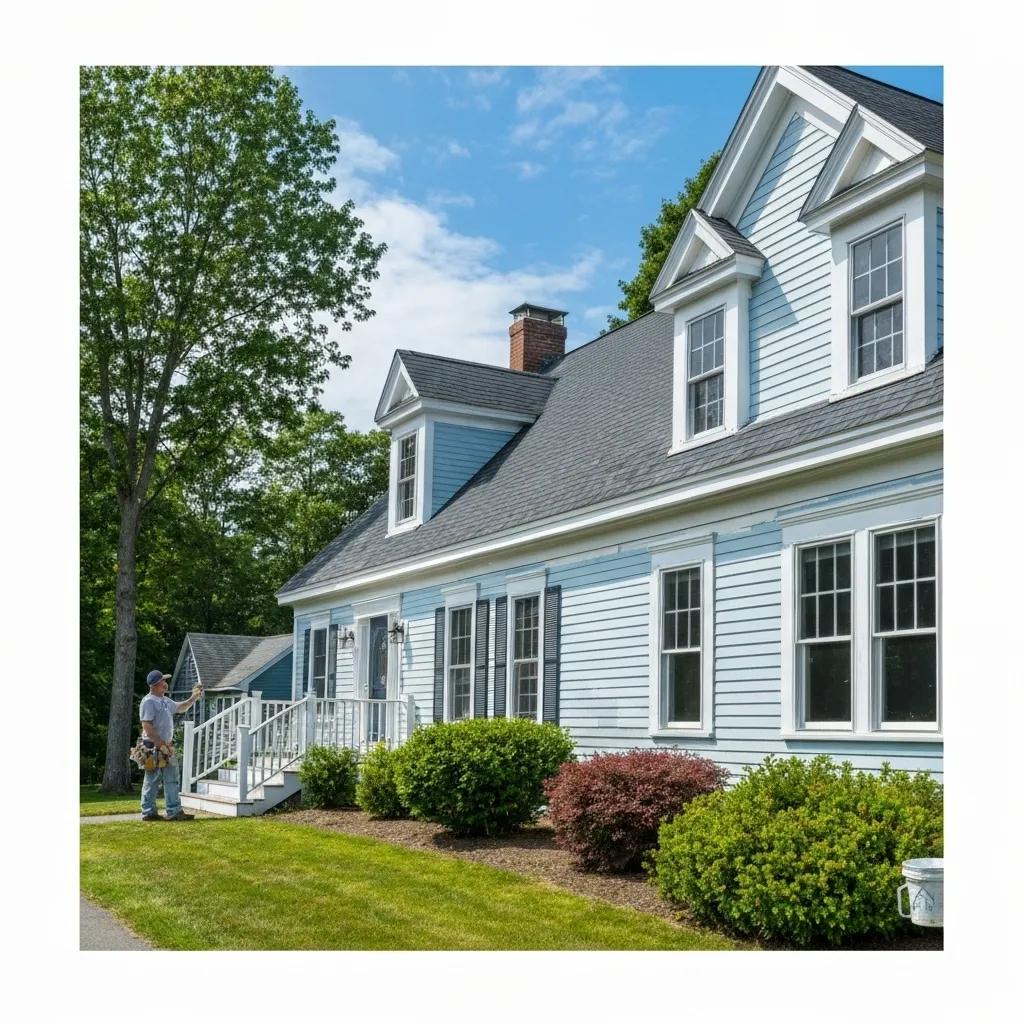
Exterior painting in Dover, NH depends on local temperature swings, humidity levels, precipitation patterns, and seasonal shifts—all factors that impact paint adhesion, drying time, and long-term durability. Homeowners often face peeling, cracking, or uneven finishes when weather variables aren’t managed, but understanding these influences unlocks professional-grade results. This guide covers:
With this roadmap, you’ll optimize your exterior house painting services for stability, aesthetic appeal, and lasting protection against New Hampshire’s weather extremes.
Exterior painting performs best when surface and air temperatures remain moderate enough to allow proper film formation and curing. The critical range of 50 °F to 85 °F ensures that paint cures without rushing or stalling, promoting strong adhesion and a uniform finish. For homeowners, targeting this window reduces the risk of bubble formation, uneven gloss, and premature wear.
Below is a comparison of common paint types and their optimal application ranges for Dover’s climate:
These temperature guidelines support steady solvent evaporation and cross-linking reactions, leading to stronger film integrity. Understanding these thresholds prepares you to schedule work when Dover’s daily highs and lows stay within these limits.
Research indicates that environmental factors such as temperature and humidity significantly influence the drying and film formation of waterborne paint products. These elements are crucial for achieving optimal drying percentages and ensuring the long-term durability of the coating, with varying seasonal conditions presenting distinct challenges.
This research supports the article’s detailed discussion on how temperature and humidity affect paint drying, adhesion, and overall project outcomes, particularly for latex (waterborne) paints.
This research supports the article’s detailed discussion on how temperature and humidity affect paint drying, adhesion, and overall project outcomes, particularly for latex (waterborne) paints.
Cold weather slows solvent evaporation and reduces the chemical reactions that lock paint to surfaces. As a result:
When autumn evenings dip below 50 °F before paint has set, condensation can also form, further compromising bond strength. Planning around cold snaps ensures each coat cures properly before temperature drops interrupt the process.
High heat accelerates solvent release and surface drying, which can:
Painting during peak July afternoons in Dover often leads to subpar film formation. Opting for early-morning starts or late-afternoon sessions helps avoid extremes and maintains optimal film build.
Dover’s summer nights can fall into the 50 °F range, interrupting ongoing curing reactions. When temperatures dip before full cross-linking:
Shielding fresh paint from dew and low overnight temperatures—by using breathable covers or ensuring application windows align with stable forecasts—prevents these issues and maintains film integrity.
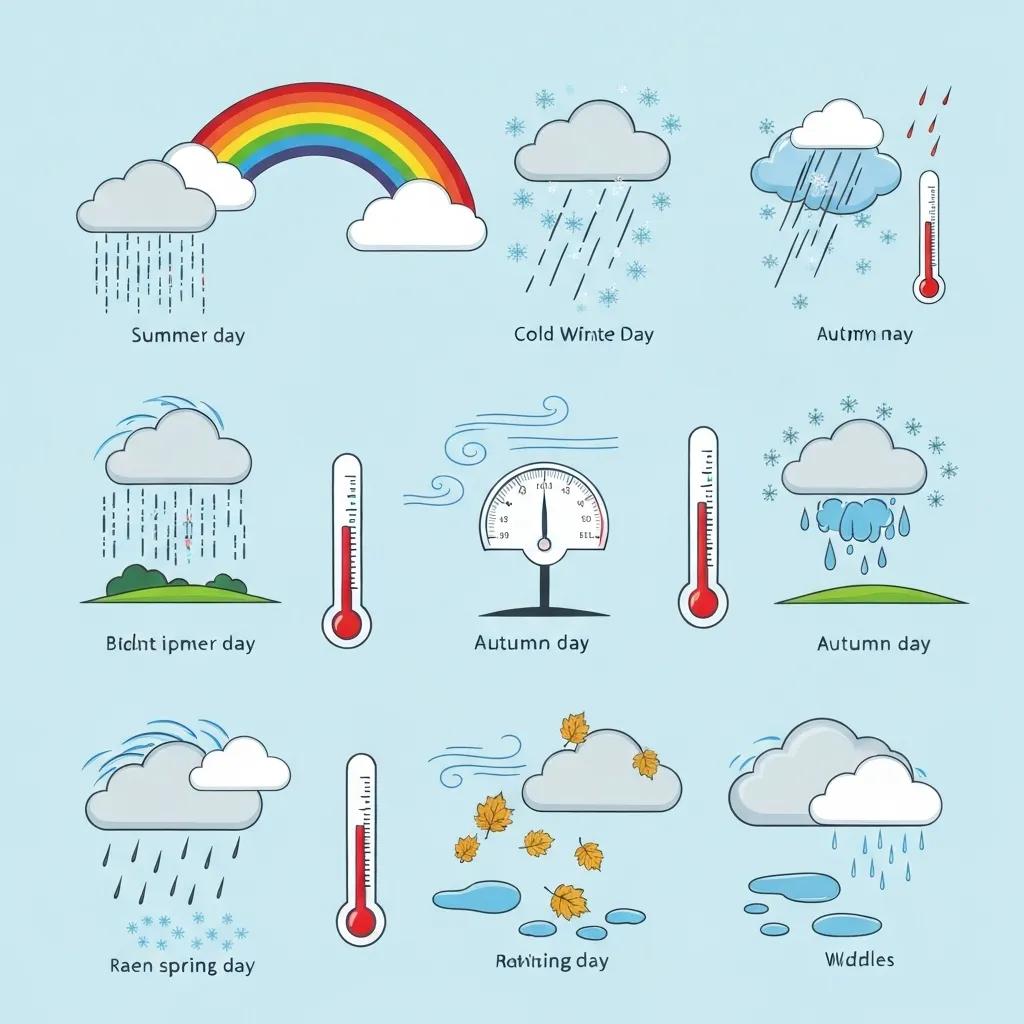
Humidity levels dictate solvent evaporation rates and moisture intrusion, both central to a robust exterior finish. Relative humidity between 40% and 70% creates a balanced environment where paint dries predictably without trapping moisture or curing too quickly. Recognizing dew point and precipitation patterns in Dover safeguards adhesion and long-term performance.
Dew point is the temperature at which air becomes fully saturated and water condenses. When surface temperature approaches the dew point:
Monitoring Dover’s dew point forecast ensures application begins and ends with at least a 5 °F buffer, preventing moisture-related adhesion failures.
Industry guidelines emphasize the importance of surface temperature relative to the dew point for successful exterior painting. It is recommended that the surface temperature be at least 5 degrees Celsius (9 degrees Fahrenheit) above the dew point to prevent condensation, which can compromise paint adhesion and lead to defects.
This guideline directly supports the article’s section on dew point considerations and its influence on paint adhesion, providing a critical buffer for application.
This guideline directly supports the article’s section on dew point considerations and its influence on paint adhesion, providing a critical buffer for application.
High humidity during Dover’s summer months can slow curing and encourage mildew growth on wet or tacky surfaces:
Managing work during more moderate humidity days—often found in late spring and early fall—keeps finishing times consistent and film properties intact.
When humidity dips below 30%, solvent molecules escape too rapidly, causing:
Balancing solvent blends or employing paint conditioners helps maintain film flexibility in especially dry spring or winter air.
Dover’s exposed seacoast location often brings sudden showers or snow squalls. Painting should be postponed when:
Waiting for a clear weather window avoids blistering, streaking, and premature peeling caused by water intrusion.
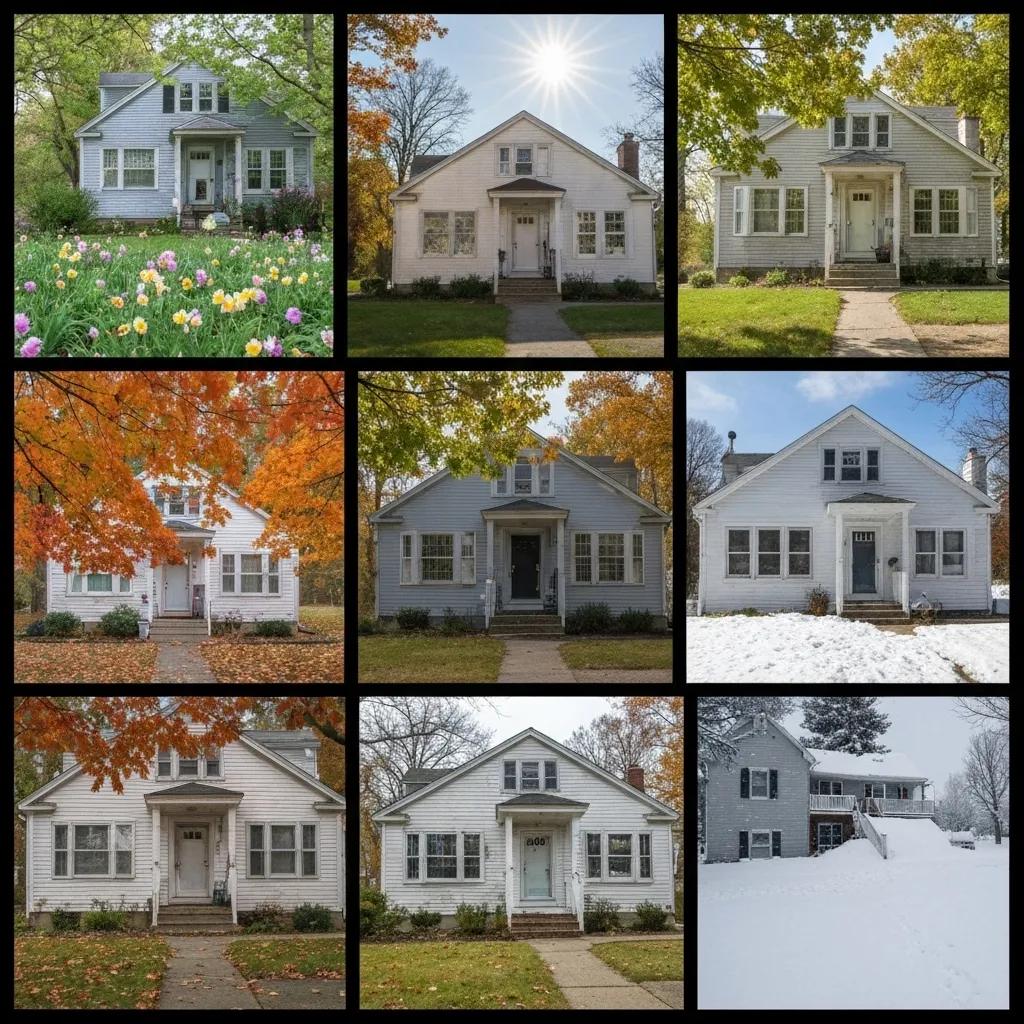
Seasonal timing aligns project windows with the most stable weather conditions, ensuring each coat cures correctly and delivers long-lasting protection. Dover’s mild late spring and crisp fall months often provide the ideal combination of temperature, humidity, and low precipitation.
Spring offers warming days and longer daylight hours, but variable rainfall can present challenges:
By planning around reliable dry spells and monitoring long-range forecasts, spring becomes a highly productive painting season.
Managing summer projects in Dover calls for strategic timing and material choices:
These practices maintain quality even when July brings high temperatures and muggy air.
Fall’s crisp afternoons and lower humidity create an ideal curing environment:
Completing painting in September or early October allows full curing before freeze-thaw cycles begin.
Yes, winter painting can succeed by using low-temperature formulations and proper surface preparation:
Specialized additives boost film formation at lower temperatures, but strong surface preparation and moisture checks remain critical to avoid bond failures.
Selecting paints engineered for Dover’s variable climate is key to a finish that endures sun, wind, rain, and frost. Choosing products with proven resistance to temperature swings and moisture intrusion promotes a resilient exterior that retains color and protection.
Key performance distinctions make each paint type suitable for specific conditions:
Matching substrate needs with environmental demands yields the best long-term results.
Using advanced coatings enhances durability in Dover’s climate:
These options safeguard against blistering, peeling, and mildew under harsh coastal conditions.
Primer and thorough preparation create a uniform, receptive substrate that maximizes adhesion and weatherproofing. Proper steps include:
Investing in these foundational measures enhances the subsequent topcoat’s performance and longevity.
Dover’s coastal exposure and seasonal extremes often lead to visible finish failures. Recognizing symptoms early enables timely repairs and prevents more extensive damage.
Homeowners will observe:
Restoring a damaged finish involves:
These steps restore protective coatings and extend the life of your exterior surfaces.
Engaging a professional is wise when:
HandyMastersNH.com’s skilled technicians evaluate conditions, recommend tailored solutions, and deliver long-lasting results.
HandyMastersNH.com combines local climate expertise, quality materials, and strategic scheduling to safeguard every project against Dover’s shifting weather patterns. Our approach integrates proactive planning, advanced coatings, and thorough preparation to enhance adhesion, curb moisture intrusion, and ensure vibrant, durable finishes.
With years of service in the Seacoast area, our team understands micro-climate variations in Dover—from coastal breezes to inland frost pockets—and selects appropriate paint systems and timing windows for each unique site.
Our commitment to quality involves:
These measures enhance film strength and prolong exterior life spans.
By leveraging detailed local forecasts, we schedule work to coincide with optimal temperature and humidity windows, avoid rain and dew threats, and adjust plans in real time. This dynamic scheduling prevents costly rework and ensures each coat cures under ideal conditions.
Beyond finish coatings, HandyMastersNH.com offers:
Home and business owners often seek concise guidance on timing, drying windows, and weather risks. Summarizing these key points ensures you plan confidently and avoid common pitfalls.
Maintaining temperatures between 50 °F and 85 °F lets paint films form properly; specialized low-temp formulas can extend the safe range down to 35 °F without sacrificing adhesion.
Latex paints typically require 2–4 hours of dry time before light rain, while oil-based coatings need a full 24 hours to develop water resistance; always confirm with product specifications.
Yes, but high humidity slows curing and may produce blotches or sagging; using fast-dry primers and scheduling on drier days within the 40%–70% humidity range ensures consistent results.
Applying paint below recommended temperatures halts curing reactions, causing poor film formation, cracking, or peeling; low-temperature formulations and tight moisture control are essential for winter work.
Exterior painting in Dover’s climate requires precise control of temperature, humidity, and scheduling to achieve lasting protection and beauty. By aligning your project with local weather insights, seasonally tuned materials, and professional practices from HandyMastersNH.com, you’ll secure a finish that weathers New Hampshire’s extremes with strength and style. Ready to transform your home’s exterior and safeguard it against the elements? Contact HandyMastersNH.com today to request your free estimate.