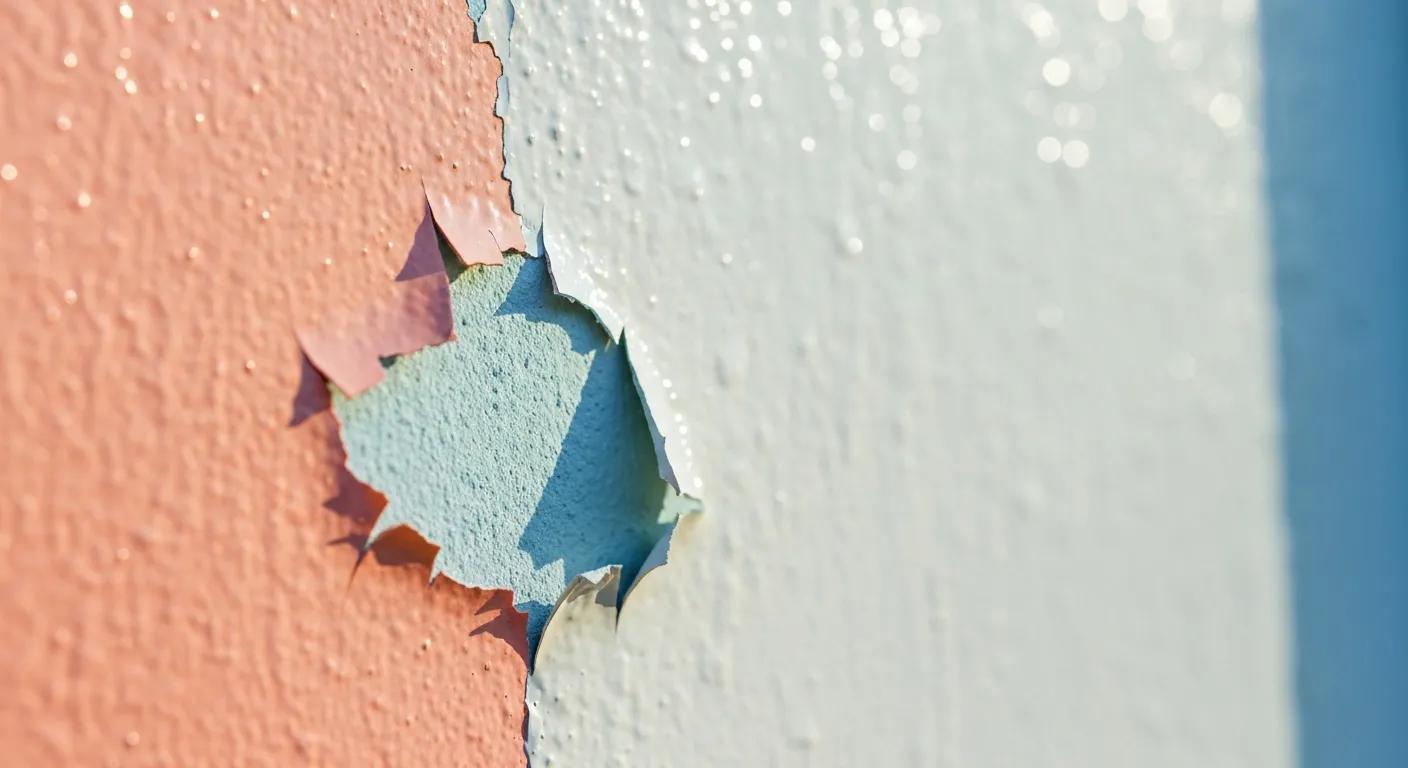
Paint peeling on exterior walls is often the visible end of a long chain of substrate, moisture, and adhesion failures, and focused preparation work can reduce peeling incidence by roughly 40% in Dover, NH when applied consistently. This article explains why peeling happens in Dover’s climate, how surface preparation changes the mechanics of adhesion, the essential step-by-step exterior prep actions homeowners should expect, and the moisture-control tactics that extend paint life. Readers will get a behind-the-scenes look at cleaning, scraping, sanding, priming, and sealing, plus comparisons of primer choices and moisture-source remedies tailored to local conditions. The guide also describes professional-grade tools and QA checks used by Dover contractors and offers concise, actionable checks homeowners can run before a paint crew arrives. By the end you will understand practical causes, prioritized prep steps, and where professional assessment can most effectively convert prep into long-term value for Dover homes.
Paint peeling in Dover, NH is a failure of adhesion caused by environmental stressors and substrate problems; targeted prep work interrupts the failure chain by removing contaminants, stabilizing substrates, and creating mechanical and chemical bonds that last. The mechanism is straightforward: adhesion requires a clean, dry, mechanically keyed surface plus compatible coating chemistry, so prep actions increase bond strength and reduce blistering and delamination. In Dover, seasonal humidity, freeze–thaw cycles, and high UV exposure accelerate film embrittlement and amplify small adhesion flaws into visible peeling. Properly executed prep — cleaning, scraping, targeted repairs, and priming — directly counters these causes and is responsible for measurable reductions in peeling over multi-year cycles.
Many peeling problems in Dover trace to a handful of local-relevant causes that interact over time and produce visible failure on siding and trim. Moisture ingress from roof or flashing defects, condensation trapped against sheathing, and poor drainage create conditions where paint blisters and loses adhesion. Seasonal temperature swings and ultraviolet radiation reduce film elasticity and cause micro-cracking that lets water penetrate. Finally, poor surface prep or incompatible existing coatings prevent new paint from bonding; these application errors compound the environmental stresses and shorten service life.
These causes suggest a simple prevention hierarchy: stop water, fix chemistry mismatches, then create the right mechanical key and barrier through prep and priming, which is the topic we cover next.
Proper surface preparation reduces peeling by improving adhesion mechanics and eliminating the environmental entry points that trigger failure, delivering a practical reduction in peel events when executed as a whole-system protocol. Removing loose coating and contaminants gives primer and paint direct contact with sound substrate, while sanding and mechanical keying increase surface area and mechanical interlock. Priming establishes chemical compatibility and seals porous materials, blocking stains and tannin bleed that later force delamination. Together these steps change the failure mode from sudden peeling to gradual, predictable wear—field observations in similar climates show consistent, quantifiable reductions in peeling frequency when a standardized prep protocol is followed.
Wood Surface Degradation and Primer Adhesion Under Weathering
The adhesion of exterior acrylic primers decreased on weathered wood surfaces and was significantly lower on specimens that were weathered for 5 to 10 days. An oil-modified primer showed greater adhesion to weathered wood surfaces. Primer adhesion was lower on weathered radial surfaces than on similarly exposed tangential surfaces. The practical implications of these findings for the coating of exterior wood with acrylic latex primers are discussed briefly.
Degradation of wood surfaces during natural weathering. Effects on lignin and cellulose and on the adhesion of acrylic latex primers, PD Evans, 1996
Essential exterior prep follows a predictable sequence that prioritizes surface assessment, contaminant removal, substrate repair, and correct priming so that topcoats bond and perform. The process begins with inspection and moisture checks, proceeds to cleaning and removal of loose material, continues with repairs and caulking, and ends with priming and final quality checks. Each step reduces one of the common failure mechanisms and together they form the practical backbone of a long-lasting exterior finish. Below are the core steps, with brief rationale and what homeowners should expect from each action.
These steps form an ordered workflow that turns a reactive repaint into a preventive restoration; when professionals execute them consistently, paint failures drop substantially and coating lifespans extend.
This comparison clarifies why skipping or shortcutting any single phase reduces overall performance: the steps are complementary and cumulative.
Cleaning eliminates microscopic and visible contaminants—salt, mildew, dirt—that inhibit primer contact and create localized detachments after exposure to moisture and freeze–thaw cycles. Pressure washing at controlled settings removes biofilms and salts but must be followed by adequate drying to avoid painting on damp substrates. Scraping eliminates unstable coating layers so primer bonds to sound material and sanding creates micro-roughness for mechanical keying, which is essential for long-term adhesion. Together these mechanical and chemical preparation actions change the substrate from a variable surface into one that consistently accepts primer and topcoat, making peeling far less likely.
Priming provides a chemical and physical intermediary between substrate and finish coat that equalizes porosity, blocks stains, and ensures compatibility between layers, which reduces the chance of adhesion failure and peeling in Dover’s variable climate. Different primer types—bonding primers for slick surfaces, stain-blocking primers for tannin-prone wood, and exterior-graded latex or alkyd primers for mixed substrates—address specific problems and should be selected based on substrate assessment. Proper dry times and appropriate primer-to-topcoat compatibility prevent later film separation and blistering; skipping a primer or using the wrong type is a common contributor to early failure. Choosing the correct primer is therefore a risk-management decision that materially affects long-term coating performance.
Selecting primers with the right attributes for the surface reduces the probability of future peeling and supports the overall 40% improvement observed when prep is done comprehensively.
Moisture control addresses the root environmental driver of many coating failures by eliminating water entry, improving drying conditions, and reducing trapped humidity behind cladding; this directly preserves adhesion and prevents blistering. In Dover, common moisture sources include roof and flashing leaks, clogged gutters that hold water against siding, and indoor condensation that migrates into cavities. Addressing these sources through prioritized repairs and ventilation improvements stops recurring wetting cycles that degrade paint films. Implementing moisture-control measures before repainting converts a short-lived cosmetic job into a durable preservation project.
Homeowners should check a handful of common moisture contributors that are especially relevant in Dover’s climate, because seasonal storms and winter freeze–thaw cycles can exacerbate small defects into chronic wetting. Roof and flashing leaks allow continuous water ingress behind cladding, while blocked gutters and poor grading cause water to pond at foundations and splash back onto siding. Condensation from inadequate attic ventilation or high indoor humidity can migrate into exterior assemblies and keep sheathing damp. Systematically inspecting these potential sources and addressing them reduces substrate wetness and the likelihood of future peeling.
Checking and fixing these items before painting is a high-leverage activity that supports long-term coating performance.
Effective moisture control combines immediate repairs with preventive upgrades that lower interior and exterior wetting cycles and improve drying capacity for assemblies. Immediate actions include fixing active leaks, clearing and repairing gutters, and sealing flashing transitions to stop current water intrusion. Preventive measures include improving attic ventilation and insulation to reduce condensation, grading adjustments and drainage improvements to divert water, and applying proper sealants or vapor-control layers where appropriate. Prioritizing quick fixes that stop active leaks while scheduling preventive upgrades yields the best balance of near-term protection and long-term resilience.
This mapping helps homeowners prioritize repair activities that most directly reduce paint failure risk and improve the durability of a repaint.
Professional Dover painters combine inspection protocols, calibrated equipment, and standardized QA checks to convert the prep sequence into consistent outcomes that reduce peeling by an estimated 40% compared with ad hoc approaches. Key actions include pre-paint moisture measurement, commercial-grade pressure washing and containment, mechanical surface preparation, selection of compatible primers and topcoats, and documented checklist sign-offs prior to coating. These measured controls lower the risk of human error and help ensure that environmental and substrate issues identified during inspection are resolved before finishing. The professional approach therefore turns individual best practices into a reliable, auditable process that produces longer-lasting results.
These professional techniques are what distinguish durable paint work from cosmetic touch-ups and are the operational basis for documented longevity improvements.
Professionals rely on tools and methods that reduce variability and measure conditions rather than guessing, which directly improves adhesion outcomes and coating longevity. Calibrated moisture meters confirm acceptable substrate dryness; commercial pressure washers remove salts and mildew to a consistent standard; pneumatic or orbital sanders provide uniform feathering and profile on old coatings; and spot-priming systems ensure patched or porous areas are sealed before finish coats. Together these tools and techniques produce repeatable surface conditions that promote stronger chemical and mechanical bonds for primers and topcoats.
Condensed field examples from Dover-area projects show that when the full prep protocol is followed—inspection, moisture control, cleaning, mechanical prep, and correct priming—repainted surfaces experience significantly fewer peel events over multi-year follow-ups. One representative case involved siding with chronic blistering where roof repairs, gutter clearing, complete scraping, and targeted priming were performed; follow-up inspections over subsequent seasons showed far fewer failures and visible adhesion problems. These outcome patterns are consistent with the quantified claim: comprehensive, climate-informed prep work yields a roughly 40% reduction in peeling compared to cosmetic-only repainting approaches.
For homeowners in Dover seeking to convert this guidance into action, local professional paint-prep specialists focus precisely on the inspection, moisture-control, and prep steps described above and can perform a targeted assessment to show where attention will most reduce future peeling. Requesting a local prep assessment connects the homeowner’s observed problems with a prioritized list of repairs and prep tasks that deliver measurable longevity gains.
Local specialists in Dover make it straightforward to schedule a prep assessment and estimate so you can compare the cost of thorough preparation versus repeated premature repainting. A brief professional inspection typically identifies the highest-leverage fixes—leaks, drainage, or priming mismatches—and provides a prioritized plan to protect your exterior finish investment.
For a no-obligation inspection or estimate specific to Dover conditions, consider requesting a local prep assessment to see which targeted repairs and prep protocols will most effectively reduce peeling and extend your paint’s lifespan. This inspection-focused approach helps homeowners convert the technical steps in this guide into measurable, long-term value for their properties.
Hiring professional painters for exterior prep work offers several advantages, including expertise in identifying underlying issues that may cause paint failure, such as moisture problems and substrate damage. Professionals use calibrated tools to ensure proper moisture levels and employ high-quality equipment for cleaning and surface preparation. Their experience allows them to follow standardized protocols that significantly reduce the risk of peeling, ensuring a longer-lasting finish. Additionally, professionals can provide tailored solutions based on local climate conditions, ultimately saving homeowners time and money in the long run.
Homeowners should inspect their home’s exterior at least once a year, ideally in the spring or fall, to catch any potential paint issues early. During these inspections, look for signs of peeling, blistering, or discoloration, as well as moisture-related problems like leaks or drainage issues. Regular inspections help identify minor issues before they escalate into major repairs, allowing for timely maintenance and preserving the integrity of the paint job. Additionally, after severe weather events, it’s wise to conduct a thorough check to ensure no new damage has occurred.
While homeowners can perform some exterior paint prep tasks themselves, such as cleaning and minor repairs, hiring a professional is often recommended for more complex tasks. Professionals have the experience and tools necessary to ensure thorough surface preparation, including moisture testing, proper sanding, and priming. They can also identify hidden issues that may not be apparent to an untrained eye. If you are comfortable with DIY projects and have the right tools, you can handle basic prep, but for optimal results and longevity, professional assistance is advisable.
The best type of primer depends on the surface being painted. For bare wood or porous siding, an exterior latex or oil-based primer is ideal as it seals the surface and prevents tannin migration. For previously glossy surfaces, a bonding primer is recommended to enhance adhesion. Stain-blocking primers are best for stained or patched areas to prevent discoloration and bleed-through. Choosing the right primer is crucial for ensuring compatibility with the topcoat and enhancing the overall durability of the paint job.
Improving moisture control around your home involves several proactive measures. Start by ensuring that gutters are clean and functioning properly to direct water away from the foundation. Check for and repair any roof or flashing leaks that could allow water to enter. Additionally, consider grading adjustments to ensure proper drainage away from the house. Improving attic ventilation can also help reduce condensation issues. By addressing these moisture sources, you can significantly enhance the longevity of your exterior paint and prevent peeling.
If you notice peeling paint, it’s essential to address the issue promptly to prevent further damage. Start by identifying the underlying cause, such as moisture ingress or poor surface preparation. Remove the peeling paint using scraping or sanding techniques, and ensure the surface is clean and dry before repainting. If moisture issues are present, fix leaks or drainage problems before applying new paint. Consider consulting a professional for a thorough assessment and to ensure that the necessary prep work is done correctly to prevent future peeling.
Reducing paint peeling by 40% is achievable through meticulous surface preparation and moisture control, ensuring long-lasting results for Dover homes. By understanding the causes of peeling and implementing targeted strategies, homeowners can significantly enhance the durability of their exterior finishes. Engaging local professionals for a thorough prep assessment can provide tailored solutions that address specific issues and extend paint life. Take the first step towards preserving your investment by scheduling a no-obligation inspection today.