
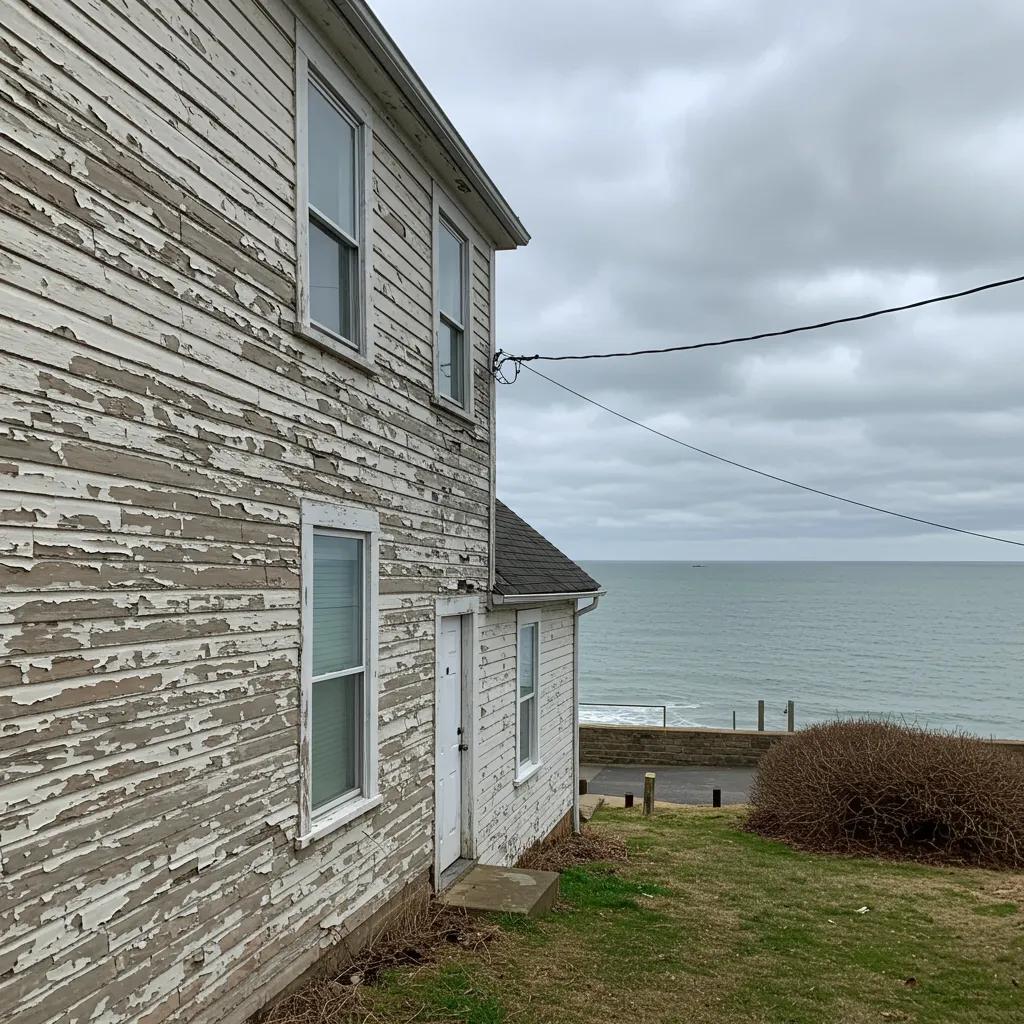
Portsmouth’s coastal setting accelerates exterior paint failure through a predictable mix of humidity, salt air, UV exposure, and temperature swings. This article explains why those forces matter and how homeowners can respond. You will learn the primary environmental drivers behind accelerated paint degradation in Portsmouth, how to identify peeling, blistering, chalking, and fading, which materials and primers resist coastal damage, and practical surface-prep and maintenance steps that extend paint life. The discussion combines technical mechanisms (how moisture and salt undermine adhesion), homeowner-level diagnostics (what to look for and when to intervene), and local best practices tailored to Seacoast NH building materials and exposure patterns. Read on for clear, actionable checklists, comparison tables of coatings and preparation methods, and guidance on when to bring a professional for your exterior painting needs. This guide uses coastal humidity effects, saltwater damage, and UV-resistant paint concepts to prioritize repairs that protect both historic clapboard and modern siding in Portsmouth neighborhoods.
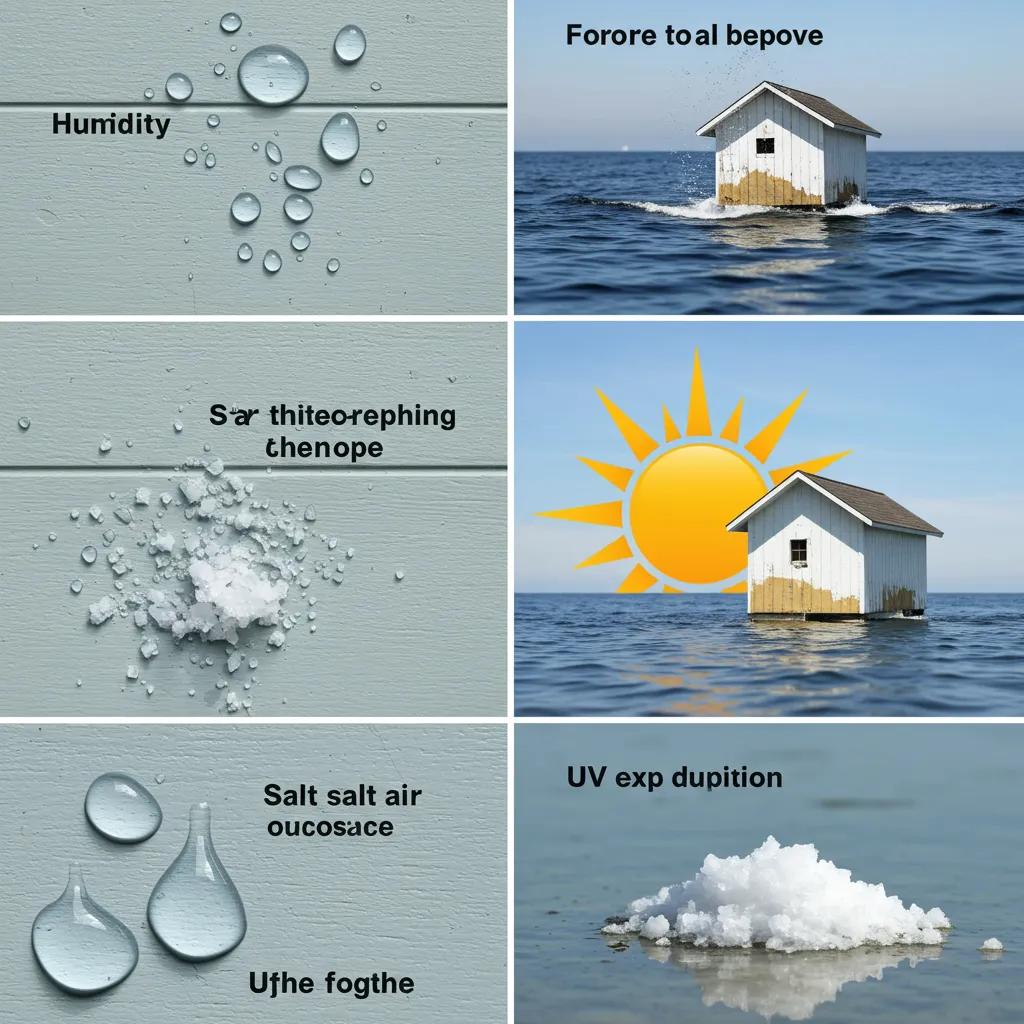
Exterior paint fails faster on Portsmouth homes because environmental drivers actively attack adhesion, resin stability, and substrate integrity; moisture intrusion, salt deposition, ultraviolet breakdown, and thermal cycling each degrade the paint film in different ways. Moisture raises substrate moisture content and can trap water under coatings, which causes loss of adhesion and blistering. Salt deposits attract and hold moisture, supporting corrosion and chemical attack on metal and cut fibers in wood, while UV radiation breaks polymer chains in binders leading to chalking and color loss. Temperature swings cause repeated expansion and contraction of materials, generating mechanical stress that opens cracks and undermines flexible topcoats. Together these mechanisms interact: salt-laden moisture plus strong UV accelerates chemical and physical breakdown that manifests as peeling and surface powdering.
This list highlights the principal causes Portsmouth homeowners should monitor and why they matter:
Understanding these drivers clarifies why localized, technique-focused prevention matters; the next sections unpack humidity and salt mechanisms in more detail and then show how surface preparation interrupts these damage pathways.
Coastal humidity increases the vapor pressure differential across cladding, so substrates like wood and masonry absorb moisture during fog, rain, or overnight marine layers and then hold that moisture beneath a painted surface. Trapped moisture reduces the mechanical bond between paint film and substrate, allowing microscopic separations that grow into bubbles and blisters as trapped vapor expands when temperatures rise. Early signs include soft spots, bubbling under the finish, and dark staining beneath paint layers; tactile checks (pressing gently) can reveal weakened adhesion before large-scale peeling occurs. Detecting rising substrate moisture and addressing ventilation or drainage is a preventive step that reduces the likelihood of future blistering and peeling.
Recognizing humidity-driven failures leads directly to targeted remediation steps such as controlled drying, source moisture repair, and selecting moisture-tolerant primers that form a proper barrier before topcoating.
Salt carried in maritime aerosols deposits minute crystalline residues on siding and trim; those salts are hygroscopic, meaning they attract and retain water even when ambient humidity drops, which keeps substrates persistently damp. Chloride salts also promote corrosion on metal fasteners, flashing, and trim returns, and the combination of corrosion and retained moisture undermines paint adhesion at fastener points and seams. Mechanical abrasion from salt crystals and windblown particles accelerates surface wear, while chemical interactions can alter the substrate’s pH and bonding characteristics. The practical mitigation is regular pressure washing of exposed surfaces, attention to metal flashings and fasteners, and the use of salt-tolerant primers and coatings that resist chloride-driven degradation.
Regular cleaning and protective coatings reduce the salt load and its hygroscopic effect, which significantly lowers the pace of paint film breakdown in coastal settings.
Performance and Durability of Exterior Paints in Marine Environments
The practice of painting buildings predates recorded civilization. Historically, its primary function was to enhance the aesthetic appeal of the built environment. It also served as a marker of societal advancement, taste, and prevailing fashion trends. However, contemporary research indicates
Performance and resistance of paint used as exterior finish in salt laden environment, M Hamdan Ahmad, 2013
Exterior paint failure shows specific, diagnosable patterns—peeling, blistering, chalking, fading, and cracking—each signaling different underlying problems and requiring distinct responses. Peeling usually indicates adhesion failure often caused by trapped moisture or incompatible coatings. Blistering is a sign of subsurface vapor pressure or solvent entrapment. Chalking results from the breakdown of binders under UV, leaving a powdery residue that reduces gloss and can be easily wiped away. Fading and pigment loss indicate photochemical degradation and often a need for UV-resistant pigments and binders. Cracking or checking suggests mechanical stress from thermal cycling or a brittle coating that lacks flexibility for the local climate.
Homeowners can use the following diagnostic cues as a quick triage:
After identification, document the extent of damage, note exposed substrates and nearby moisture sources, and use that assessment to decide on DIY versus professional intervention.
Visual and tactile inspection separates these failure modes quickly: peeling pulls away in sheets, blistering raises the film, and chalking leaves residue when rubbed with a glove or cloth. A simple surface test is to rub a clean white glove over a few square inches; significant white residue indicates chalking and binder degradation, whereas if paint flakes come off it indicates adhesion loss and likely peeling. Look for patterns—peeling concentrated under eaves often signals moisture ingress at flashing or gutters, while uniform chalking on southern exposures points to UV breakdown. Photograph and map affected areas to plan repairs and prioritize sections that expose raw substrate or structural elements.
Recording the pattern and likely cause helps prioritize whether sanding and spot-priming will suffice or whether full replacement and specialty coatings are needed.
UV radiation drives photochemical reactions that break polymer chains in paint binders, causing gloss loss, pigment fading, and an abrasive chalking layer on surfaces exposed to sun and reflective water. Over time, UV exposure reduces film cohesion and increases surface porosity, which then accelerates moisture uptake and further chemical attack. High-exposure surfaces such as south- and west-facing walls, dormers, and rooftop façades show faster degradation and typically require more frequent recoating or pigment choices with higher lightfastness. Modern UV-resistant formulations include stabilizers and pigment choices that slow photodegradation, but correct film thickness and maintenance washing remain essential to maximize their lifespan.
Combining UV-stable pigments with good surface prep and periodic cleaning reduces the chance that photochemical damage will cascade into adhesion or moisture problems later.
Corrosion and Weathering of Paints for Atmospheric Control
Three laboratory-based accelerated corrosion tests were investigated to develop improved procedures for assessing the corrosion protection properties of organic paint films. The methods investigated were: standard salt-spray (ASTM Standard B-117) and a wet/dry cycle corrosion test using a low-concentration ammonium sulfate/sodium chloride [(NH4)2SO4/NaCl] solution.
Corrosion and weathering of paints for atmospheric corrosion control, 1993
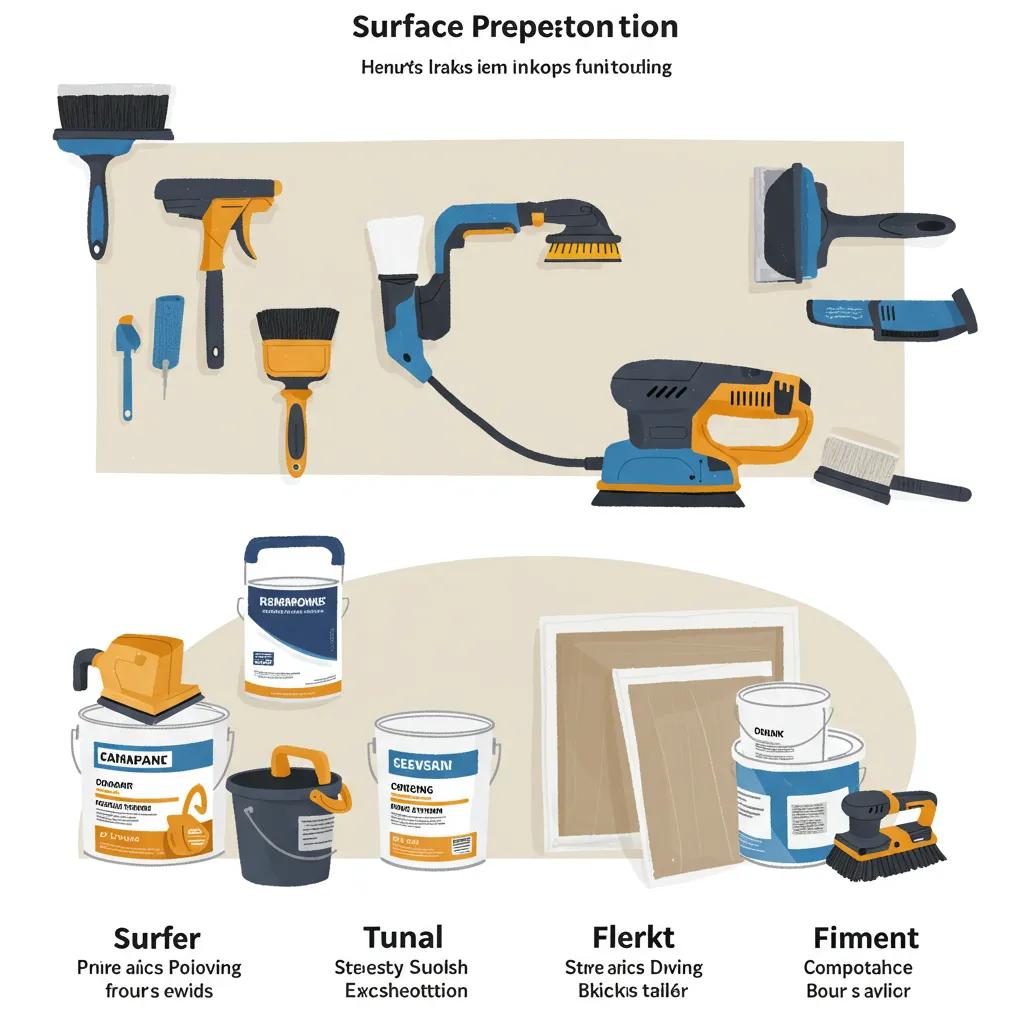
Proper surface preparation is the most effective preventive measure because it directly addresses adhesion, contaminant removal, and substrate stabilization—the key factors that coastal drivers exploit to cause failure. Cleaning removes salt, mildew, and dirt that interfere with primer bonding; sanding and scraping expose sound substrate and feather edges at failure points; priming seals porous surfaces and provides a compatible surface for the topcoat; and effective caulking and flashing repair prevents future moisture intrusion at seams. Each step resolves a specific failure mode: cleaning removes salts and biological growth, sanding improves mechanical key, priming blocks moisture and tannin bleed, and caulking shuts capillary paths. Following a consistent, documented prep sequence transforms a vulnerable substrate into a durable painting platform that withstands Portsmouth’s coastal climate.
Below is a practical, numbered how-to summary to use before any exterior repaint:
Following that sequence prevents the common coastal failure patterns by removing the catalysts and creating a unified coating system that resists moisture, salt, and UV forces.
Before and after the numbered steps, consider this practical implementation example from local contractors: a proper prep workflow includes a free estimate to assess substrate condition, cleaning and pressure washing to remove salt and mildew, targeted scraping and sanding, priming of repaired and bare areas, full protection during application, and a final walkthrough and cleanup to confirm coverage and seal integrity. These steps are standard best practices that directly map to preventing the mechanisms of failure described earlier.
Effective cleaning begins with rinsing salt and debris from the surface, followed by mildew treatment where necessary, and then gentle pressure washing to avoid driving water behind cladding. Sanding and scraping remove loose film and provide a mechanical key; use grit appropriate to the substrate so you do not create feathered edges that are impossible to cover. Primer selection depends on substrate—high-solids, moisture-blocking primers for bare wood, rust-inhibiting primers for metal, and specialty adhesion primers for difficult substrates. Proper drying time between cleaning and priming is critical in humid conditions; allow substrates to return to a safe moisture level before sealing to prevent trapped moisture and future blistering.
Painting over moisture or active microbial growth guarantees premature failure because organisms and wet substrates break down binders and prevent long-term adhesion of primers and topcoats. Mold and mildew should be treated with biocidal cleaners and then rinsed thoroughly; structural sources of moisture—leaky gutters, flashing failures, or poor ventilation—must be repaired before painting. Testing substrate moisture content with a moisture meter is a practical checkpoint to ensure drying targets are met, and remediation may require drying, wood repair, and replacement of compromised materials. If lead paint is suspected, follow regulated testing and containment protocols rather than attempting routine sanding or scraping.
Addressing moisture and biological growth resolves the primary accelerant of paint failure in Portsmouth and is a prerequisite to any durable repaint.
This comparison shows how early investment in preparation reduces later repair cycles and minimizes the mechanisms that drive accelerated paint failure.
For Portsmouth’s humid, salt-influenced environment, 100% acrylic latex paints with mildew-resistant additives are typically the best baseline because they combine moisture tolerance, UV stability, and flexibility for thermal movement. Elastomeric coatings can be appropriate for substrates with hairline cracks or high porosity because they flex with thermal cycles, but they can hide underlying issues if used without proper substrate repair. Alkyds or oil-modified coatings offer excellent leveling and adhesion on certain trims and metals but require careful formulation choices in coastal humidity and often need strong primers. Look for products that list mildew resistance, UV inhibitors, and high solids on the technical data sheet and pair those topcoats with primers specified for saline-exposed substrates.
The table below compares common paint families on attributes relevant to Portsmouth exposures:
Selecting the right combination—primer matched to substrate and a coastal-grade acrylic topcoat—gives the best balance of durability and service life for Seacoast NH homes.
Moisture resistance derives from polymer binders that repel water, tight film formation, and mildewcide additives that inhibit fungal growth on the surface. UV protection comes from light-stable pigments, UV absorbers, and hindered amine light stabilizers (HALS) that slow polymer chain scission. Higher-solids formulations typically form thicker, more protective films and resist chalking longer. When reading product specifications, homeowners should look for documented exterior durability, lightfastness ratings, mildew resistance claims, and recommended substrate pairings rather than selecting solely by appearance or price.
Mildew-resistant formulations include fungicidal agents that inhibit biological colonization, reducing the likelihood that molds will degrade binders and create moisture-retaining biofilms on the paint surface. Acrylic latex binders create an elastic, breathable film that accommodates temperature-driven movement and repels moisture without trapping it in the substrate. Together these features maintain adhesion and reduce chalking and pigment loss, translating into longer intervals between full repaints when applied over properly prepared surfaces. Application timing—avoiding painting in days with high dew or imminent rain—and correct film thickness are additional practical measures that maximize the benefits of these formulations.
These material choices, combined with careful prep, address the chemistry and mechanics of the main Portsmouth paint-failure drivers.
Routine maintenance interrupts the environmental processes that drive accelerated failure and preserves coating performance between major repaints through inspection, cleaning, and targeted repairs. Seasonal inspections focus on gutters and flashings, caulk joints, and areas under roof overhangs where water tends to collect; cleaning removes salt and biological growth before they compromise film integrity. Minor repairs—touch-up of caulk, localized sanding and spot-priming of small areas, and replacing failed fasteners—prevent small defects from becoming systemic failures. Professional services like pressure washing, deck staining, and more extensive exterior painting should be scheduled based on red-flag criteria rather than fixed timelines alone.
Below is a maintenance checklist homeowners can follow to keep paint systems healthy:
Routine attention reduces moisture trapping and salt accumulation that otherwise accelerate paint failure, and a simple inspection schedule helps homeowners catch problems at a manageable scale.
A disciplined cleaning and inspection routine begins with seasonal visual checks of exposed elevations and critical details like windows, eaves, and base flashing; look specifically for concentrated salt deposits, chalking, or water stains. Annual washing with a gentle detergent or a contractor-grade cleaner removes hygroscopic salts and organic growth that trap moisture against coatings, and targeted mildew treatment followed by rinsing addresses biological threats. Inspect caulking, seams, and fasteners for shrinkage or corrosion and replace or reseal as needed to maintain continuity of the weather barrier. Document findings each season to track progression and prioritize repairs before failure spreads.
Consistent inspection and cleaning remove the environmental catalysts that convert minor surface wear into large-scale peeling or rot.
Call a professional when the extent or cause of failure exceeds reasonable DIY scope, when safety and height make repair hazardous, or when specialized handling is required for older homes that may contain lead paint. Red flags that justify a contractor visit include peeling that covers more than small isolated patches (for example, areas larger than several square feet), active rot or structural softening, recurrent moisture sources that need flashing or roofing repair, and suspicion of lead-bearing coatings. A contractor visit should include a systematic inspection, moisture readings, substrate assessment, and a proposed scope that outlines prep work, primer selection, and topcoat specification.
Knowing these thresholds helps homeowners choose the right time for professional involvement and sets clear expectations for deliverables such as a written estimate and a description of surface preparation tasks.
If you prefer a local provider with Seacoast NH experience, Handymasters Painting Co. is a father-and-son team serving Portsmouth and nearby towns, offering a structured process that begins with a free estimate and includes thorough surface preparation, complete protection during application, expert painting, a final walkthrough, and cleanup. Their local knowledge helps translate the technical steps above into specific actions for Portsmouth exposures; consider requesting a free estimate or a professional inspection if you observe persistent blistering, extensive peeling, or structural rot that you cannot safely address yourself.
Older homes in Portsmouth often have historic substrates—wood clapboard, original millwork, or early metal trims—that present adhesion challenges and may contain legacy materials like lead paint; these factors change both diagnosis and remediation. Historic claddings can be more porous, contain previous incompatible coatings, or have mechanical fasteners that have loosened over time, all of which require careful testing and substrate-specific repair. Lead paint risk means that simple scraping or sanding may create hazardous dust; proper testing and abatement protocols must guide repair decisions. Preserving historic fabric while ensuring long-term protection requires balancing conservation-sensitive methods with modern coatings and priming technologies.
Lead-based paints were common before 1978 and can present serious health hazards if disturbed during sanding, scraping, or demolition; fine lead dust is easily inhaled or tracked into living spaces and is especially dangerous to children and pregnant people. Testing suspect surfaces with certified kits or professional inspectors confirms the presence of lead, and federal and state regulations guide safe handling, containment, and disposal if lead is present. When lead is found, homeowners should use licensed abatement contractors or follow established containment and cleanup procedures to avoid exposure and regulatory violations. Treat lead as a material requiring specialized protocols rather than a routine paint defect.
Safe management of lead-bearing layers prevents health risks and ensures any repaint work complies with regulatory and safety best practices.
Begin by documenting the peeling pattern and testing suspicious layers for lead when construction date or past coatings suggest risk; avoid dry sanding or aggressive scraping that produces airborne dust. For non-lead situations, a safe triage is to isolate the area, remove loose material with gentle methods, repair any underlying rot, prime bare wood with an appropriate sealer, and topcoat using an acrylic system chosen for elasticity and UV resistance. When lead is present, containment, negative-pressure work areas, HEPA filtration, and certified disposal are standard steps handled by licensed professionals. If historic millwork must be preserved, specialists can match profiles and finishes while applying modern substrate stabilization techniques.
Appropriate triage—identify, contain if needed, repair substrate, prime, and topcoat—ensures older Portsmouth homes retain their character while gaining modern durability against coastal degradation.
Handymasters Painting Co. operates locally in the Seacoast NH area as a family-owned provider that emphasizes reliable, detail-first exterior work and a six-step process—free estimates, thorough preparation, protection during application, expert painting, final walkthrough, and cleanup—designed to address Portsmouth-specific issues such as humidity, salt exposure, and historic substrates. For homeowners facing widespread peeling, suspected lead paint, or complex moisture problems, requesting a free estimate or inspection from a local, experienced team can clarify scope and connect diagnostics to long-term solutions.
Common signs of exterior paint failure include peeling, blistering, chalking, fading, and cracking. Peeling often reveals raw substrate beneath, while blistering appears as raised bubbles under the paint. Chalking leaves a powdery residue when rubbed, indicating binder breakdown. Fading results in a loss of color and gloss, particularly on sun-exposed surfaces. Cracking can occur due to thermal cycling, leading to structural issues. Regular inspections can help identify these problems early, allowing for timely repairs and maintenance.
Homeowners should conduct exterior paint inspections at least twice a year, ideally in spring and fall. This routine allows you to catch early signs of paint failure, such as peeling or chalking, before they escalate into more significant issues. Additionally, seasonal inspections should focus on areas prone to moisture accumulation, like gutters and rooflines. Regular cleaning and maintenance can also be integrated into these inspections to ensure the longevity of your paint job and protect against environmental damage.
To extend the life of your exterior paint, implement a routine maintenance schedule that includes seasonal inspections, cleaning, and touch-ups. Wash your home’s exterior annually to remove salt, dirt, and mildew, which can compromise paint integrity. Recaulk joints and seams as needed, and promptly address any chips or peeling by sanding, priming, and repainting affected areas. Regular maintenance not only preserves the appearance of your home but also prevents minor issues from developing into costly repairs.
Yes, for coastal environments like Portsmouth, 100% acrylic latex paints with mildew-resistant additives are highly recommended. These paints offer moisture tolerance, UV stability, and flexibility to accommodate thermal movement. Elastomeric coatings can also be beneficial for porous substrates, while alkyd or oil-modified paints may be suitable for metal trims. Always choose products that specify resistance to salt and moisture, ensuring they are designed to withstand the unique challenges of coastal climates.
If you suspect lead paint in your home, especially in properties built before 1978, it is crucial to have the paint tested by a certified professional. Lead dust can pose serious health risks, particularly to children and pregnant individuals. If lead is confirmed, follow federal and state regulations for safe handling and abatement. It is advisable to hire licensed contractors who specialize in lead paint removal to ensure compliance with safety protocols and to minimize exposure risks.
When selecting a contractor for exterior painting, look for local professionals with experience in coastal environments. Check their references, reviews, and past projects to gauge their expertise. Ensure they provide a detailed estimate that outlines the scope of work, including surface preparation, primer selection, and topcoat specifications. A reputable contractor should also be knowledgeable about local building codes and regulations, particularly regarding lead paint and environmental considerations. Requesting a free estimate can help you compare options effectively.
Understanding the unique challenges of exterior paint failure in Portsmouth homes empowers homeowners to take proactive measures against environmental damage. By implementing proper surface preparation and selecting the right coatings, you can significantly extend the life of your paint and protect your investment. Regular maintenance and timely interventions are essential to prevent minor issues from escalating into major repairs. For expert guidance tailored to your specific needs, consider reaching out to local professionals who can help ensure your home remains beautiful and resilient against the coastal climate.