
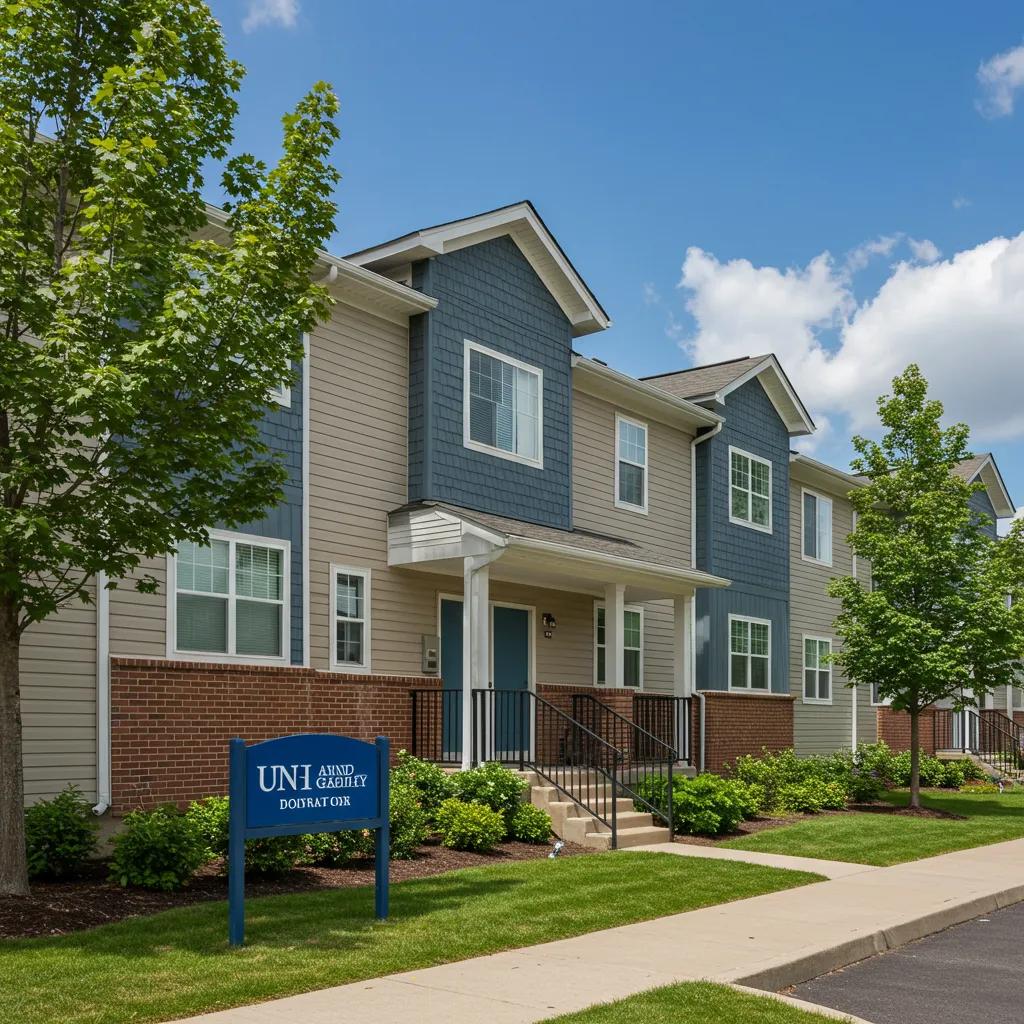
Durham’s modern UNH faculty housing and its storied Main Street Colonials demand paint solutions tailored to their distinct construction, usage patterns, and preservation requirements. Addressing these divergent needs ensures long-lasting finishes in high-traffic rental units while preserving historic authenticity for colonial heritage homes. This article explores:
Through expert guidance from a local, father-and-son painting team, you’ll gain clarity on selecting paints that deliver performance where it matters most—or authenticity where history counts.
UNH faculty housing comprises modern rental units designed for frequent tenant turnovers, requiring paint that withstands constant traffic while promoting quick reoccupancy. These properties often feature drywall interiors and vinyl or fiber cement exteriors that demand flexible, adhesion-rich coatings. Durable finishes resist scuffs and stains, reducing maintenance costs, and quick-dry, low VOC formulations enable faster move-in schedules and healthier indoor air quality for new residents. Understanding these rental-specific factors lays the groundwork for selecting the right paint systems to maximize longevity, tenant satisfaction, and operational efficiency.
Modern UNH residences often incorporate drywall, metal door frames, engineered wood trims, and synthetic siding materials. Paints selected for these substrates must balance adhesion, flexibility, and breathability to accommodate minor material movement without cracking or peeling. High-quality acrylic latex formulations bond effectively to drywall and metal, while elastomeric or acrylic-modified coatings ensure seamless coverage on vinyl siding. By matching paint chemistry to building materials, coatings maintain structural integrity and aesthetic uniformity, guaranteeing that faculty and their families enjoy a well-protected environment.
Below is a list of the top paint options providing resilience and ease of cleaning in busy rental interiors:
Each of these options supports rigorous cleaning routines while preserving finish quality, ensuring that rental units maintain a fresh, inviting look even under constant occupancy changes.
The following table compares two critical attributes of modern rental-grade paints that facilitate tenant health and rapid turnover:
Selecting paints with these characteristics ensures a healthier living space for occupants and enables property managers to prepare units for new tenants with minimal downtime. Learn more about our eco-friendly paint options.
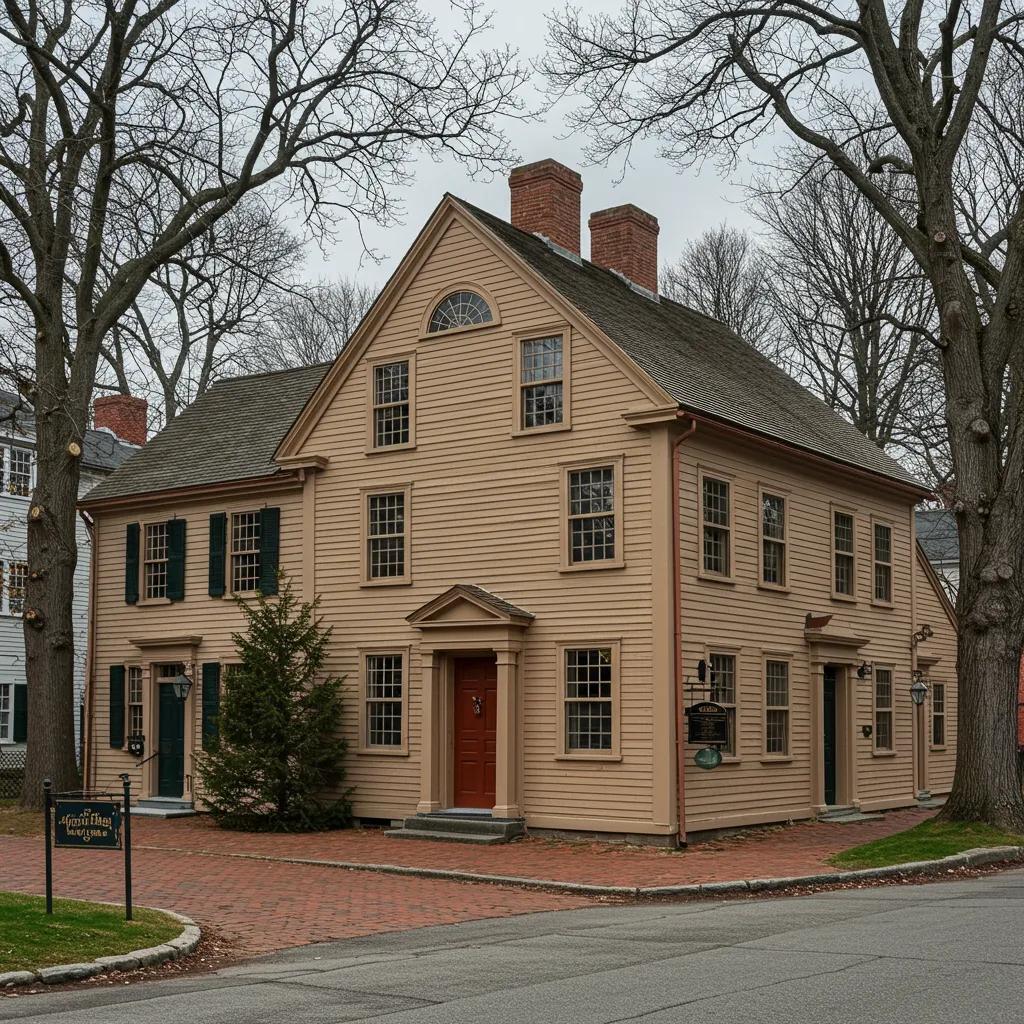
Historic Main Street Colonials, often built between the 1700s and the early 1900s, require specialized exterior painting systems that honor original materials and period color palettes while withstanding New England weather. Preservation-grade coatings accommodate wood siding expansion, breathability, and pigment fastness, ensuring that facades maintain architectural authenticity. Adhering to local historic district guidelines protects the town’s character and secures approval for color choices and finish types. These specialized considerations preserve the integrity of colonial homes and uphold Durham’s heritage streetscape.
Main Street Colonials display several historic architectural substyles—Colonial Revival, Georgian, and Federal—each linked to period-specific color schemes. Colonial Revival homes often featured soft creams and whites, Georgian facades embraced brick reds and olive greens, and Federal structures showcased muted blues and grays. By referencing historic New England color guides, property owners reinforce architectural lineage and comply with preservation standards, ensuring façades reflect their original cultural context.
Before selecting a coating, it’s important to review compatible preservation paints that accommodate wood substrate movement and adhere to historical moisture-management practices:
These specialized paints maintain the structural health of wood siding and trim, sustaining the colonial aesthetic across seasons.
Durham’s historic district review board enforces strict criteria on exterior colors, finish sheens, and application methods. Property owners must submit color samples for approval, ensuring that selected hues align with documented period palettes. Coating systems must also meet moisture-management requirements to prevent substrate damage. By following these guidelines, homeowners protect the architectural heritage of Main Street Colonials while avoiding costly repainting rejections and ensuring long-term preservation.
Paint selections for UNH faculty housing center on durability and rapid turnaround, whereas Main Street Colonials prioritize historic authenticity and substrate compatibility. Rental units benefit from scrub-resistant, low VOC, quick-dry acrylics tailored to synthetic and drywall surfaces. In contrast, colonial homes require mineral-based or alkyd formulations with period-correct pigments and breathability for wood clapboards. Understanding these divergent performance criteria ensures appropriate coating strategies for each property type, optimizing appearance, longevity, and compliance.
The following table contrasts modern durability features with preservation criteria essential for colonial exteriors:
Eggshell and satin finishes offer a blend of stain resistance and subdued sheen, making them ideal for high-traffic hallways and living rooms in rental units requiring professional interior painting. For colonial interiors, matte or flat finishes complement historic plaster walls and period trim by providing an authentic, low-reflective surface. Combining these options—eggshell on floors and trim, matte on walls—creates a harmonious interior that supports both practical maintenance and period-appropriate ambiance.
Rental property interiors typically require repainting every 3–5 years due to tenant turnover and wear, whereas colonial exteriors often follow a 5–10 year maintenance cycle based on wood siding condition and climate exposure. Modern acrylic systems boast warranties up to 10 years in moderate climates, while preserved oil-based coatings maintain integrity closer to every decade. Recognizing these maintenance lifespans guides budget planning and ensures optimal performance across diverse Durham properties.
Selecting the right color and finish enhances curb appeal, durability, and historical accuracy. Rental interiors favor neutral palettes—soft grays, creams, and whites—paired with satin or semi-gloss sheens for easy cleaning. Colonial exteriors benefit from historically accurate hues—slate blue, deep red, olive green—with matte or low-lustre finishes that reflect period authenticity. Integrating contemporary trends like contrasting trim or muted pastels into these palettes can modernize properties while respecting their architectural roots.
The following list presents period-inspired exterior colors recommended for colonial façades in Durham:
These colors reflect documented historic New England guides and support local preservation aesthetics.
A robust selection of interior finishes sustains rental units under heavy use:
Choosing these finishes ensures that rental interiors remain attractive and easy to maintain throughout frequent turnovers.
Current trends in Durham include matte interior walls contrasted with semi-gloss trim to highlight moldings, as well as deep accent walls in jewel-tone greens or navy blues. Exterior trends favor historically rooted colors with enhanced pigment technology for greater UV stability. These modern interpretations allow homeowners to express personal style while leveraging advanced paint formulations that improve performance in New England’s variable climate.
Handymasters Painting Co. brings over 15 years of combined father-and-son expertise to Durham, customizing each project to property type and client needs. By blending modern techniques—such as moisture-resistant coatings and low-VOC formulations—with preservation-grade methods like linseed oil primers and period-accurate color matching, this local team delivers finishes that perform and respect architectural heritage. Their community-focused approach and transparent pricing foster trust, ensuring that every rental and colonial home receives appropriate care and expert craftsmanship.
HandyMastersNH begins with a thorough inspection of substrate conditions—assessing drywall integrity for rentals and wood rot on colonial exteriors—followed by tailored surface preparation. Modern units receive flexible acrylic primers and quick-dry topcoats, while colonial projects involve gentle lead-safe practices, hand-scraping, and breathable oil paints. Detailed case studies—such as a rapid-turnover repaint of a UNH faculty unit in under 48 hours and a multi-phase restoration of a 19th-century colonial façade—illustrate their adaptive methodology.
HandyMastersNH offers compelling advantages for Durham homeowners and businesses:
These unique benefits ensure each property receives solutions aligned with its architectural character and maintenance goals.
Clients consistently praise HandyMastersNH for professionalism, attention to detail, and lasting results. One UNH faculty member highlighted the swift completion of a full interior repaint with zero disruption to move-in schedules. A Main Street homeowner lauded the faithful color matching and meticulous trim work that brought their colonial façade back to its historic splendor.
These testimonials underscore the team’s ability to exceed expectations across property types.
Consistent maintenance extends paint life, preserves aesthetics, and reduces long-term costs. High-traffic rental interiors benefit from routine cleaning, prompt touch-ups on scuffed areas, and periodic application of protective topcoats. Historic exteriors require annual inspections for paint failure, caulking cracks, and gentle washing to remove dirt and mildew. Adhering to these practices in Durham’s humid, salt-air environment protects both modern and colonial properties from premature deterioration.
Historic colonial exteriors generally undergo a repaint cycle every 5–10 years, depending on wood siding condition and local climate exposure. Inspections should focus on areas prone to moisture intrusion—window sills, corner boards, and eaves. Timely repainting prevents moisture damage to underlying wood and preserves original architectural details, laying the groundwork for sustained preservation.
To maintain rental unit finishes under constant use, follow these guidelines:
By implementing these steps, property managers optimize paint longevity and reduce the frequency of full repaints.
Durham’s coastal climate exposes coatings to high humidity, salt spray, and UV radiation, which can accelerate chalking and color fade. Selecting premium UV-resistant pigments and mildew-inhibiting additives helps combat these elements. Proper surface preparation—removing residual salt and moisture before coating—further enhances adhesion and ensures that paint systems endure the rigors of the Seacoast environment.
Advances in paint chemistry have produced specialized products that satisfy both modern performance standards and historic preservation mandates. High-performance acrylics deliver exceptional adhesion, UV resistance, and washability on contemporary materials, while breathable mineral and alkyd formulations maintain authenticity on colonial wood surfaces. Integrating these solutions ensures that each property benefits from optimal technology tailored to its architectural requirements.
Leading acrylic exterior coatings combine advanced polymers with UV inhibitors for long-term protection. Recommended options include:
These selections deliver robust performance in Durham’s variable climate while simplifying application workflows for painting professionals serving Durham and nearby Portsmouth homes.
Low VOC formulations reduce paint odors and improve indoor air quality for incoming tenants, while mildew-resistant additives protect humid areas from unsightly staining. By choosing these technologies, property managers ensure healthier living conditions and fewer maintenance issues, contributing to positive tenant experiences and reduced vacancy times.
Preservation-grade paints designed for colonial restorations uphold local historic district requirements. Noteworthy products include:
These specialized lines support compliance with preservation standards and offer lasting protection for wood-clad colonial homes.
Four decades of evolving paint technology and decades of local craftsmanship converge to guide Durham homeowners toward optimal coating selections. Whether you manage high-turnover UNH rentals or steward a historic colonial, choosing the right combination of chemistry, color, and finish ensures both performance and authenticity. For expert guidance and tailored painting solutions rooted in community trust, contact our local Seacoast painting team to discuss your specific property needs.
When selecting paint for homes in Durham, it’s essential to consider the local climate, which includes high humidity and salt exposure due to its coastal location. These factors can lead to quicker deterioration of paint finishes. Opting for UV-resistant and mildew-inhibiting paints can help combat these environmental challenges. Additionally, using low VOC paints contributes to better indoor air quality, making them a healthier choice for both modern and historic homes. Understanding these environmental impacts ensures longer-lasting and more effective paint applications.
Homeowners in Durham must familiarize themselves with the local historic district guidelines, which dictate acceptable paint colors, finishes, and application methods for colonial homes. This often involves submitting color samples for approval to ensure they align with documented period palettes. Engaging with local preservation boards and utilizing resources like historic color guides can help maintain compliance. By adhering to these guidelines, homeowners not only protect their property’s architectural integrity but also contribute to the preservation of the town’s historical character.
To preserve the paint on historic homes, regular maintenance is crucial. Homeowners should conduct annual inspections to identify any signs of paint failure, such as peeling or cracking. Gentle washing to remove dirt and mildew is also recommended. Touching up any damaged areas promptly can prevent further deterioration. Additionally, applying a protective topcoat every few years can enhance durability. By following these practices, homeowners can extend the life of their paint and maintain the aesthetic appeal of their historic properties.
Low VOC paints offer several advantages for rental properties, particularly in enhancing indoor air quality. These paints emit fewer volatile organic compounds, which can cause odors and health issues for tenants. Additionally, low VOC formulations often dry quickly, allowing for faster turnover between tenants. This is especially beneficial in high-traffic rental units where quick reoccupancy is essential. By choosing low VOC options, property managers can create healthier living environments while also reducing maintenance concerns related to paint odors.
Modern paint technologies, such as advanced acrylic formulations, significantly enhance the longevity of exterior finishes. These paints often include UV inhibitors that protect against color fading and chalking, which are common issues in harsh climates. Additionally, many modern paints are designed to be flexible, allowing them to expand and contract with temperature changes without cracking. This adaptability, combined with improved adhesion properties, ensures that exterior finishes remain intact and visually appealing for longer periods, reducing the need for frequent repainting.
Surface preparation is a critical step in the painting process for both modern and historic homes. Proper preparation involves cleaning, repairing, and priming surfaces to ensure optimal adhesion of the paint. For modern homes, this may include addressing drywall integrity and ensuring smooth surfaces. In contrast, historic homes require careful handling to preserve original materials, often involving lead-safe practices and gentle cleaning methods. By investing time in thorough surface preparation, homeowners can achieve a more durable and aesthetically pleasing finish that stands the test of time.
Current paint color trends in Durham reflect a blend of modern aesthetics and historical authenticity. For modern homes, neutral palettes featuring soft grays, whites, and muted pastels are popular, often paired with contrasting trim. In contrast, historic homes benefit from period-appropriate colors like slate blue, brick red, and olive green, which resonate with their architectural heritage. Homeowners are increasingly integrating contemporary trends, such as deep accent walls, while ensuring that their choices respect the historical context of their properties, creating a harmonious balance between old and new.
Whether you’re refreshing faculty housing before the next academic year or restoring a Main Street colonial that’s weathered too many New Hampshire winters, our father-son team knows exactly what your specific property needs. Fill out the form below for a free estimate (no high pressure sales pitch), just honest recommendations from local painters who’ve seen every type of Durham home.