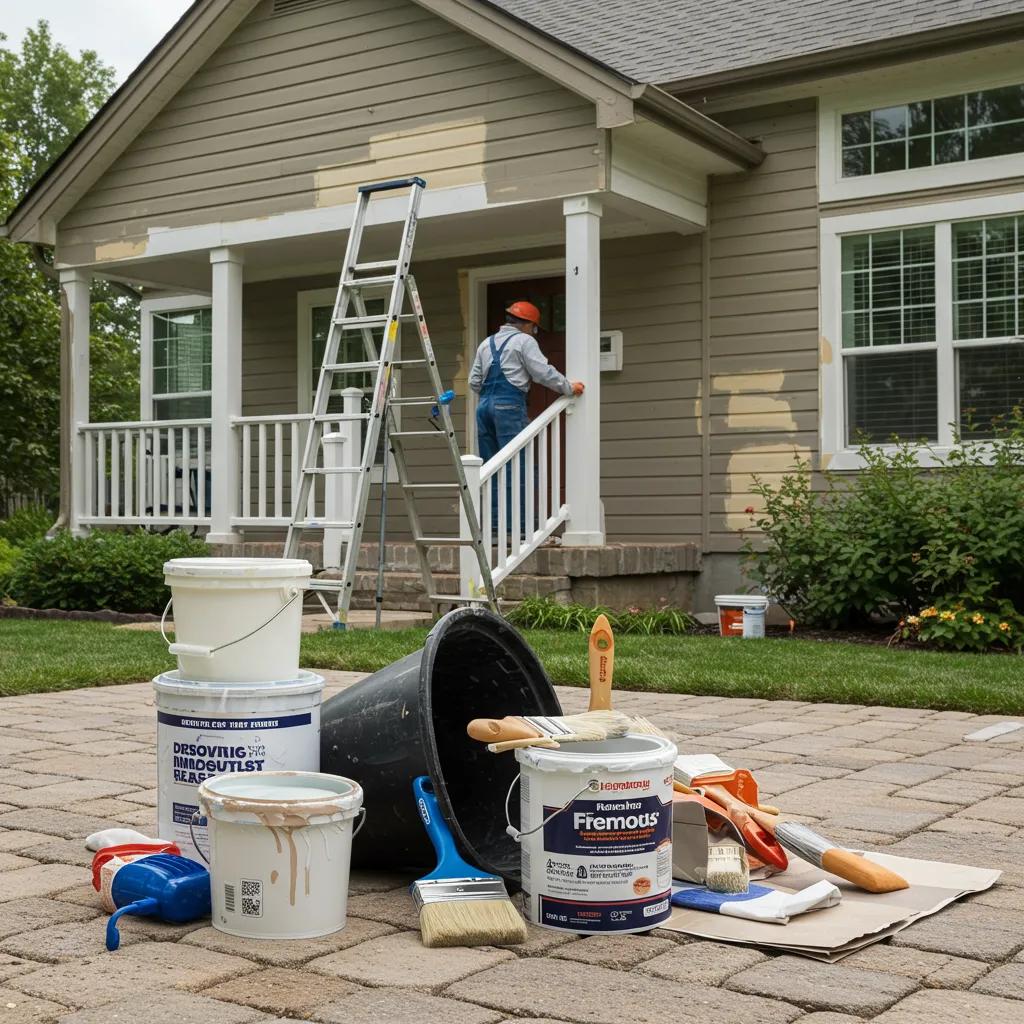
An $8,000 paint job is about much more than just the paint itself—it represents the combined effort of skilled labor, quality materials, thorough surface preparation, essential equipment, and responsible waste management, all working in harmony to achieve a stunning, lasting finish. By breaking down each component of this investment, homeowners in New Hampshire and Massachusetts can gain a clear understanding of where their money is going and how HandymastersNH champions transparency. This guide will walk you through the key elements of a typical $8,000 estimate, explore how your property’s size and condition impact pricing, detail what a transparent quote from HandymastersNH includes, provide crucial questions to help you avoid hidden fees, compare interior versus exterior painting costs in New Hampshire, outline steps for securing accurate bids in Dover NH, Durham, and surrounding areas, and highlight the significant return on investment a professional paint job offers. Understanding these seven core themes will empower you to compare estimates with confidence, sidestep unwelcome surprises, and partner with a local painting expert dedicated to honesty and superior quality.
A standard $8,000 house painting estimate typically covers labor, materials, meticulous surface preparation, equipment usage, and thorough cleanup—all vital for a durable and beautiful finish. Labor costs account for the wages of our skilled crew and the time invested in applying multiple coats. Material expenses include premium paints, primers, and specialized coatings designed for longevity and fade resistance. Surface preparation tasks, such as cleaning, repairing, and sanding, create the ideal foundation for paint adhesion. Equipment fees cover the use of scaffolding, safety gear, insurance, and any necessary permits, ensuring a secure and compliant work environment. Finally, cleanup and disposal services ensure all paint chips, debris, and packaging are removed responsibly, protecting your property and the environment. Together, these elements guarantee professional results and provide a framework for understanding how specific factors influence your final price.
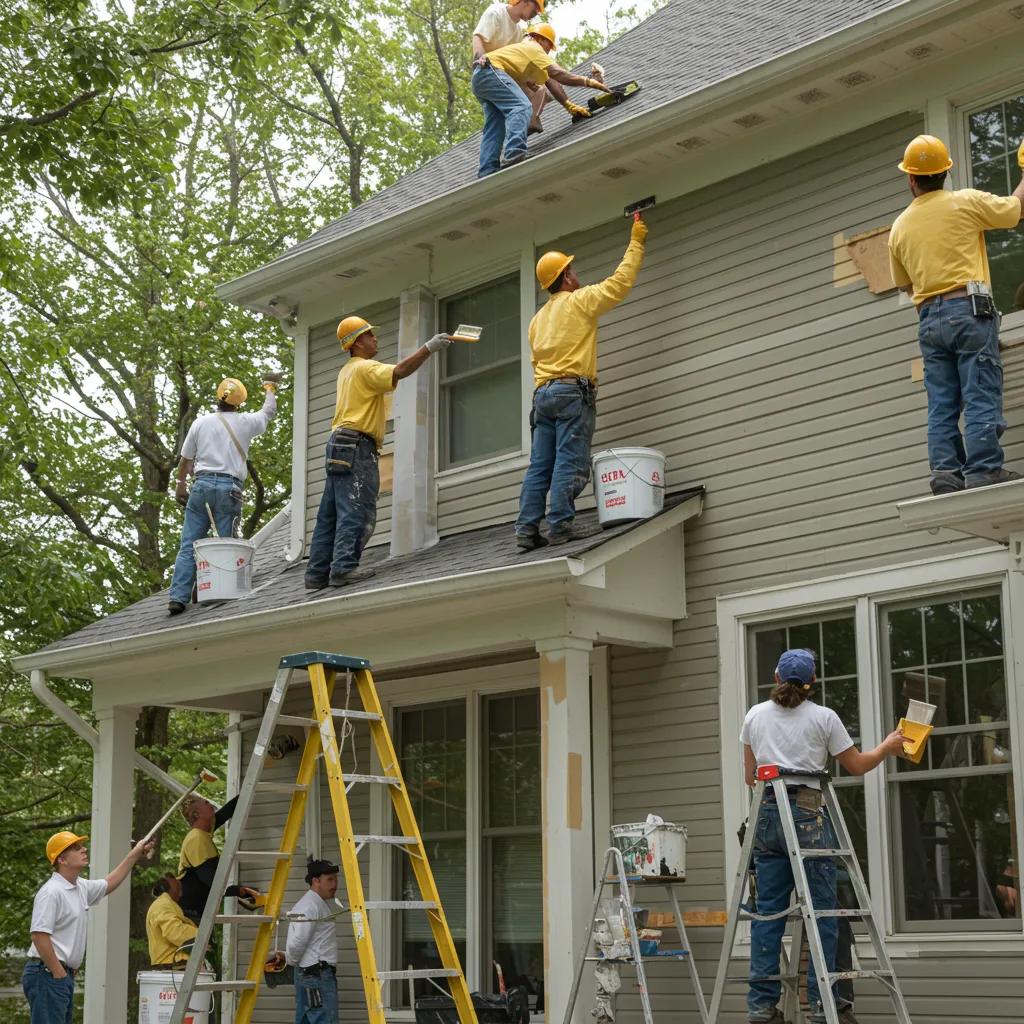
Labor costs typically represent the largest portion of an $8,000 estimate, often ranging from 70% to 80%, due to the skilled time and project management involved. Factors like crew size, hourly rates, the complexity of your home’s architectural features, and the total square footage all contribute to the overall labor investment. Our experienced painters at HandymastersNH work efficiently to minimize downtime and ensure consistent, high-quality coverage, which reduces the need for future touch-ups and extends the life of your paint finish. Our transparent, itemized estimates clearly show hourly rates, estimated crew hours, and any oversight fees. This clarity in labor calculations helps prevent surprises and naturally leads into the discussion of material costs, which make up the remaining portion of your investment.
Material expenses typically account for about 20% to 30% of your total investment and include not only paint but also primers, caulking, brushes, rollers, and protective coverings. Before we dive into the numbers, consider this essential breakdown:
This table illustrates how each material choice contributes to a long-lasting, vibrant finish. Understanding these components lays the groundwork for appreciating how thorough surface preparation further safeguards your investment.
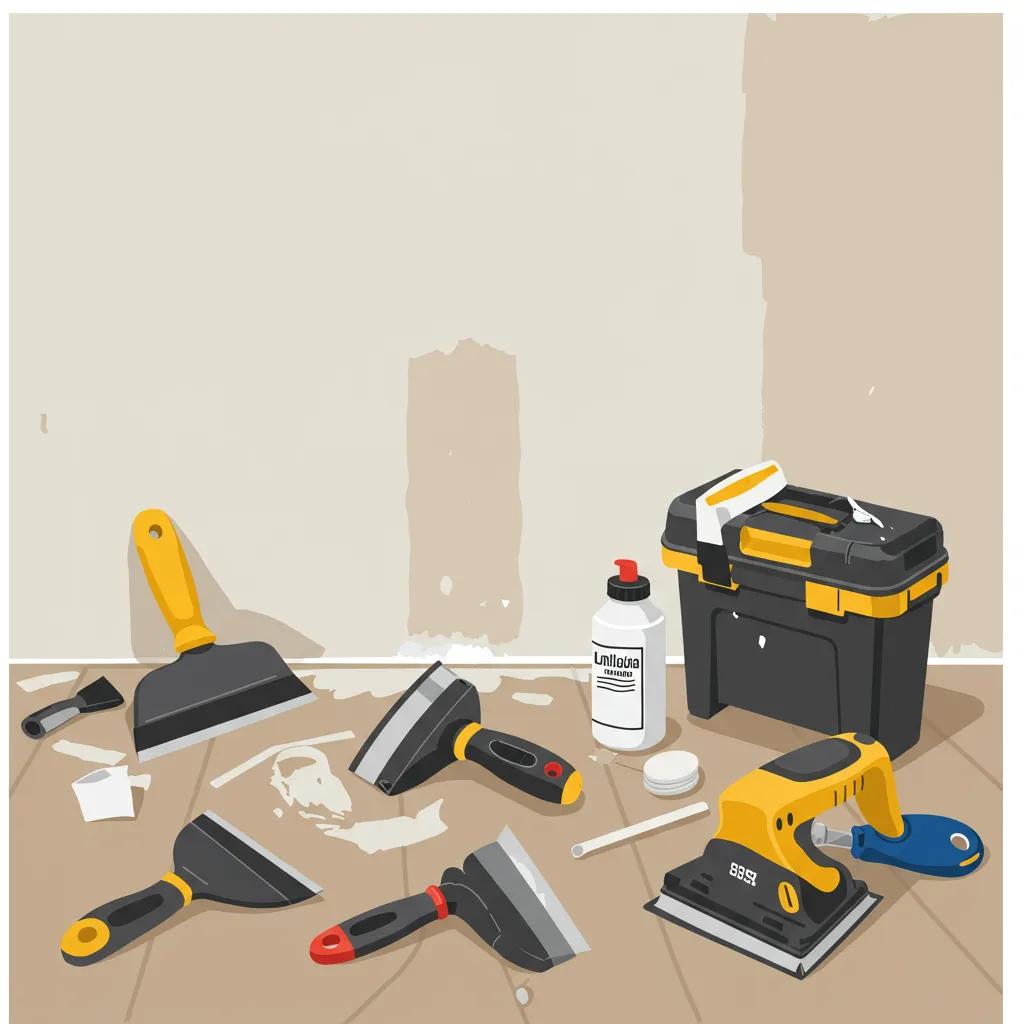
Surface preparation involves essential steps like cleaning, pressure washing, scraping, patching, sanding, and masking to create a sound substrate that ensures optimal paint adhesion and a uniform, flawless finish. Proper preparation is key to preventing issues like peeling, uneven coverage, and premature paint failure, ultimately justifying its cost by significantly extending the lifespan of your paint system. Tasks such as caulking gaps, filling cracks, and pressure washing damaged siding might add to the initial estimate, but they can save you years before the next repaint is needed. Detailed prep work also helps uncover hidden issues, such as rot or moisture damage, that require timely repair. Understanding these critical steps will help you evaluate how your property’s condition influences the final bid.
Mastering the nuances of surface preparation is fundamental for achieving a paint job that stands the test of time, as it directly impacts the paint’s ability to adhere and endure.
Cost-Saving Surface Preparation for Maintenance Painting
By subjecting the entire surface to significant abrasive impact, coating that cannot withstand …Cost Saving Surface Preparation Process for Maintenance Painting, Unknown Author, 2025
Equipment and overhead expenses cover the tools, safety measures, and compliance requirements necessary for a secure and code-compliant painting project. Key items include:
These overhead costs ensure our team operates legally and safely while safeguarding your property. They are directly linked to the meticulous cleanup and disposal requirements that bring the project to a successful close.
The investment in a painting project extends beyond paint and labor to encompass essential equipment and operational overhead that guarantee safety and regulatory compliance.
Estimating Industrial Painting Project Costs: Materials, Labor, and Equipment
Painting cost estimates are custom made for a particular project. For the purpose of this article, estimating is defined as the expected cost of materials, labor, equipment, other costs, and the …Estimating the cost of industrial painting projects, Unknown Author, 2015
Proper cleanup and disposal involve removing paint chips, used supplies, and packaging in accordance with local regulations, preventing environmental hazards and property damage. Our crews meticulously collect debris, responsibly dispose of hazardous containers, and ensure the site is left pristine and ready for your enjoyment. Waste-handling fees cover the transportation of materials to recycling or landfill facilities, while the labor involved in final walkthroughs ensures all areas meet our stringent quality standards. This final service may add a modest fee but provides invaluable peace of mind, rounding out the comprehensive nature of an $8,000 paint job and leading us to discuss how home characteristics shape these costs.
Responsible cleanup and waste disposal are integral components of a professional painting project, ensuring environmental compliance and a flawless final finish.
Estimating Industrial Painting Project Costs
Painting cost estimates are custom made for a particular project. For the purpose of this article, estimating is defined as the expected cost of materials, labor… overhead rate percentage of …Estimating the cost of industrial painting projects, Unknown Author, 2015
The size and condition of your home are primary drivers of any painting estimate, directly impacting material quantities, labor hours, and necessary repair work. The square footage and number of stories dictate paint volume and scaffolding needs, while existing surface damage necessitates additional preparation time, extending the project duration. The chosen paint grade influences coverage rates and the number of coats required. Furthermore, regional factors like New England’s humidity and seasonal temperature fluctuations affect scheduling and drying times. By carefully assessing these key variables, you can anticipate adjustments to your baseline $8,000 price tag and gain a clearer understanding of how each sub-factor contributes to the final figure.
The square footage and vertical complexity of your home establish the baseline pricing, as they determine the quantity of paint needed and the logistics for the crew. Smaller single-story homes, typically ranging from 1,200 to 1,500 sq ft, might start around $5,000 for exterior painting. However, larger two-story properties, around 2,500 to 3,000 sq ft, can easily exceed $8,000 when factoring in specialized safety equipment and additional labor hours.
Here’s a comparison of typical scenarios:
Larger homes inherently require more time for setup and teardown, which naturally leads into considerations regarding surface condition.
Pre-existing issues such as peeling paint, water stains, and wood rot significantly increase preparation time and material usage. Minor repairs, like caulking gaps or patching drywall holes, might add a few hundred dollars to the estimate. However, extensive wood replacement or mold remediation can easily push costs into the thousands. HandymastersNH thoroughly inspects each surface to identify any hidden damage before providing a quote, preventing surprise fees and ensuring the structural integrity of your home. Clear documentation of any necessary repair work within your estimate builds trust and seamlessly transitions into discussions about material grades.
The type and performance grade of the paint you choose directly influence coverage rates, durability, and overall cost. Standard acrylic paints, typically costing $25–$35 per gallon, may require two coats for optimal coverage. In contrast, premium low-VOC or specialty weather-resistant formulas can exceed $60 per gallon but offer reduced future maintenance needs. Higher-end options also provide enhanced mildew resistance and UV protection, which contribute to a longer-lasting, vibrant appearance. By comparing quality tiers and anticipated lifespans, homeowners can effectively balance upfront investment against long-term durability, setting the stage for understanding regional pricing factors.
Regional labor rates in New Hampshire and Massachusetts tend to be 10% to 15% higher than national averages, with areas like Portsmouth often reflecting the higher end of this spectrum due to local cost of living and market demand. The prime season for exterior painting—late spring through early fall—offers optimal temperatures but also comes with higher demand and potentially premium scheduling fees. Interior projects often fill the winter calendar, sometimes at slightly lower rates, although humidity control and proper drying times remain critical considerations. Strategically scheduling your project during off-peak seasons can lead to cost savings, which naturally leads into how HandymastersNH structures its transparent quotes.
A transparent estimate from HandymastersNH, reflecting our commitment to honest pricing, meticulously itemizes labor rates, material costs, preparation work, equipment fees, and waste disposal, allowing homeowners to see precisely where each dollar is allocated. This clear breakdown supports informed decision-making and eliminates unexpected add-ons. Our estimates specify hourly charges, crew size, the brand and grade of paint and primer, necessary surface repairs, scaffold rental details, safety measures, and final cleanup tasks. Any potential extras, such as lead-safe practices or fees for multi-story access, are clearly flagged upfront. With this level of detail, clients fully understand the project scope before work commences and can confidently compare bids on an equal footing.
HandymastersNH provides a comprehensive line-by-line summary detailing labor hours, crew composition, and hourly rates. This is presented alongside specific information on paint brand, primer type, estimated quantities, and supply costs. This level of clarity eliminates guesswork and allows homeowners to see exactly how labor and materials combine to form the total project cost. Listing these details side-by-side ensures that quality choices—such as using premium acrylic for siding or selecting eco-friendly interior paints—are transparently presented for accurate budget planning. A well-documented estimate naturally transitions into the included preparation and cleanup services.
Quotes from HandymastersNH clearly specify all surface preparation tasks, including power washing, scraping, patching, sanding, and caulking, as well as the protective measures taken for landscaping and fixtures. Cleanup details cover debris removal, waste sorting, container recycling, and a final inspection to ensure your home is left move-in ready. Documenting these services guarantees there will be no surprises and reinforces the value of our comprehensive site management. The clear inclusion of these tasks sets the foundation for discussing any potential hidden fees.
By clearly outlining potential extra charges—such as specialized equipment rentals for multi-story access, lead paint containment procedures, or unusually extensive repair needs—HandymastersNH prevents unplanned costs. Each contingency is listed as an optional line item, allowing homeowners to decide in advance which services to authorize. This upfront transparency builds trust and protects budgets, creating a straightforward path to reviewing the professionalism and local expertise that define HandymastersNH’s approach.
Our local, trained painters possess in-depth knowledge of New Hampshire’s climate and building codes, ensuring results that are tailored to regional material performance and weather cycles. Comprehensive insurance coverage, ongoing education in protective coatings, and active membership in professional painting associations confirm our credibility. Onsite project managers maintain daily communication and ensure adherence to project timelines. Highlighting these qualifications reassures clients of consistent quality and naturally leads into empowering homeowners with crucial questions to ask their painter.
Asking proactive questions will reveal how labor is calculated, which materials will be used, what preparation work is included, the scope of safety measures, and how waste will be handled—all crucial for preventing unwelcome surprises. Asking the right questions ensures full visibility into the estimate and highlights any potential gaps before work begins. These five categories of questions empower homeowners to secure honest, competitive bids and transition smoothly into understanding the differences in New Hampshire’s interior versus exterior painting costs.
Understanding the estimated crew hours, hourly rates, and any oversight fees clarifies labor costs and prevents inflated billing. Ask for a detailed breakdown of crew members assigned to each task, expected efficiency rates, and any premium charges for weekend or holiday work. This transparency reveals where time allocations might vary and helps you gauge the painter’s projected productivity. Clear labor calculations directly link to inquiries about material brands and paint quality.
Inquiring about specific paint lines and their performance data ensures that the materials selected align with your budget and longevity expectations. Request brand names, coverage rates, recommended number of coats, and warranty details. Comparing these specifications across different bids highlights quality differentials and their associated cost implications. Transparency regarding materials paves the way for clarifying surface repair and preparation scopes.
Confirm that all necessary cleaning, caulking, patching, sanding, and masking tasks are included in the base price of your estimate. Ask for estimated hours and supply costs associated with each specific repair activity. This establishes a clear scope for preventing unforeseen repair surcharges. Ensuring alignment on the prep scope naturally leads into questions about equipment and safety measures.
Verify which ladders, scaffolding, harnesses, masks, and protective coverings are provided at no additional cost. Ask whether the painter’s insurance covers on-site injuries or accidental property damage. Clear disclosures regarding equipment prevent unexpected rental or liability fees later in the project. Ensuring transparency in safety measures closes the loop on operational overhead and transitions smoothly to cleanup and disposal details.
Ask how debris will be collected, whether waste containers are included in the estimate, and if disposal fees are covered. Inquire about the painter’s protocols for paint can recycling or handling hazardous waste. Confirming these procedures helps avoid unexpected waste-handling charges. Transparency in waste management completes the set of critical cost-avoidance questions and leads directly into cost comparisons for interior versus exterior painting.
Interior and exterior painting projects differ significantly in scope, preparation requirements, and exposure demands, resulting in distinct cost structures. Exterior projects must withstand harsh weather conditions and often involve more extensive surface repairs, specialized coatings, and the use of scaffolding. Interior jobs focus on room size, ceiling height, trim detail, and occupant convenience, influencing labor and material choices. New Hampshire’s regional climate dictates the optimal windows for exterior work, while interior projects can be scheduled year-round with consistent indoor conditions. Recognizing these contrasts is key to budgeting appropriately and selecting the right painting partner for your specific needs.
Exterior painting services in New Hampshire generally range from $3 to $7 per square foot, with costs influenced by siding material, trim complexity, and the need for protective sealers.
Key price drivers include:
This variation in material and preparation requirements helps set expectations for scheduling and budget planning before we examine interior painting rates.
For a comprehensive understanding of interior painting project costs, prices typically range from $1.50 to $3 per square foot, based on room size, the number of coats required, and any included trim work. High ceilings or custom molding can add complexity and labor time, while rooms with minimal trim and standard heights streamline the process. Factors such as furniture moving, the use of drop cloths, and wall repairs further influence the per-square-foot metric. Understanding these interior pricing tiers helps homeowners compare detailed quotes and naturally leads into exploring cost drivers for different types of rooms.
Ceiling height, wall texture, the number of paint coats, and the intricacy of trim detail all significantly affect labor intensity and material consumption. Smooth drywall might only require primer and two coats of paint, whereas popcorn ceilings or ornate crown molding demand additional hours of meticulous preparation and precise application. Accessibility—such as narrow hallways or tight staircases—can increase the time spent maneuvering equipment. Opting for eco-friendly, low-VOC paints may cost more per gallon but contributes to improved indoor air quality. Recognizing these factors helps set realistic budgets and leads into the impact of weather on exterior painting timelines.
Painting during peak demand periods in late spring and early fall typically commands premium rates due to ideal drying temperatures and lower humidity levels. Extreme heat or cold can potentially invalidate paint warranties and increase labor time required for safe material application. Scheduling your project during the off-season may reduce upfront costs but carries the risk of project delays due to unexpected weather shifts. Balancing the advantages of seasonal timing with your budget considerations ensures your exterior paint performs reliably, which directly connects to securing precise local bids in Dover.
Securing precise bids in Dover NH begins with thorough onsite assessments to accurately measure square footage, evaluate surface condition, and identify any special requirements. We recommend requesting itemized quotes that clearly list labor hours, material grades, repair scopes, equipment fees, and waste-handling charges. Comparing at least three estimates will help you spot inconsistencies and verify scope alignment. Always check that contractors hold local licenses, possess adequate insurance, and have positive testimonials from nearby homeowners. Following these steps will help you understand local rate ranges and how HandymastersNH personalizes proposals for your specific region.
Local painters in Dover NH typically charge approximately $45 to $75 per labor hour, with rates varying based on crew experience, project complexity, and seasonal demand. These rates reflect New Hampshire’s cost of living and the skilled labor market. Detailed bids will convert these hourly rates into total labor line items, clearly showing how crew time translates into project costs. Understanding these typical rate ranges helps you evaluate whether a quote aligns with market norms and transitions effectively into tactics for comparing multiple bids.
Compare quotes line by line, focusing on consistency in scope, paint brands, coat counts, preparation work, and cleanup services. Prioritize itemized estimates over lump-sum bids and calculate per-square-foot metrics for each component. Assess contractor credentials, warranty terms, and project timelines alongside pricing. This structured comparison method helps identify outlier estimates and empowers you to negotiate effectively on both quality and cost, leading naturally to the specific questions you should ask to vet local painters.
In addition to inquiries about labor, materials, and scope, it’s essential to ask about licensing credentials, insurance coverage, on-site supervision, and warranty details. Request references from recently completed projects in Dover NH to verify workmanship and communication quality. Clarifying these points helps avoid service gaps and unanticipated charges. Armed with the right questions, you can confidently select a contractor whose proposal meets both your quality and budget expectations.
HandymastersNH customizes each bid by carefully assessing regional climate factors, local building codes, and homeowner priorities, such as the use of eco-friendly products or specific scheduling constraints. Our onsite consultations identify unique architectural features and surface issues, ensuring the scope and price accurately reflect your home’s specific needs. This personalized approach builds trust and guarantees a fit-for-purpose plan that aligns with your home and budget, setting the stage for evaluating the long-term value of your investment.
A professional repaint not only significantly enhances your home’s curb appeal but also provides crucial protection for siding, trim, and other surfaces against moisture and UV damage, thereby creating lasting value. By investing $8,000 in a quality paint job, homeowners typically see a 50% to 70% ROI at resale, driven by improved first impressions and documented maintenance history. High-quality exterior paint can delay the need for costly siding replacement, while a fresh interior paint job boosts perceptions of cleanliness and modernity. Understanding these returns positions painting as both a necessary maintenance task and a strategic home-value enhancement, leading directly into specific value drivers.
A newly painted exterior revitalizes architectural details, establishes a cohesive color scheme, and signals proactive upkeep to potential buyers. Homes with updated paint often spend fewer days on the market and command higher offers, with improved first-impression scores significantly driving buyer interest. Documented maintenance history, including professional paint applications, further reassures investors and real estate agents. These substantial curb appeal benefits directly underscore why professional expertise is so valuable.
Professional painters bring technical skill, efficiency, and access to high-quality materials that minimize rework and the need for touch-ups. Their expertise in surface diagnostics prevents premature paint failures caused by moisture or substrate issues, while efficient workflows reduce project duration and disruption. Warranty-backed finishes and insured crews protect your investment, offering peace of mind that DIY efforts rarely provide. Recognizing these advantages highlights how quality services lead to long-term savings and transitions smoothly into discussions about current market trends.
The demand for low-VOC and eco-friendly coatings continues to rise among health-conscious homeowners, potentially increasing material premiums by 10% to 20%. Advanced weather-resistant formulations and color-fade inhibitors cost more per gallon but extend maintenance cycles significantly. The growing emphasis on sustainable packaging and recycling programs also contributes to supply expenses. Staying informed about these trends will help you choose the best balance of performance, environmental responsibility, and budget, concluding our comprehensive guide to painting costs.
Fresh paint transforms your home’s appearance, protects its structural surfaces, and delivers measurable value when it comes time to sell. By understanding the intricacies of labor, materials, preparation, and overhead, you can compare quotes with confidence and avoid hidden fees.
Handymasters Painting Co. offers local expertise, transparent estimates, and professional execution to ensure your $8,000 investment yields lasting beauty and protection. Request a detailed, no-obligation painting estimate today by submitting the quick form below or visiting our contact page to start your project on a foundation of trust and clarity.