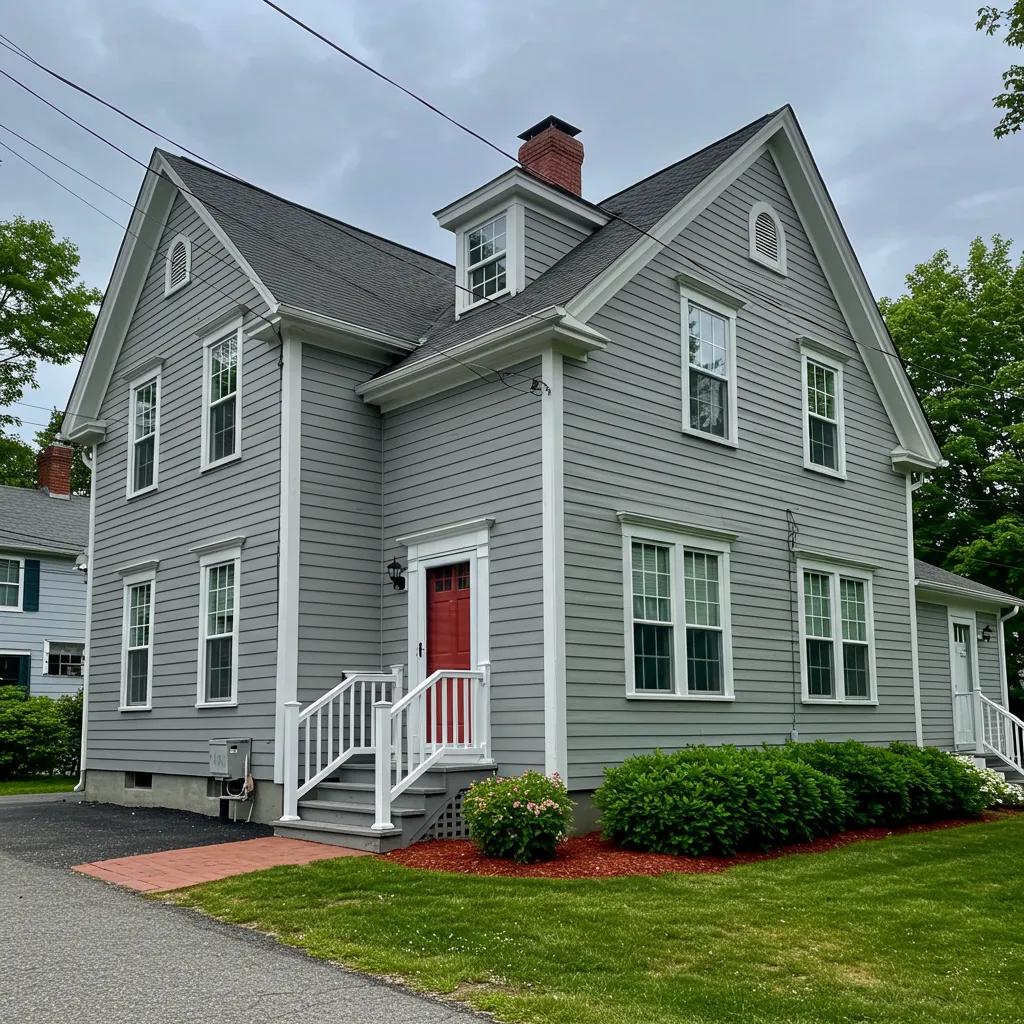
Many Dover homeowners should plan on repainting highly exposed exterior surfaces roughly every five years to maintain protection, appearance, and structural integrity. This recommendation reflects how New England’s temperature swings, coastal salt air, humidity, and UV exposure combine to accelerate paint breakdown and allow moisture entry, which in turn increases the risk of rot and costly repairs. In this guide, you will learn how climate factors shorten paint lifespan, the visible signs to watch for, material-specific repaint intervals, and practical maintenance steps to extend coating life. The article also explains which paint technologies perform best in Dover, how a systematic surface preparation program prevents common failures, and the long-term financial and curb appeal benefits of scheduled repainting. Finally, it outlines a proven contractor process and local options for homeowners needing an on-site assessment or free estimate. By the end, you’ll have a clear repainting cadence for wood, vinyl, stucco, aluminum, and painted brick exteriors, plus action steps to protect your home against New Hampshire’s coastal weather.
New England’s climate places several distinct stresses on exterior coatings that shorten their effective lifespan by mechanically and chemically degrading binders and adhesion. Thermal cycling from hot summers to freezing winters causes expansion and contraction of siding and trim, which stresses paint films and accelerates cracking and adhesion loss. High seasonal precipitation and humidity promote biological growth and allow water to migrate under coatings, while coastal salt deposits draw moisture and corrode metal fasteners and substrates. Strong summer UV exposure breaks down resin molecules in topcoats, causing color fade and chalking that reduces the film’s ability to shed water and protect the substrate. Understanding these mechanisms helps homeowners prioritize preventive steps like timely repainting and targeted prep work to prevent water infiltration and structural damage.
Salt air, freeze-thaw movement, moisture cycles, and UV each require different preventative focus, which leads directly into evaluating temperature extremes that most affect paint performance in Dover.
Temperature swings in Dover—hot summer afternoons and sub-freezing winter lows—create repeated expansion and contraction in siding and trim that stresses paint adhesion. When a paint film cannot flex with the substrate, micro-cracks form and propagate, allowing water and salt into the interface and hastening delamination; this dynamic explains why flexible, acrylic-latex systems are preferred. Cold-season painting is also risky because cure and adhesion are limited below manufacturer-recommended temperatures, while excessively hot application days increase flow and sag risk. For durability, scheduling work during moderate temperatures and using paints formulated for thermal movement reduces the likelihood of early failure.
These thermal stresses combine with coastal moisture pressures, so next we examine how salt air and moisture specifically damage exterior paint.
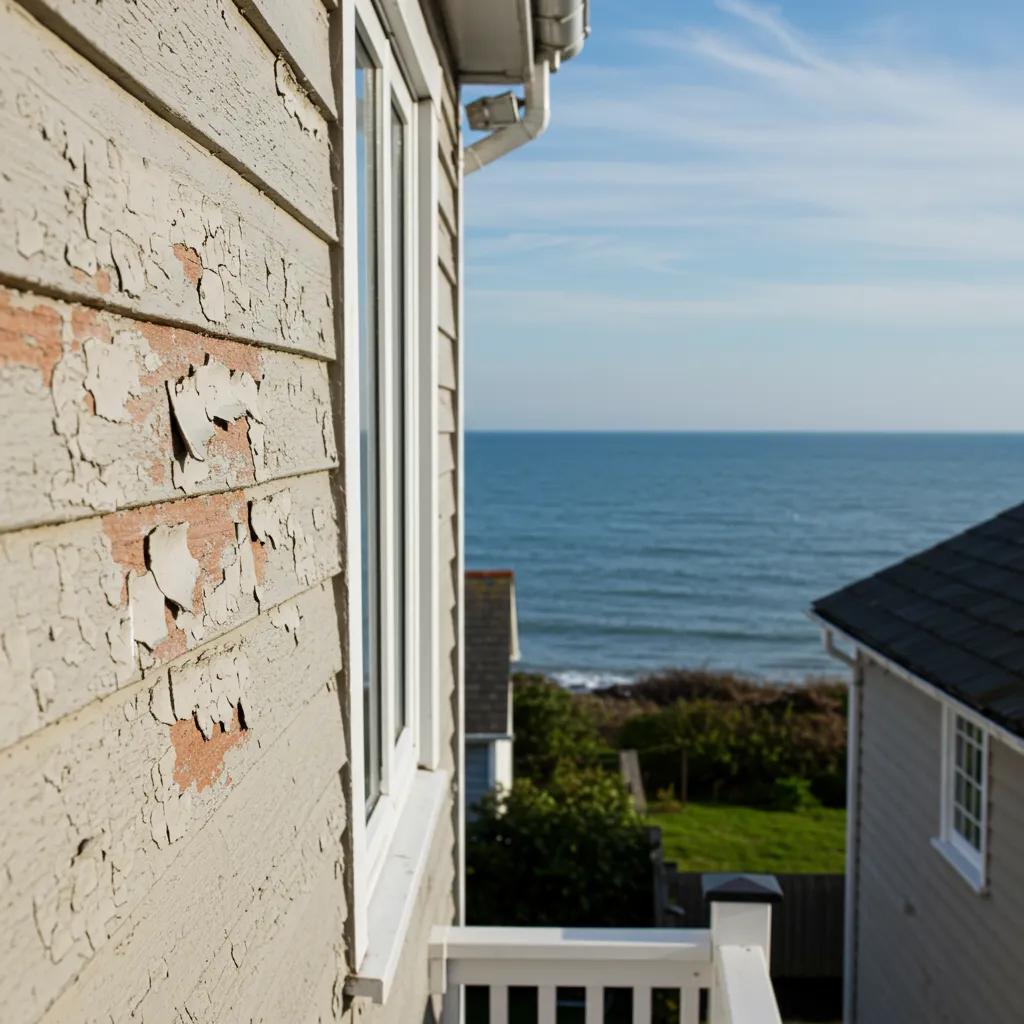
Coastal salt deposits act hygroscopically—salt crystals attract and hold moisture—so painted surfaces near the shore are frequently exposed to micro-environments of elevated humidity that undermine adhesion and promote blistering. Salt also accelerates corrosion of metal fasteners and trim, producing rust stains and substrate degradation that break paint bonds. Repeated wetting and drying cycles force water beneath films, causing delamination and encouraging mildew or algae growth on organic surfaces. Preventive measures such as routine pressure washing to remove salt, replacing corroded fasteners, and ensuring proper flashing and caulking significantly reduce these moisture-driven failures and extend coating life.
Removing salt and biological growth is a preparation priority before repainting, which leads into the checklist of visual signs that indicate paint failure.
Recognizing early paint failure signs lets homeowners act before water or rot become expensive problems. Peeling, cracking, and blistering indicate adhesion or moisture problems; visible mold, mildew, and dark stains point to persistent dampness that must be addressed; chalking and uniform fading show UV breakdown of the topcoat and loss of protective film; and failing caulk or open seams allow water entry behind cladding. Detecting these symptoms early enables targeted repairs—spot priming, caulk replacement, or local boards—rather than whole-cladding replacement. Below is a homeowner-friendly checklist to make a quick diagnostic sweep around your property.
Homeowners should use the checklist below as a quick on-site diagnostic and then follow the summary guidance to prioritize repairs.
The checklist highlights which issues require immediate repair and which can be scheduled; the next paragraphs explain how to interpret urgency and remediation.
These actionable priorities help homeowners decide whether to pursue spot repairs or a full repaint, and they segue into material-specific repainting intervals that balance protection and cost.
Generally, a conservative and practical repainting baseline for Dover is every five years for exposed surfaces, with realistic ranges from three to seven years depending on material, exposure, and paint quality. This five-year cadence balances upfront maintenance costs against the higher long-term expense of rot repair, flashing replacement, or siding replacement that can follow deferred repaints. Using premium acrylic-latex coatings, thorough surface prep, and attention to fasteners and caulking can extend intervals toward the seven-year end for sheltered areas, while highly exposed coastal facades, gable ends, and sun-facing trim are best scheduled every three to five years. Homeowners should couple the recommended interval with regular inspections and maintenance to catch early failures.
Below is a compact comparison table showing typical repaint intervals by common siding type in Dover and recommended actions to tailor schedules.
This table compares siding materials and practical recommended repaint intervals for Dover conditions.
This comparison helps align a repaint schedule to material-specific failure modes and local exposure; the next section explains why a five-year baseline is conservative for Dover’s weather.
Handymasters Painting Co. can assess individual siding exposure and produce a tailored repaint schedule based on local climate, siding type, and observed wear. As a local lead-generation team offering services like exterior painting and deck staining, Handymasters provides free estimates and on-site evaluations to recommend timing that balances cost and protection. Homeowners in Dover seeking a customized plan can request an assessment to align maintenance with their property’s specific conditions.
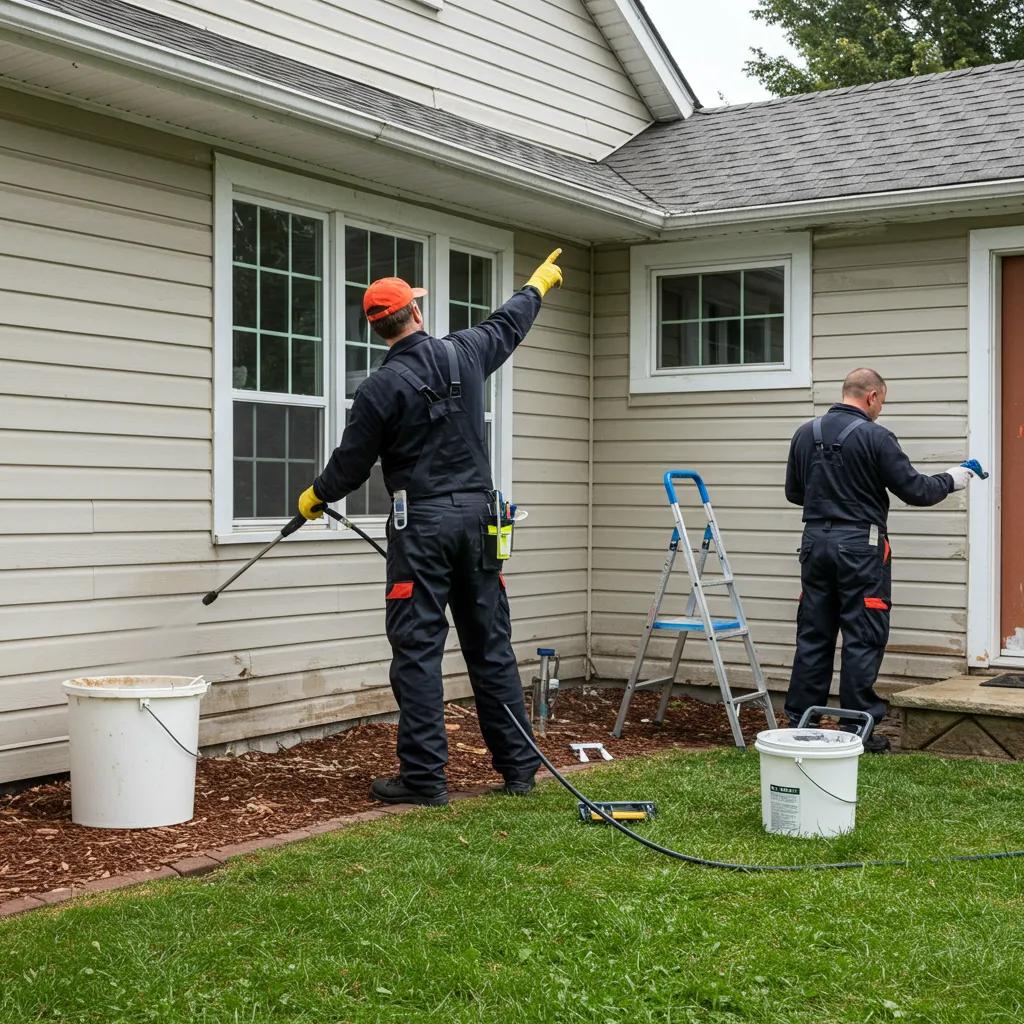
A rigorous, repeatable 6-step process is critical to create durable paint systems in Dover’s challenging climate: inspection, cleaning, repairs, priming, topcoating, and final inspection. First, a detailed on-site inspection documents substrate condition, fastener corrosion, and moisture vulnerabilities so the work scope targets root causes rather than cosmetic symptoms. Second, high-pressure washing removes salt, mildew, and loose coating; this step is essential near the coast to stop salt-driven recontamination. Third, repair work—replacing rotten wood, addressing flashing, and renewing caulk—eliminates the sources of paint failure. Fourth, correct primer selection for the substrate and spot-priming bare wood or patched areas ensures adhesion and sealer performance. Fifth, application of premium acrylic-latex topcoats in appropriate sheens provides UV resistance and flexibility for thermal movement. Sixth, a final walkthrough and touch-up insure workmanship and customer satisfaction.
This numbered list outlines the workflow; the next paragraphs explain surface prep specifics that most influence longevity in Dover.
Surface preparation is the single most important determinant of coating life in coastal New Hampshire because it removes salts, biological growth, and compromised material before coatings are applied. Pressure washing at appropriate pressures clears salt deposits and mildew; allowing adequate drying time prevents trapping moisture under the new film. Mechanical preparation—scraping loose paint, sanding gloss down, and removing rust—creates a sound anchor profile for primers and topcoats, while replacing rotten boards and corroded fasteners eliminates future failure points. Careful inspection and replacement of old or failed caulk around windows and trim seals the building envelope and prevents water migration beneath finishes. These preparation steps directly reduce delamination, blistering, and premature peeling, translating into longer intervals between repaints.
Proper prep reduces future repairs and naturally leads to selecting the best paint chemistries for Dover’s mixed stressors.
For Dover’s UV exposure, moisture cycles, and thermal movement, acrylic-latex formulations with high elasticity and UV-stable pigments are the preferred technology because they balance adhesion, flexibility, and color retention. Low-VOC acrylic-latex options provide environmental benefits without sacrificing durability, while paint sheens such as satin or low-luster satin offer a durable, washable finish that hides application marks and resists dirt pickup. Specialty formulations for metal and masonry—such as rust-inhibitive primers for aluminum and breathable masonry coatings for stucco or brick—address substrate-specific needs. Choosing premium products and matching primer systems to substrate type reduces the chance of early failure and extends repaint intervals.
Below is a practical comparison of paint technologies and why each suits Dover conditions.
This table compares common paint types and their suitability for Dover’s coastal climate.
Selecting the right combination of primer and topcoat based on this table yields the longest practical service life for Dover exteriors.
Regular repainting is an investment that produces measurable defense against structural damage, enhances curb appeal, and lowers lifecycle costs for exterior elements. A maintained paint system seals the envelope and reduces water intrusion that causes wood rot, mold, and degraded flashing; this preventive protection lowers the probability of expensive repairs like siding replacement or wood framing remediation. A fresh, well-chosen color scheme also makes homes more attractive to buyers and improves perceived maintenance levels, which can translate into higher resale interest and quicker sale timelines. Additionally, properly sealed trim and reflective topcoats can modestly improve thermal performance by reducing air leaks and reflecting solar heat, contributing to comfort and energy management.
Below is a compact table framing key outcomes, their benefit type, and expected impact to illustrate long-term value.
This table outlines outcomes of scheduled repainting and estimated impacts for Dover homeowners.
These outcomes show that scheduled repainting is typically more cost-effective than deferred maintenance that risks structural problems; the next section explains how to choose a local contractor to implement these benefits.
Repainting prevents moisture-driven degradation by restoring a continuous water-shedding surface and renewing caulked seals around vulnerable penetrations. When paint and caulk fail, water can infiltrate behind trim and siding, accelerating wood rot, degrading insulation, and promoting mold growth that requires extensive remediation. By sealing vulnerabilities and replacing compromised materials as part of regular repaint cycles, homeowners reduce the likelihood of hidden damage that leads to structural repairs and higher insurance claims. Preventive repainting therefore preserves building fabric and avoids the exponential costs associated with deferred structural fixes.
This risk-reduction logic highlights why repainting is a prioritized line item in a long-term home maintenance plan, which connects to curb appeal and resale value dynamics.
Fresh paint signals to buyers and neighbors that a home is well maintained, improving first impressions and potentially increasing market competitiveness. Neutral, updated palettes broaden buyer appeal, while well-executed trim and accent choices define architectural features and perceived quality. Studies and market observations commonly show exterior improvements, including painting and trim work, provide strong returns on investment compared to many other cosmetic updates. In addition to aesthetic benefits, clean and intact exterior finishes reduce perceived risk for buyers, which can lead to higher offers and smoother negotiations.
Clear visual improvements from repainting also create momentum for other maintenance investments, reinforcing long-term property value preservation.
Handymasters Painting Co. positions itself as a local, owner-operated choice that emphasizes personalized care, meticulous process control, and customer-focused service for Dover homeowners. As a father-and-son team offering exterior painting, deck staining, and pressure washing, Handymasters uses a careful 6-step process with premium paints and professional prep to maximize coating life in New England’s climate. The company offers free estimates, is fully insured, and focuses on lead-generation and customer satisfaction to ensure homeowners get a tailored maintenance plan rather than a one-size-fits-all timetable. For Dover residents seeking assessments and scheduling guidance, Handymasters provides on-site evaluations and practical recommendations tied to siding type and exposure.
Below are concise trust signals and next steps for homeowners thinking about booking an assessment.
If you’d like to schedule a free on-site estimate or ask about a tailored repaint plan for your Dover home, contact Nazarii at Handymasters Painting Co. by calling (603) 866-2947 or emailing info@handymastersnh.com; their office address is 27 Mill Pond Road, Durham, NH 03824.
Being owner-operated allows Handymasters to offer consistent oversight and direct accountability throughout a project, which reduces miscommunication and ensures the on-site team follows the agreed 6-step process precisely. Personalized service includes color and material advice tuned to local exposure, recommendations for extending intervals based on substrate condition, and a committed final walkthrough to confirm homeowner satisfaction. This localized approach leverages community knowledge—awareness of typical Dover problem areas like salt-prone eaves and exposed gables—so repairs and coatings address root causes. The result is an individualized scope and schedule intended to preserve the home’s exterior health longer than generic contracts.
This personalized accountability supports better long-term outcomes and fosters trust during the repaint planning and execution stages.
Local reviews highlight punctuality, attention to detail, and thorough cleanup as recurring themes that homeowners value when evaluating exterior painting work, and Handymasters maintains a 5.00-star Google rating reflecting these strengths. Homeowners appreciate clear communication during on-site estimates, practical maintenance plans that prioritize structural integrity, and the company’s willingness to explain the six-step process and expected maintenance intervals. To see full customer feedback and verify recent projects, homeowners are encouraged to consult the company’s business profile and request references during the free estimate.
To determine if your home’s paint is still effective, look for signs of wear such as peeling, cracking, or blistering. These issues indicate that the paint may no longer be adhering properly, allowing moisture to penetrate. Additionally, check for chalking, which occurs when the paint breaks down due to UV exposure. If you notice mold or mildew, especially in shaded areas, it’s a sign that the paint is failing to protect against moisture. Regular inspections can help you catch these issues early and maintain your home’s exterior.
Preparing your home for repainting involves several key steps. Start with a thorough inspection to identify any damaged areas, such as rotting wood or corroded fasteners. Clean the surfaces using pressure washing to remove dirt, salt, and biological growth. Scrape off any loose paint and sand glossy surfaces to create a good anchor for the new paint. Finally, ensure that all repairs are made and that the surfaces are completely dry before applying primer and paint. Proper preparation is crucial for achieving a long-lasting finish.
Yes, for coastal climates like Dover, it is recommended to use premium acrylic-latex paints that offer high elasticity and UV resistance. These paints can withstand the thermal cycling and moisture exposure typical in coastal areas. Additionally, low-VOC options are available for those concerned about environmental impact without sacrificing durability. Specialty formulations, such as rust-inhibitive paints for metal surfaces and breathable coatings for masonry, are also advisable to address specific substrate needs and enhance longevity.
It is advisable to inspect your home’s exterior at least twice a year, ideally in the spring and fall. During these inspections, look for signs of paint failure, such as peeling or cracking, and check for any moisture damage or biological growth. Additionally, inspect caulking around windows and doors to ensure it remains intact. Regular inspections allow you to address minor issues before they escalate into costly repairs, helping to maintain the integrity and appearance of your home.
When choosing a painting contractor, consider their experience, reputation, and the specific services they offer. Look for a contractor who specializes in exterior painting and has a thorough understanding of local climate challenges. Check reviews and ask for references to gauge customer satisfaction. Additionally, ensure they provide a detailed estimate and outline their preparation process. A reliable contractor will also be fully insured and offer a warranty on their work, giving you peace of mind about the quality of the job.
Painting during winter months in Dover is generally not recommended due to low temperatures that can affect paint adhesion and curing. Most paint manufacturers specify a minimum temperature for application, typically around 50°F. Cold weather can lead to issues such as poor drying and increased risk of paint failure. If you must paint in winter, consider using paints formulated for lower temperatures and ensure that the surfaces are dry and free of frost before application.
Regular repainting offers significant long-term financial benefits by preventing costly repairs associated with water damage, rot, and mold. A well-maintained exterior reduces the likelihood of needing extensive renovations, such as siding replacement or structural repairs, which can be very expensive. Additionally, fresh paint enhances curb appeal, potentially increasing your home’s market value and making it more attractive to buyers. By investing in regular maintenance, homeowners can save money over time and protect their property’s value.
Regular repainting is essential for Dover homeowners to protect their properties from the harsh coastal climate while enhancing curb appeal and maintaining structural integrity. By adhering to a five-year repainting schedule, homeowners can prevent costly repairs and ensure their homes remain visually appealing and well-maintained. Choosing a reliable contractor like Handymasters Painting Co. can provide tailored solutions that align with individual needs and local conditions. Take the first step towards preserving your home’s exterior by scheduling a free on-site estimate today.