
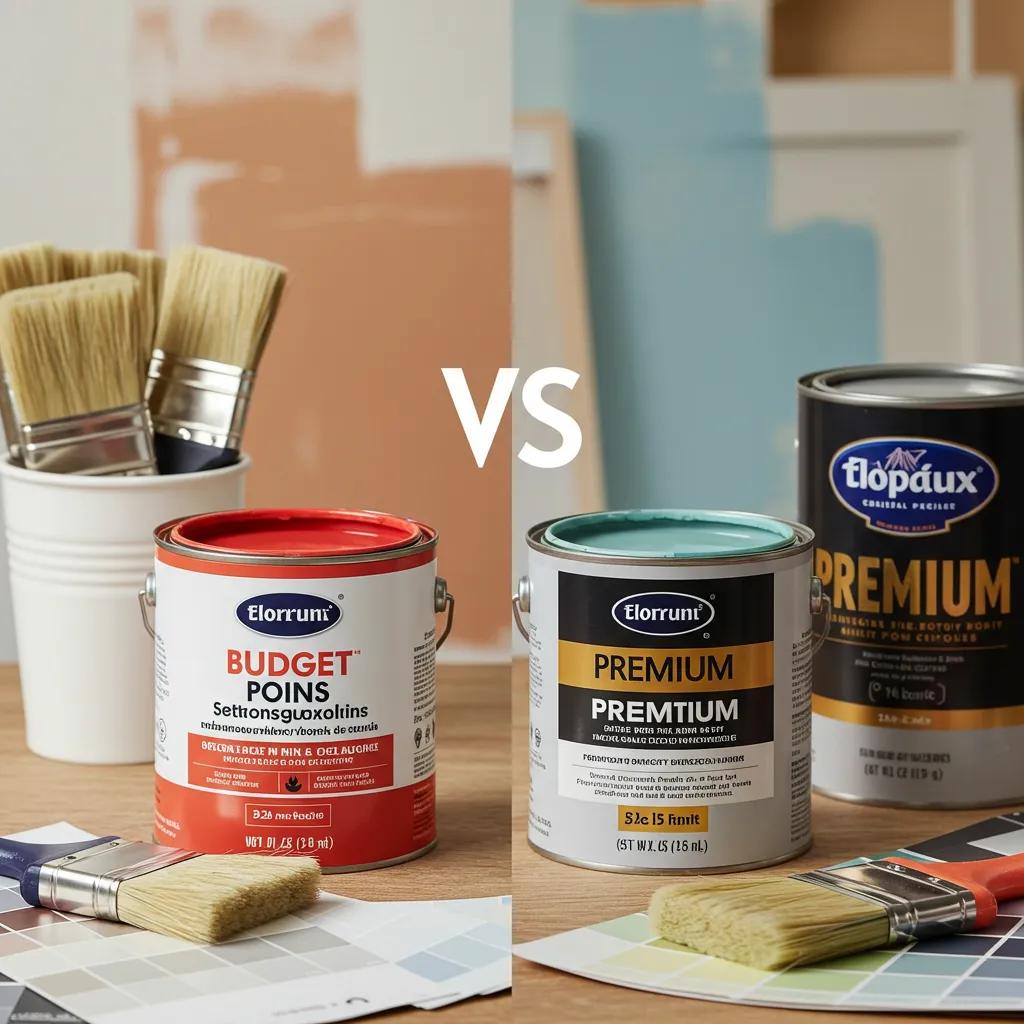
Choosing between budget and premium paint is a decision that affects upfront cost, long-term durability, and the frequency of repainting, and it’s one homeowners in Seacoast New Hampshire face every season. This guide explains the technical differences between budget and premium paint—how pigments, binders, and additives determine coverage and film performance—and gives practical rules for choosing the right product for interior and exterior projects. You will learn how paint composition translates into real outcomes like coats required, resistance to mildew and UV, and lifecycle cost-per-year so you can make a data-driven choice. The article also covers when budget paint is acceptable, how eco-friendly low-VOC options trade off performance and health benefits, and why professional application often matters more than the sticker price. Finally, we look at resale and curb-appeal considerations for Seacoast NH properties and show how professional processes amplify premium paint value and reduce long-term maintenance.
Budget paint and premium paint differ mainly in ingredient quality and formulation, which directly affects hiding power, adhesion, and long-term resistance to wear. Premium interior and exterior paints use higher pigment concentration and superior binders to form a stronger film, while budget paints rely on cheaper extenders and lower solids that reduce coverage and shorten useful lifespan. These formulation differences explain why premium products typically require fewer coats, deliver deeper color saturation, and maintain washability and UV resistance longer than budget alternatives. Understanding ingredient-level tradeoffs helps homeowners weigh upfront cost against labor, frequency of repaint, and long-term aesthetics for both interior rooms and coastal exteriors.
Pigments, binders, and additives are the technical levers that determine coverage and durability, and examining their practical effects makes the choice actionable for specific projects. The following table compares common, realistic values for premium versus budget formulations to clarify expected coats, lifespan, and cost-per-year for a typical exterior job.
This EAV-style comparison shows that although premium paints cost more per gallon, their higher coverage and longer lifespan often lower the annualized cost and reduce labor-related expenses. The next section explains the ingredient roles that cause these differences, starting with pigments, binders, and additives.

Pigments provide color and hiding power, binders form the continuous film that holds pigments to the surface, and additives tune properties like flow, mildew resistance, and UV stability. High-quality pigments increase opacity so fewer coats are required, while premium binders yield better adhesion and flexibility that resist cracking in freeze-thaw cycles. Additives such as mildewcides, UV stabilizers, and coalescing agents further improve long-term performance, especially on exterior surfaces exposed to harsh weather. Understanding these component roles explains why premium paint performs better: superior pigments reduce labor and time, stronger binders resist environmental stress, and tailored additives prevent common failure modes.
This technical understanding leads directly to measurable outcomes—coverage, coats required, and expected lifespan—which we examine next to quantify practical implications for homeowners.
Higher pigment-to-binder ratios and improved resin chemistry increase hiding power and film cohesion, which reduces the number of coats and the labor time per project. For example, premium formulations often cover 350–400 sq ft per gallon with strong hide in one or two coats, while budget paints typically need extra coats and touch-ups that raise labor costs. Durability metrics reflect these differences: premium exterior systems can last roughly 8–15 years, whereas budget systems often require repainting within 3–5 years, especially in high-UV or coastal environments. Fewer repaints mean lower lifetime cost and less disruption—an important factor when choosing paint for frequently used spaces or exposed exteriors.
Knowing coverage and durability tradeoffs helps homeowners calculate real lifecycle cost and decide whether the initial premium investment makes financial sense for their project.
Yes—often. Expensive paint is frequently worth the investment in New Hampshire because premium formulations resist UV fading, mildew, and the freeze-thaw cycles common to New England, thereby extending lifespan and lowering repaint frequency. Premium paints with flexible binders and mildew-resistant additives maintain adhesion during temperature swings, while higher solids and better pigments reduce the need for repeated coats after weather damage. For coastal homes, salt spray and humidity accelerate degradation of weaker coatings, so premium exterior systems are particularly valuable in Seacoast New Hampshire. Homeowners should weigh upfront cost against expected years between repainting and the labor cost of surface preparation and reapplication.
To decide quickly, consider these New England-specific factors that favor premium paints:
Handymasters Painting Co., a locally owned father-and-son team serving Seacoast New Hampshire (including Portsmouth, Dover, Durham, and Exeter) and extending into Massachusetts, emphasizes premium paint choice because it reduces long-term maintenance costs for area homes. They combine premium formulations with a documented 6-step process, are fully insured, and offer free estimates and consultations for homeowners evaluating long-term value. If you want a local assessment of whether premium paint is worth it for your property, contact Handymasters Painting Co. to schedule a free estimate and discuss long-term ROI for your home.
Premium paint withstands New England’s climate through a combination of flexible resins, mildewcides, and UV stabilizers that maintain film integrity during freeze-thaw cycles and resist biological growth in humid months. Flexible binders reduce cavitation and cracking when exterior materials expand and contract in temperature swings, while mildewcides protect against humidity-driven mildew and staining near the coast. UV stabilizers and high-quality pigments slow color fade on sun-exposed facades, preserving curb appeal longer than budget alternatives. Choosing a formulation rated for coastal or high-humidity environments is a practical way to extend exterior paint life in Seacoast NH.
These protective attributes reduce the frequency of costly repairs and repainting, which directly affects lifecycle cost and homeowner satisfaction.
Lifecycle cost analysis shows that premium paint often delivers a lower annual cost despite higher upfront price because it reduces repaint frequency and labor. Using conservative estimates—premium exterior lasting 10 years versus budget at 4 years—the annualized material cost and labor amortized over that period typically favor premium selection, especially when factoring professional application. For many exterior projects, the perceived ROI also comes from improved curb appeal that can influence buyer perception and maintenance signals. In the Seacoast NH market, a durable, high-quality exterior finish can reduce contingency concerns for buyers and preserve value between sales cycles.
Calculating ROI requires project-specific inputs, but a simple method divides total upfront cost by expected service years to get cost-per-year—a useful comparison for any homeowner evaluating premium versus budget paints.
Professional application amplifies the inherent advantages of premium paint because surface preparation, correct priming, and proper application technique ensure the product performs as intended. Professionals control substrate cleaning, repairs, adhesion promotion, and environmental conditions during application so the premium formulation can form a continuous, resilient film. Proper tools, consistent film thickness, and industry-standard drying windows reduce defects like blistering, orange peel, or sags that undermine longevity. In short, workmanship multiplies material quality and often has a greater impact on lifespan than the difference between two mid-range products.
Below is a clear explanation of a structured process professionals use to maximize premium paint benefits, followed by a short callout on professional consultation availability.
This numbered list outlines a 6-step approach commonly used to preserve the advantages of premium paint and reduce failure modes. The next paragraph explains why each step matters in practical terms.
Handymasters Painting Co. follows a documented 6-step process that aligns with these professional practices, ensuring premium paint choices deliver expected longevity. Their approach combines premium materials with careful prep and inspection, backed by free consultations to match product selection and process to the specific New England exposure on your property. Learn more about our painting services.
Each step of a 6-step professional process directly addresses common causes of paint failure: substrate instability, poor adhesion, moisture infiltration, and inadequate coverage. Repairing and stabilizing surfaces removes future stress points, while appropriate priming locks in adhesion and blocks stains that would otherwise migrate through topcoats. Controlled application techniques create uniform film thickness that cures predictably, and final inspection catches defects before they become systemic problems. When professionals follow a documented process, premium coatings can reach their full rated lifespan, reducing repaint frequency and lifecycle cost.
This emphasis on process explains why many homeowners see a lower total cost of ownership when they combine premium paint with experienced application.
Paint failure often results from technique and preparation rather than the product itself: improper surface prep, inadequate priming, and incorrect film thickness will cause peeling, blistering, and premature wear even with high-end coatings. Expert applicators prevent these failure modes by diagnosing substrate issues, selecting compatible primers and topcoats, and applying materials under optimal conditions. Professional teams also reduce rework and hidden labor costs associated with multiple touch-ups or complete repainting sooner than expected. In practice, the combination of quality product plus expert application yields the best long-term value for homeowners seeking durable, low-maintenance finishes.
Understanding this relationship helps homeowners prioritize investment in both product and professional labor rather than focusing narrowly on paint price alone.
Budget paint is suitable in scenarios where short-term cost control matters more than long-term durability, such as temporary fixes, rental properties with planned turnover, or low-traffic, low-visibility areas. Budget formulations can yield acceptable short-term aesthetics for infrequently touched walls or interim projects where lifespan expectations are modest. However, homeowners should account for hidden costs—additional coats, more frequent touch-ups, and greater likelihood of staining or fading—that can erode initial savings over a few years. Deciding when to use budget paint requires matching expected service life to the intended use of the space and planning primer or prep steps that mitigate common budget paint shortcomings.
To make an informed choice, consider the typical tradeoffs and prepare the surface correctly to get the best result from a budget product.
When using budget paint, apply a quality primer and accept that additional coats may be required; these practical steps help improve finish and extend useful life.
Budget paint’s lower solids and cheaper extenders typically lead to weaker hide, reduced washability, and quicker degradation under UV and humidity stress, which translates into higher lifetime labor costs for repainting. Lower opacity forces extra coats to achieve uniform coverage, increasing labor time and material consumption. Budget formulations also often lack robust mildewcides and UV stabilizers, accelerating color fade and staining in exposed or humid areas. These limitations mean that initial savings on materials can be offset by more frequent maintenance, touch-ups, and eventual full repainting.
Recognizing these hidden costs helps homeowners decide if the short-term savings are worth the likely medium-term maintenance burden.
Budget paint is reasonable when the expected service life of the coating aligns with the homeowner’s timeline, such as planned remodels, quick tenant turnovers, or non-critical aesthetic updates. Budget choices also make sense for areas with minimal exposure—closets, attics, or temporarily staged rooms—where long-term durability and washability are not priorities. To improve outcomes when using budget paint, pair it with a good-quality primer, allow full curing between coats, and control application conditions to get the best possible film from a lower-cost product.
These practical rules let homeowners use budget paint smartly while avoiding scenarios that will force premature repainting.
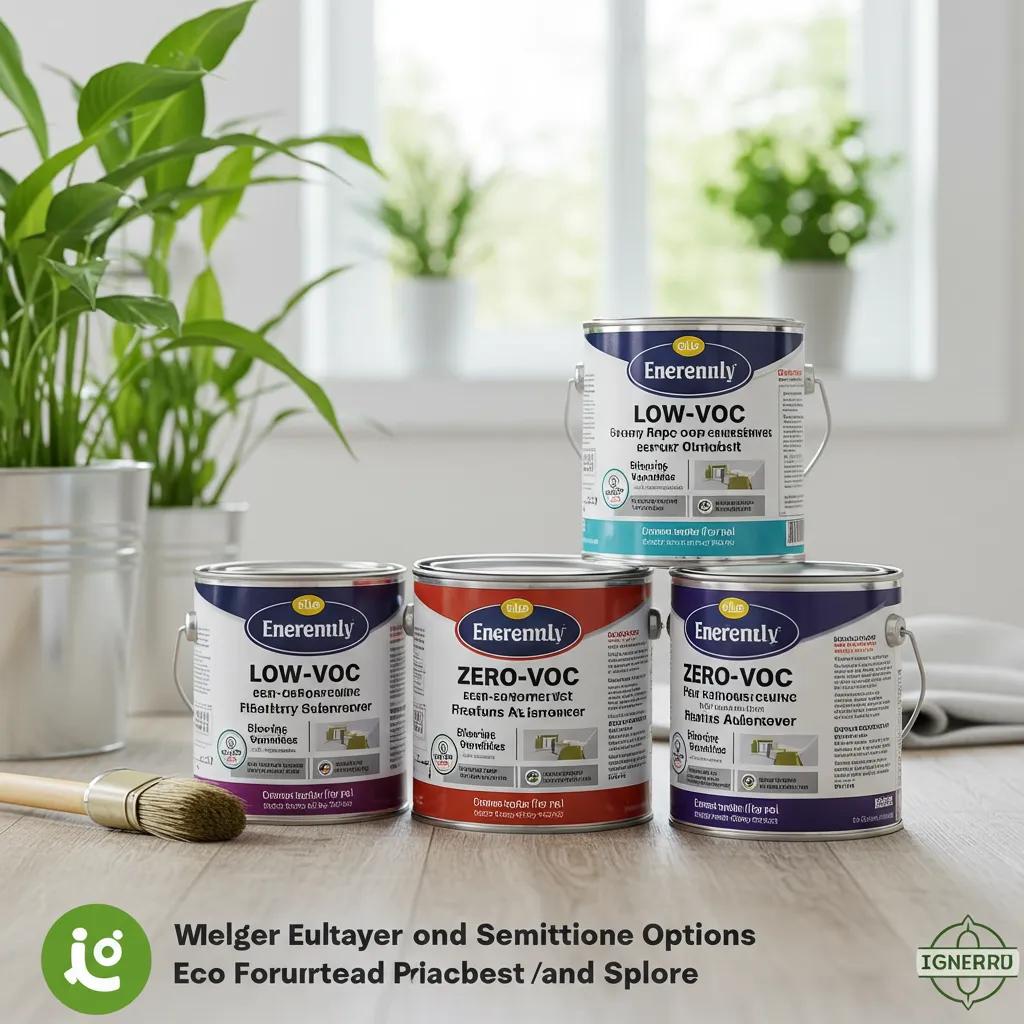
Eco-friendly paints—low-VOC and zero-VOC formulations—reduce indoor emissions and improve indoor air quality, but performance varies between premium and budget options. Premium low-VOC paints are formulated to match conventional premium performance, offering good coverage, durability, and washability while minimizing VOC emissions. Budget eco-friendly options reduce VOCs but may trade off coverage or require extra coats to achieve similar hide and durability. Choosing eco-friendly paint is especially important in spaces occupied by children, elderly, or medically sensitive individuals; in those scenarios, selecting a premium low-VOC formulation minimizes health impact without sacrificing long-term performance.
The following EAV-style table compares premium and budget eco options on health and performance attributes to help prioritize when indoor air quality drives the decision.
Low-VOC and zero-VOC paints reduce volatile organic compound emissions that can impair indoor air quality and cause irritation for sensitive occupants. For families, nurseries, and sensitive individuals, selecting low-VOC or zero-VOC products minimizes headaches, respiratory irritation, and odor during and after application. Regulatory trends and recent research emphasize indoor air quality as a public health consideration, and choosing eco-friendly paints supports healthier indoor environments while aligning with modern building standards. Prioritizing ventilation during application and allowing adequate cure time further reduces short-term exposure.
Understanding these health benefits helps homeowners prioritize eco attributes where occupant welfare outweighs marginal performance tradeoffs.
Premium eco-friendly paints are engineered to balance low emissions with strong binder chemistry and pigment load, offering durability and coverage comparable to non-eco premium alternatives. Budget eco formulations may cut costs by lowering solids or altering resins, which can mean more coats and somewhat reduced washability. In practice, premium low-VOC and zero-VOC options provide the best mix of health and performance for kitchens, bedrooms, and living areas where both air quality and long-term washability matter. When durability is paramount, select premium eco formulations and pair them with professional application to maximize lifespan.
Choosing the right eco-friendly paint is a tradeoff decision: prioritize premium eco products for health-sensitive spaces and consider budget eco options only where short-term cost constraints dominate.
High-quality paint improves perceived maintenance and curb appeal, which are key factors in buyer decisions and can influence offers in the Seacoast New Hampshire market. Premium finishes provide visual uniformity, fewer visible defects, and neutral color fidelity that reassure buyers about the property’s upkeep. Exterior projects—siding, trim, and front door—offer disproportionate resale impact relative to cost, while interior updates like fresh cabinet finishes and consistent trim paint improve staging outcomes. When sellers invest in premium paint plus professional application, they often reduce buyer concerns about deferred maintenance and increase listing attractiveness.
Below are targeted project recommendations and the reasoning behind why specific paint investments tend to yield the best market returns.
Real-world local results reinforce this reasoning: Handymasters Painting Co. has helped Seacoast homeowners choose premium systems and professional application to protect value and minimize maintenance calls between sales cycles. They cite documented outcomes from local projects—improved exterior longevity in coastal conditions and fewer mid-season touch-ups—demonstrating how premium paint plus the right process can preserve resale value. For homeowners preparing to sell or maintain market appeal, a professional color consultation and free estimate from Handymasters Painting Co. offers free consultations and estimates to help prioritize high-impact work.
Buyers prefer homes with premium paint finishes because such finishes reduce visible imperfections, suggest consistent maintenance, and minimize immediate cosmetic work after purchase. Even subtle differences in sheen uniformity and edge crispness communicate attention to detail, which builds buyer confidence in overall property care. Neutral, well-executed color choices and durable finishes limit the buyer’s perceived need for near-term upgrades and can make showings more effective. These psychological and practical impressions often translate into stronger interest and fewer negotiation deductions related to perceived future maintenance.
Recognizing buyer psychology clarifies why targeted paint investments, executed well, can deliver outsized market benefits.
Quality paint increases market appeal by focusing resources on visible, high-impact areas that buyers evaluate first: exterior siding and trim, entryway, kitchen cabinetry, and main living spaces. A strategic project plan that uses premium products and professional application concentrates investment where it most influences offers, while neutral palettes simplify buyer visualization. Implementing a color consultation, selecting durable finishes for high-traffic zones, and prioritizing exterior work in coastal areas provide a clear checklist for sellers. Taking these steps ensures the paint investment supports both practical protection and immediate marketability.
If you want tailored recommendations for which projects will most increase your home’s appeal in Seacoast New Hampshire, Handymasters Painting Co. offers free consultations and estimates to help prioritize work and align paint choices with local buyer expectations.
When deciding between budget and premium paint, consider factors such as the intended use of the space, expected lifespan, and maintenance requirements. Budget paint may be suitable for low-traffic areas or temporary projects, while premium paint is ideal for high-visibility spaces that require durability and longevity. Additionally, evaluate the cost of labor and the number of coats needed, as premium paints often cover better and last longer, potentially saving you money in the long run.
To achieve the best results with budget paint, proper surface preparation is crucial. Start by cleaning the surface thoroughly and repairing any damage. Using a quality primer can enhance adhesion and coverage, reducing the number of coats needed. Additionally, apply the paint under optimal conditions, allowing adequate drying time between coats. These steps can help mitigate some of the limitations of budget paint, such as reduced washability and durability.
Yes, premium eco-friendly paints, such as low-VOC and zero-VOC options, are designed to provide excellent performance while minimizing harmful emissions. These formulations often match the durability and coverage of traditional premium paints, making them suitable for high-traffic areas. When selecting eco-friendly options, look for products that maintain high pigment loads and robust binder chemistry to ensure long-lasting results without compromising indoor air quality.
Paint quality significantly impacts indoor air quality, particularly with regard to volatile organic compounds (VOCs). High-quality paints, especially low-VOC and zero-VOC options, emit fewer harmful chemicals, reducing the risk of respiratory issues and other health concerns. Choosing premium paints can help maintain a healthier indoor environment, especially in homes with children, elderly residents, or individuals with sensitivities. Proper ventilation during application further enhances air quality by minimizing exposure to any remaining fumes.
Investing in professional paint application can yield significant long-term benefits, including enhanced durability and reduced maintenance costs. Professionals ensure proper surface preparation, optimal application techniques, and adherence to manufacturer specifications, which can prevent common issues like peeling and blistering. This expertise maximizes the performance of premium paints, extending their lifespan and maintaining aesthetic appeal, ultimately leading to lower total ownership costs over time.
To assess the ROI for your paint project, calculate the total cost of the paint and application divided by the expected lifespan of the finish. This cost-per-year metric helps you compare budget versus premium options effectively. Additionally, consider the potential increase in property value and curb appeal, especially in competitive markets like Seacoast New Hampshire. A well-executed paint job can enhance buyer perception and reduce future maintenance concerns, contributing to a favorable ROI.
Choosing eco-friendly paint is advisable when indoor air quality is a priority, particularly in spaces occupied by sensitive individuals, such as children or the elderly. If you are renovating a home or planning to stay in a space long-term, investing in premium low-VOC or zero-VOC paints can provide both health benefits and durability. Additionally, if you are concerned about environmental impact, eco-friendly options align with sustainable practices while still delivering quality performance.
Choosing between budget and premium paint significantly impacts your home’s long-term value, durability, and maintenance costs. Premium paints not only provide superior coverage and longevity but also enhance curb appeal, making your property more attractive to potential buyers. By investing in quality paint and professional application, homeowners can enjoy reduced repainting frequency and improved aesthetics over time. For tailored advice on maximizing your paint investment, contact Handymasters Painting Co. for a free consultation today.