
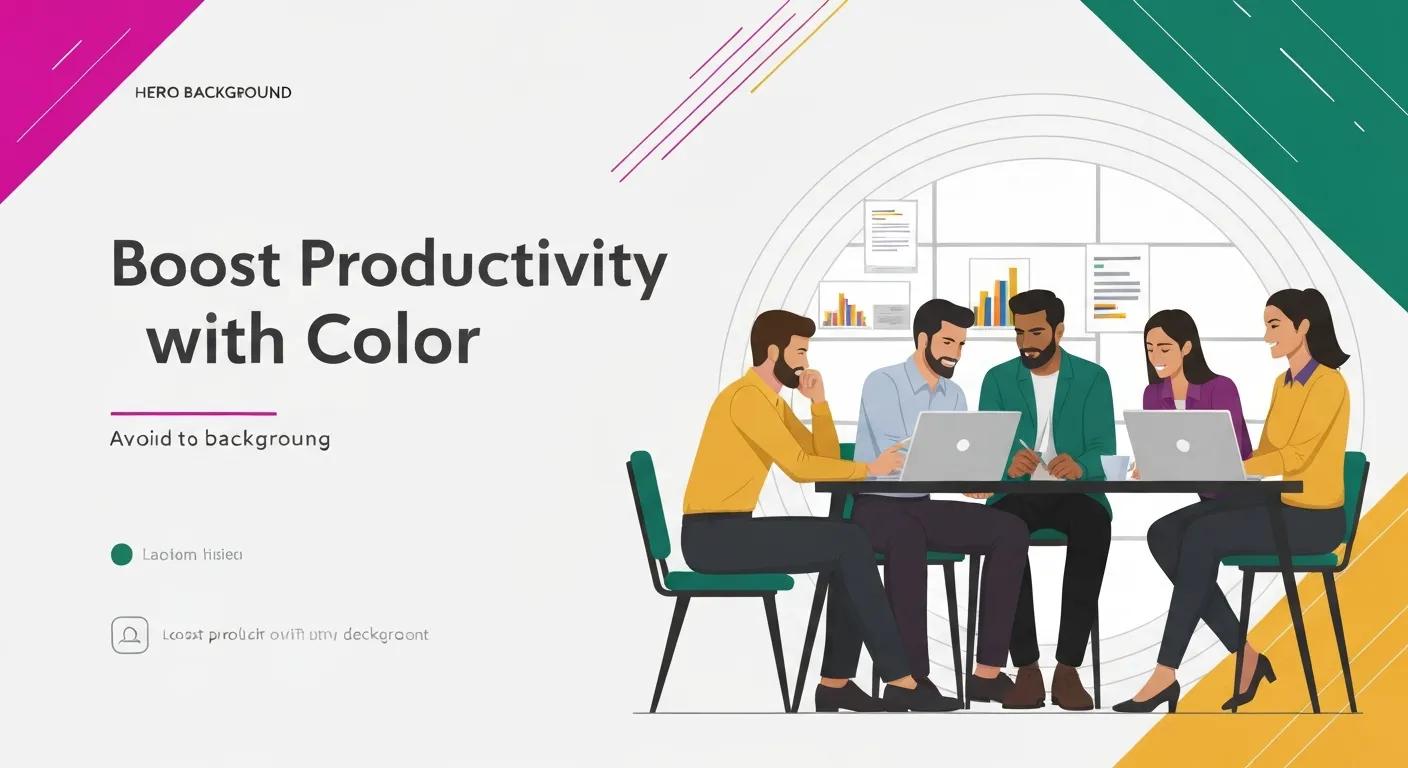
Choosing paint for a home office is about more than aesthetics; color psychology studies how hues influence attention, mood, and cognitive performance, and those effects directly shape remote work outcomes. This article explains the mechanisms by which color affects focus and creativity, offers Durham-specific recommendations for home office painting, and outlines practical steps to test and implement palettes in local homes. Many Durham homeowners struggle with distraction, eye strain, or low energy while working from home, and targeted paint choices can reduce stress and improve sustained attention. You will learn which color families support focused work versus creative tasks, how lighting and finishes alter perception, and how to combine accents and ergonomics for a more productive workspace. The guide also shows where a professional color consultation and interior painting service fits into the process for homeowners who prefer expert guidance.
Color psychology is the study of how color perception triggers emotional and cognitive responses that influence behavior and performance. It works through visual processing pathways and learned associations, altering arousal levels, attention span, and mood regulation—factors that together affect task persistence and accuracy. Recent studies and practitioner reports indicate that cool tones often lower anxiety and improve concentration, while certain warm tones increase energy and creative ideation. Understanding these mechanisms lets homeowners design a workspace that supports the primary type of work they perform, whether sustained analytical focus or intermittent creative brainstorming.
Psychological Influences of Color, Lighting, and Form in Offices for Productivity
Poursafar, Zahra;Sriram, K V;Rodrigues, Lewlyn L R;Devi, Nandineni Rama.Calitatea: Acces la Success; BucharestVol. 20, Iss. 168,(Feb 2019): 154-160.
Evaluation of psychological influences of colour, lighting and form in office buildings for enhancing productivity, Z Poursafar, 2019
Different color families reliably produce distinct psychological effects relevant to home work. Blue hues tend to calm the nervous system and narrow attentional scope, which supports tasks requiring concentration and detail orientation. Green shades connect to restorative perception and reduce visual fatigue, helping with prolonged reading or design work. Yellow increases arousal and divergent thinking, making it useful for short bursts of ideation but risky if overused across an entire room. Neutrals, including warm beiges and cool grays, reduce distraction and create a stable visual field that anchors furniture and equipment. These effects are mediated by light level and saturation, so placement (accent wall versus full room) matters for performance outcomes.
Warm colors (yellow, orange, warm red) raise physiological arousal and can stimulate creativity and energy, which benefits brainstorming or short, high-energy tasks. Cool colors (blue, green) lower arousal and support sustained attention, systematic problem solving, and reduced anxiety during focused work. Balance matters: excessive warmth can be overstimulating and impair concentration, while too much coolness can feel isolating or lethargic for creative roles. Using warm accents against cool field colors—or combining cool walls with warm wood tones—creates a dynamic equilibrium that supports both focus and occasional creative spikes.
Psychological Factors Influencing Visual Performance of Painting Colors
Visual performance of painting colors based on psychological factors
Visual performance of painting colors based on psychological factors, 2022
For Durham home office painting, prioritize color choices that match task demands and local light conditions; natural daylight in Durham homes often has a cool bias in north-facing rooms, which affects perceived hue and saturation. Blue for focused tasks, green for visual comfort and balance, yellow as an accent for creative prompts, and neutrals to reduce visual noise make a reliable palette set. Professional color consultation and interior painting services—such as tailored palette selection and sample-testing—help homeowners implement recommended combinations and adjust for Durham-specific lighting and architecture. Below is a quick reference comparing common choices and practical cautions.
Different paint colors produce predictable cognitive effects and placement guidelines for home offices.
This table helps match color choice to the intended work behavior and highlights common cautions when applying each family.
Blue influences attentional narrowing and physiological calm through both cultural associations and measurable reductions in sympathetic arousal, which helps with analytic tasks and error reduction. In practice, mid-tones and desaturated blues serve best for full-room treatments, while deeper navy can anchor a focal wall paired with warm trim to avoid a cold feel. Test blue samples at different times of day in your Durham home to observe shifts under morning and evening light; directional light and window orientation change saturation and perceived warmth. Blue pairs well with matte or eggshell finishes to minimize glare for monitors and printed materials.
Color consultation and professional interior painting translate color psychology into measurable productivity improvements by diagnosing workspace needs, testing palettes in situ, and ensuring high-quality application that preserves intended effects. A local consultant assesses room function, lighting, and homeowner work habits, recommends palette options tailored to tasks, and oversees implementation to avoid issues like glare or poor contrast. The process reduces decision friction for homeowners while ensuring that color choices are optimized for both psychological impact and practical durability in a residence.
Durham Pro Painters offers local interior painting and color consultation services in Durham, NH, combining on-site palette testing and professional painting tailored to home office needs. For a homeowner seeking expert help, Durham Pro Painters can provide sample applications, finalize a palette suited to room orientation, and complete the painting with attention to finish and sheen appropriate for workstations. Contacting a local provider makes it easier to test colors under Durham-specific light conditions and schedule follow-up adjustments when needed.
Home Office Design’s Impact on Stress, Happiness, and Productivity for Working Mothers
This study explores how the home working environment can help reduce stress, increase productivity, and support happiness for remote working mothers within a home office environment aiding in their overall well-being. In response to COVID-19, many workers have transitioned to working from home to maintain safety. This study aims to help examine the impacts of home office design on working mothers with respect to stress reduction, happiness, and productivity. The researcher conducted face-to-face virtual interviews and the results were analyzed by creating categories and themes out of the rich descriptions to understand working mothers’ experiences in their home office environment through a phenomenological qualitative data framework. A discussion of the findings from the interviewees’ responses answered the research questions for this study.
An Exploration of Home Office Design and Its Effect on Stress Reduction, Happiness, and Productivity for Working Mothers’ Well-being during COVID-19, 2021
A typical professional consultation begins with an assessment of the intended tasks, room dimensions, lighting, and ergonomics to define objectives and constraints. The consultant presents curated palettes and provides physical swatches or sample patches applied on-site to observe color at multiple times of day. After selection, the service schedules painting with recommended finishes (matte for walls, satin for trim) and ensures high-quality prep and application to maintain color fidelity and minimize rework. Final follow-up verifies that the installed scheme supports productivity goals and suggests minor adjustments like accent placement or trim color if required.
This service-step table clarifies how each phase links to measurable productivity benefits in a home office project.
Working with local painters brings advantages such as familiarity with regional home styles, typical window orientations, and seasonal light shifts that affect color perception and performance. Local providers can schedule in-person sample testing more quickly, offer guidance grounded in knowledge of Durham homes, and provide faster follow-up if a color reads differently once furniture and equipment are in place. Choosing a neighbor-based service also helps align aesthetic choices with community norms and resale considerations while reducing logistical friction for on-site visits and touch-ups.
Paint color interacts with several design factors—lighting, finish, ergonomics, and accents—that collectively shape visual comfort and cognitive performance in a home office. Addressing these elements alongside color selection creates a resilient, productivity-oriented workspace rather than relying on paint alone.
Lighting changes how paint is perceived: cool daylight emphasizes blue undertones, while warm artificial bulbs can shift neutrals toward yellow or orange. Test swatches under the room’s dominant light sources and at different times—morning, midday, and evening—to observe hue shifts that impact mood and focus. Consider bulbs with color temperatures aligned to task: cooler (4000K–5000K) for concentration and warmer (2700K–3000K) for relaxation zones. Simple sample testing reduces misjudgment and ensures installed color supports intended cognitive effects.
Accent colors, textiles, and material choices reinforce or offset the primary wall color to shape attention and comfort; for instance, a blue field wall paired with warm wood furnishings can prevent a space from feeling too cool while preserving focus-enhancing benefits. Textured rugs and soft fabrics reduce reverberation and visual clutter, which supports cognitive clarity. Small decor strategies—contrasting trim, focused artwork, and desk accessories in energizing hues—can create task cues and micro-break opportunities that improve overall sustained performance.
To test paint colors effectively, apply two-inch sample patches directly on the walls of your home office. Observe these patches at different times of day to see how natural and artificial lighting affects their appearance. It’s essential to view the samples under your typical task lighting to ensure they align with your work environment. This method helps you avoid misjudgments and ensures that the chosen color supports your intended mood and productivity levels.
Furniture placement significantly impacts productivity by influencing ergonomics and the overall flow of the workspace. Proper desk height and monitor placement can reduce physical fatigue and enhance focus. Additionally, arranging furniture to minimize distractions and optimize natural light can create a more conducive environment for sustained attention. Consider the layout carefully to ensure that it supports your work habits and allows for easy movement and access to necessary tools and resources.
Yes, certain color combinations can enhance productivity in home offices. For instance, pairing calming blue walls with warm wood accents can create a balanced environment that promotes focus while preventing a cold atmosphere. Similarly, using green for visual comfort alongside neutral tones can help reduce distractions. It’s essential to consider the psychological effects of colors and how they interact with each other to create a harmonious workspace that supports both focus and creativity.
The finish of paint plays a crucial role in productivity by influencing glare and readability. Matte finishes are ideal for walls as they minimize glare from screens and printed materials, making it easier to focus on tasks. In contrast, satin or eggshell finishes can be used on trim for durability while still providing a soft sheen. Choosing the right finish helps create a comfortable visual environment that supports sustained attention and reduces eye strain during long work sessions.
Hiring a local color consultant offers several benefits, including personalized recommendations based on your specific workspace needs and local lighting conditions. A consultant can assess your room’s function, suggest palettes tailored to your tasks, and oversee the application process to ensure high-quality results. This expertise helps reduce decision fatigue and ensures that your color choices are optimized for both aesthetic appeal and productivity, ultimately creating a more effective work environment.
Yes, accent colors can significantly impact productivity levels by reinforcing or offsetting the primary wall color. For example, using energizing hues in decor or accessories can create task cues that enhance focus during work sessions. However, it’s essential to use accent colors sparingly to avoid overstimulation. Coordinating textures and saturation levels with the primary color can also help maintain a balanced environment that supports cognitive clarity and comfort.
To create a balanced workspace that supports both focus and creativity, consider using a combination of cool and warm colors. For instance, a cool blue or green base can promote concentration, while warm accents in yellow or orange can stimulate creativity. Additionally, incorporating ergonomic furniture, adequate lighting, and thoughtful decor can enhance the overall environment. This approach ensures that your workspace is versatile enough to accommodate different types of tasks while maintaining a productive atmosphere.
Utilizing color psychology in your home office can significantly enhance productivity by influencing mood and focus. By selecting the right hues, such as calming blues for concentration or energizing yellows for creativity, you can create a workspace that meets your specific needs. Engaging with local professionals for color consultation ensures that your choices are tailored to your environment and work habits. Start transforming your home office today by exploring our expert painting services and color consultation options.