
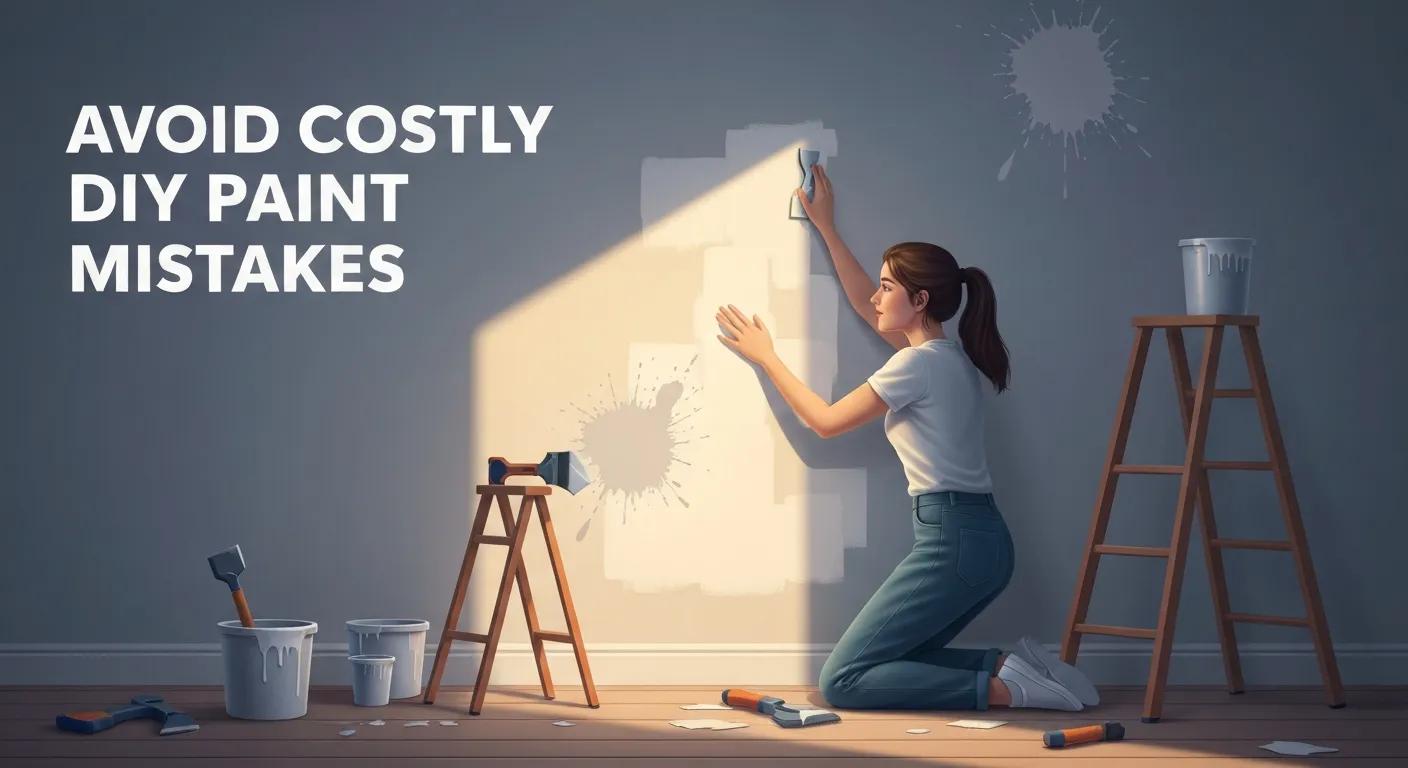
Painting a room sounds cheap until a tiny skipped step turns a weekend project into a full redo, which is why the “$50 mistake” is notorious among Dover homeowners. The $50 mistake is skipping proper surface preparation — a small upfront savings that undermines adhesion and causes peeling, drips, and visible failures. This article shows why that single shortcut creates outsized repair costs, how to spot the failure modes, and practical fixes you can use immediately. You will also get a compact checklist of the most common DIY painting mistakes, cost comparisons for DIY versus professional rework, and clear guidance on when local pros make financial sense. Read on to learn the mechanism behind the failure, quick remediation steps for paint drips and primer issues, and what to ask a professional painter in Dover, NH if you decide to hire help.
The $50 mistake is shortchanging surface preparation — skipping cleaning, light sanding, or a quality primer — which undermines paint adhesion and finish durability. When contaminants, chalky old paint, or glossy surfaces remain, new paint cannot chemically or mechanically bond, so it blisters, peels, or develops runs shortly after drying. The result is visible failure that forces sanding, priming, and repainting — often costing far more than the initial “savings.” Understanding this mechanism shows why investing minutes in prep prevents hours of rework and higher materials or labor costs later.
Paint adheres by bonding to a clean, slightly roughened surface; dirt, grease, chalk, or old glossy coatings block that bond and cause separation. In Dover, seasonal humidity can leave residues that accelerate adhesion failure, so cleaning and deglossing matter more here than in drier climates. A quick protocol — wash with mild detergent, sand glossy spots, and remove sanding dust — restores bonding surfaces and prevents flaking. Proper prep is small work up front that cuts the chance of a full recoat, saving time and eliminating the need for scraping and deep repairs.
A failed adhesion job forces homeowners to strip or sand affected areas, buy extra primer and paint, and invest hours to redo work, which adds up quickly. Material waste (extra paint, replaced caulk, new rollers) and the lost weekend hours are direct costs, while disrupted schedules and potential need for professional repair inflate the total. For many Dover homes, especially older houses with textured trim or seasonal moisture exposure, a single room recoat after failure can easily exceed simple prep costs by several times. Preventing the mistake means avoiding repeat purchases, extra labor, and the aesthetic cost of uneven finishes.
Surface prep errors are the single biggest failure, but several other common mistakes routinely degrade DIY results. Below is a compact quick-reference table to help identify issues and immediate fixes before they become larger problems. The table focuses on symptoms you’ll see on walls and trim, paired with affordable fixes you can apply the same day.
This table helps you spot the most frequent problems and take immediate steps to limit damage. Use these quick fixes to contain a failure; the next section explains how to address drips and streaks step-by-step.
Small drips are fixable with a patient stepped approach: allow the paint to harden fully, then sand the area with fine-grit paper until smooth. After sanding, feather the edges to blend into surrounding finish, apply primer to sealed bare spots, and repaint with thin, even coats while maintaining wet edges. Tools to keep on hand include a fine sanding sponge, a small touch-up brush, and a sanding block or scraper for larger runs. These steps prevent patchy sheen and make touch-ups nearly invisible when done carefully.
Primer seals porous surfaces, blocks stains, and creates a consistent substrate for topcoat adhesion; skipping it leaves paint vulnerable to bleeding and poor durability. Similarly, low-quality brushes and rollers shed lint, create streaks, and require more coats to achieve uniform coverage, so perceived savings are often negated by inferior results. Choosing the right primer type for the surface (stain-blocking for tannin-rich wood, bonding primer for glossy surfaces) and using appropriate roller naps will dramatically improve finish quality. Investing in these basics reduces the chance of rework and delivers a cleaner, longer-lasting finish.
A failed DIY paint job carries direct material replacement costs and indirect time and opportunity costs that compound quickly. Typical remediation for localized failures (sanding, primer, touch-up paint) can cost homeowners in wasted materials and a weekend of labor, while a full room redo after failure multiplies those costs by labor hours and additional paint. The following table compares common DIY mistakes with typical remediation steps and estimated cost/time ranges to illustrate why the “$50 mistake” is actually far costlier.
This comparison shows that a skipped prep step intended to save under $50 often triggers larger expenses and lost free time. Investing properly up front prevents cascading costs and preserves the look and value of your home.
Beyond direct purchases, hidden costs include lost weekends, interrupted family time, and the need to repeatedly buy small quantities of touch-up paint that never match perfectly. Poor finishes can reduce perceived home value when showing a property, or force cosmetic fixes before selling, which translates to opportunity cost. Emotional cost — frustration and the stress of unfinished projects — also matters, and those non-monetary impacts often make hiring help more attractive. Recognizing these hidden costs helps homeowners make a pragmatic choice between redoing work themselves or calling in professional assistance.
Hiring a local professional painting service in Dover, NH often reduces total lifetime costs by ensuring thorough surface preparation, correct primer selection, and efficient application that avoids rework. Professionals bring the right tools, materials, and seasonal know-how to mitigate Dover-specific issues like humidity and older trim substrates, which extends finish life. For many homeowners, a single guaranteed job that prevents repeated touch-ups will be less costly over time than multiple DIY attempts. If you prefer to avoid repeated rework, consider a local pro who emphasizes quality prep and offers free estimates for accurate decision-making.
Yes — hiring a professional is often the cost-effective choice for avoiding the $50 mistake and its knock-on effects. Professionals deliver consistent surface prep, correct primer selection, and application techniques that maximize adhesion and finish longevity, which lowers maintenance frequency and long-term costs. Local painters understand Dover’s seasonal timing and humidity patterns and can schedule work to minimize moisture-related problems. Below is a practical checklist of what to verify when selecting a pro and why each item matters.
When evaluating painters, confirm these essentials to ensure durable results:
These selection criteria protect homeowners from superficial bids that skip the prep steps that cause failures. Asking for written details about included primer and surface preparation will reveal which providers prioritize long-term value.
Local experts know when to paint in Dover to avoid humidity spikes and how to handle common regional substrates like older wood trim and clapboard, preserving adhesion and appearance. They select primers and paints that perform well in New England climate cycles and use application techniques suited to local textures and architectural details. Scheduling, seasonal sequencing, and surface-specific methods reduce the chance of the $50 mistake recurring. For Dover homeowners who value durability and minimal maintenance, hiring a local pro who emphasizes thorough prep and offers free estimates often pays off in fewer callbacks and better long-term finish performance.
For Dover homeowners concerned about wasted weekends or repeated touch-ups, a local professional approach that emphasizes prep and guarantees results can be the most economical choice. Many local painting services highlight free estimates and quality materials as core benefits, making it easy to compare true costs before committing to a DIY redo.
Signs that you may need to hire a professional painter include persistent issues with paint peeling, flaking, or bubbling, which indicate poor adhesion. If you find yourself repeatedly touching up areas or if the finish looks uneven, it may be time to consult a professional. Additionally, if you lack the time or tools for proper surface preparation, hiring an expert can save you from costly mistakes and ensure a high-quality finish that lasts longer.
Choosing the right paint involves considering the surface type, desired finish, and environmental factors. For example, use a stain-blocking primer for wood surfaces and a moisture-resistant paint in humid areas. Additionally, consider the sheen level; flat finishes hide imperfections, while semi-gloss is easier to clean. Always test samples on your walls to see how they look in different lighting before making a final decision. Consulting with a local expert can also provide tailored recommendations based on your specific needs.
Essential tools for a successful DIY painting project include high-quality brushes and rollers, painter’s tape, drop cloths, and a sturdy ladder. A paint tray and a roller extension pole can help reach high areas without straining. Additionally, having a fine sanding sponge, a putty knife for patching, and a primer suitable for your surface will ensure a smooth application. Investing in the right tools can significantly improve the quality of your work and reduce the likelihood of mistakes.
Preparing your walls before painting is crucial for achieving a professional finish. Start by cleaning the surface to remove dust, grease, and old paint residues. Lightly sand glossy areas to promote adhesion, and fill any holes or cracks with spackle. After sanding, wipe down the walls to remove dust particles. Finally, apply a suitable primer to create a uniform surface for the paint. Proper preparation can prevent common issues like peeling and uneven coverage.
If you notice paint drips after painting, allow the paint to dry completely before addressing the issue. Once dry, use fine-grit sandpaper to gently sand the drips until smooth. Feather the edges to blend with the surrounding area, then apply a primer to any bare spots. Finally, repaint the area with thin, even coats to achieve a seamless finish. Taking these steps can help you correct drips without needing to repaint the entire wall.
To avoid the $50 mistake, prioritize thorough surface preparation before applying paint. This includes cleaning, sanding, and using the right primer for your surface. Invest in quality tools and materials, as they can significantly impact the final result. Additionally, take your time to follow proper application techniques, such as maintaining wet edges and applying multiple thin coats. By focusing on these steps, you can prevent costly rework and achieve a durable, professional-looking finish.
Hiring a local professional painter offers several benefits, including expertise in local climate conditions and knowledge of the best materials for your area. Professionals ensure thorough surface preparation, correct primer selection, and efficient application techniques that minimize the risk of common DIY mistakes. Additionally, they can provide warranties on their work, giving you peace of mind. Ultimately, investing in professional services can save you time, reduce stress, and lead to a higher-quality finish that lasts longer.
By prioritizing proper surface preparation, Dover homeowners can avoid the costly $50 mistake that leads to peeling and flaking paint. Understanding the importance of quality tools and techniques reinforces the value of investing time upfront to save money and frustration later. For those looking to ensure a flawless finish, considering professional painting services can provide peace of mind and long-lasting results. Explore your options today to achieve the beautiful, durable paint job your home deserves.