
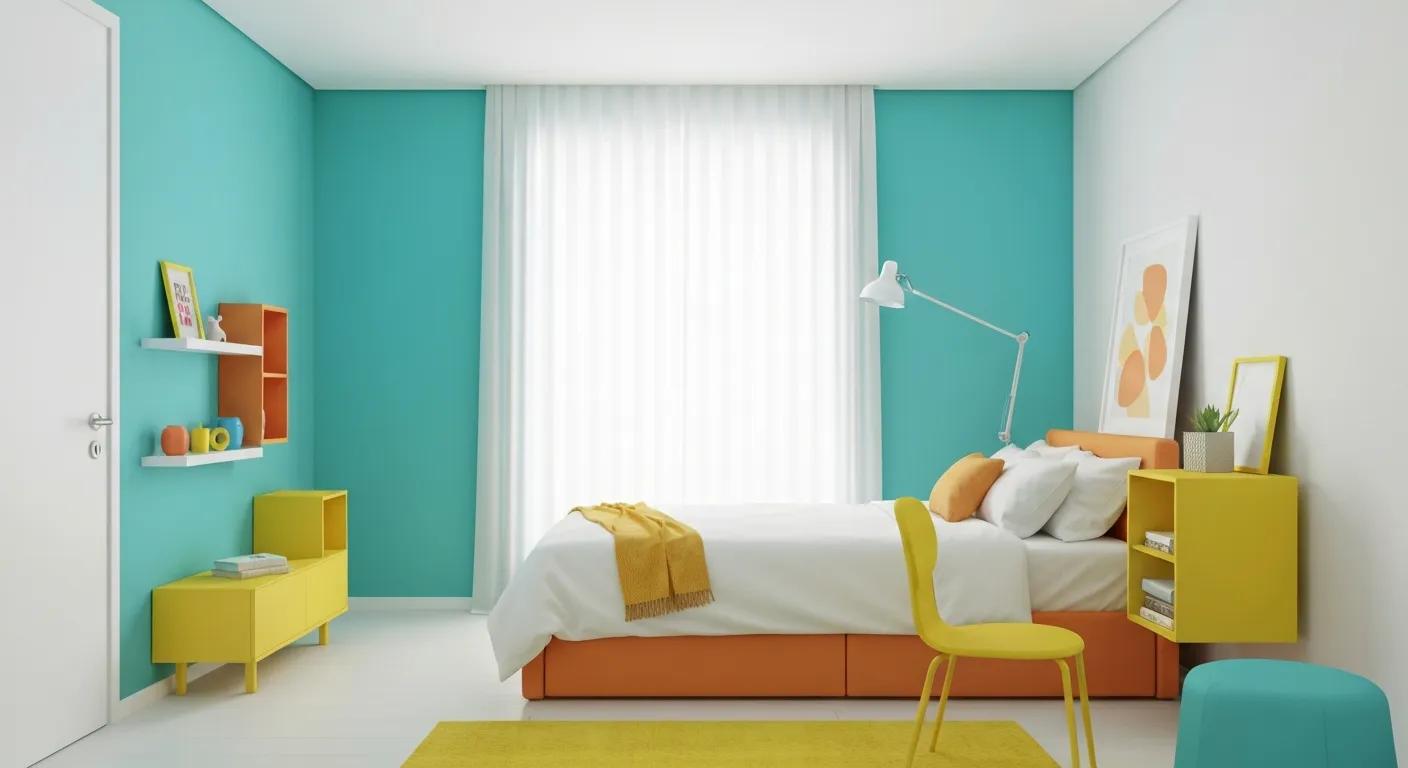
Small rooms in Durham can feel cramped, but the real secret weapon is a coordinated approach: paint colors that reflect light, interior design tricks that preserve visual flow, and staging choices that remove clutter and create perceived depth. This article explains how light-reflective paints, monochromatic schemes, mirrors, scaled furniture, vertical storage, and layered lighting work together to make tiny rooms feel larger and more usable. You’ll learn which color families perform best in north- and south-facing Durham rooms, practical monochrome setups that avoid flatness, furniture and mirror placement that increases perceived square footage, and quick staging edits that improve appeal. Each section offers actionable steps, short lists for fast scanning, and comparative EAV tables to help you choose paints, furniture types, and lighting/storage solutions for compact Durham homes. If you want a hands-off option, the article also points to local staging, painting, and color consultation options in Durham and when a professional consult speeds the transformation.
Light, cool, and soft neutral paint colors make small rooms look larger by increasing light reflection and reducing visual boundaries between surfaces. The mechanism is simple: higher reflected light and low-contrast transitions create a continuous visual field, so walls recede and rooms feel deeper. This section lists practical color groups, explains how room orientation in Durham affects choice, and shows sheen and finish considerations that amplify perceived space. Use the short guidance here to test samples at different times of day before committing.
Light neutrals—warm whites, soft creams, and very pale beiges—work because they bounce daylight while maintaining a welcoming mood in Durham homes with limited southern exposure. Pale blues and soft greens add a cool, recessive quality that helps north-facing rooms feel airier without appearing stark, while light grays offer a modern, subtle backdrop for layered textures. Try painting a 1×1-foot sample near a window and observe it at morning and evening light to see reflectivity and undertone shift. Matching ceiling near-white tones to wall colors can lift perceived height, and choosing eggshell or satin sheens yields modest reflection without glare.
A monochromatic scheme uses one hue across walls, trim, and major upholstery to create uninterrupted visual flow that enlarges perceived space. The mechanism is continuity: fewer contrasting edges mean fewer visual stops, so sightlines feel longer and rooms read as larger. Implement a three-tone approach—light base walls, medium accent on cabinetry or a single wall, and darker accessories—to preserve depth while maintaining unity. Use varied textures (matte walls, satin trim, woven fabrics) to avoid flatness; small-scale pattern accents maintain interest without breaking the calm flow.
This table compares color groups by reflectivity, ideal uses, and the mood they create to help Durham homeowners pick a starting palette. Use swatches and small test patches to confirm undertones in your specific light.
Interior design tricks beyond paint—mirrors, scaled furniture, and strategic layouts—change perception by manipulating light, depth, and negative space. These tactics reduce visual clutter and create circulation paths that feel larger than the measured floor area. Below are high-impact tricks that are easy to implement in Durham homes with typical room shapes and window placements. Apply one or two at a time to see measurable difference.
Mirrors amplify existing light and create virtual depth by reflecting the far side of a room, making walls seem farther apart and windows appear larger. Place a large mirror opposite or adjacent to a window to double the incoming daylight, or mount a full-length mirror at the end of a short hallway to create a sense of extension. Choose frameless or thin-framed mirrors for a contemporary, unobtrusive look; oversized statement mirrors work if balanced with minimal accessories. Keep mirror placement natural to room lines to avoid awkward reflections that break visual flow.
Furniture that shows floor beneath it—legged sofas, open-base coffee tables, and slim console tables—preserves sightlines and makes rooms read as more spacious. Multi-functional pieces, such as benches with hidden storage or nesting tables, reduce the number of large items while preserving function. Scale matters: choose narrower profiles and avoid overstuffed silhouettes; select neutral upholstery that blends with wall tones for a monochromatic effect. Anchoring the layout with a single focal piece and leaving one clear circulation path helps rooms feel organized and larger.
This comparison highlights furniture types that maintain openness while delivering functionality for compact Durham interiors.
Home staging purposefully edits belongings, adjusts layouts, and selects neutral palettes to highlight scale and light, creating rooms that photograph and show as larger. The mechanism is perception management: staging reduces distractions and frames the room’s best angles to increase perceived square footage. Staging typically accelerates buyer interest, improves photo quality for listings, and increases perceived value when done with light, neutral palettes and minimal accessories.
Effective decluttering removes excess furniture, clears counters and windowsills, and stores seasonal or rarely used items to open sightlines immediately. A quick 15–30 minute plan: remove nonessential items from visible surfaces, relocate oversized pieces to storage, and group decor into purposeful vignettes of three to five objects only. Use the one-third rule for edits—display one-third, store one-third, donate one-third—to maintain livability without crowding. These edits increase perceived floor area immediately and create a calmer backdrop for paint and furniture choices.
Local staging pros assess a room’s scale and light, suggest focused edits, and often provide rental furniture or reposition existing pieces for maximum visual impact; they tailor approaches to Durham’s common home layouts and buyer expectations. Hiring a local stager or color consultant can speed the process and ensure choices photograph well for online listings, while professional painting services handle color application and finish consistency. For homeowners who prefer a hands-off route, contacting local staging, painting, or interior-design professionals in Durham to schedule a consult can convert DIY time into a quicker, higher-impact transformation.
Staged rooms sell faster and often command higher interest because they present cohesive, light-filled spaces that buyers perceive as more functional.
Vertical storage and layered lighting reclaim floor area while increasing perceived volume through height emphasis and depth cues. Using walls for storage and shifting fixtures upward opens floor space and produces layered illumination that creates depth and usable zones. This section lists top vertical storage types and lighting tactics, explains installation complexity, and gives quick DIY vs. pro guidance for common Durham homes.
Floating shelves, tall bookcases, and wall-mounted hooks lift storage off the floor and free circulation space, which reads as additional square footage. Install shelves to align with sightlines—above eye level where possible—to draw the eye upward and emphasize ceiling height. Anchor heavy units to studs and use brackets rated for anticipated loads for safety. In kitchens and entries, vertical pegboards and slim tall cabinets prevent bulky floor units from crowding walkways.
This table helps compare vertical options by benefit and expected installation effort so homeowners can choose based on budget and DIY comfort.
Layered lighting—combining ambient, task, and accent sources—creates depth and highlights architectural planes, making rooms feel larger and more functional. Use recessed or semi-flush ceiling fixtures for even ambient light, add wall sconces or picture lights to free floor space, and place LED task lighting where activity occurs to avoid single-source shadows. Color temperature matters: aim for warm to neutral temperatures that flatter Durham home finishes while maximizing perceived space. Dimmable controls allow flexibility to tune contrast and depth for different activities and times of day.
For Durham homeowners ready to move quickly, consider booking a local color consultation or professional painting service to implement a coordinated paint-and-lighting plan; working with local pros can ensure color accuracy and efficient installation while preserving the design strategies above.
When choosing color combinations for small rooms, consider using a palette that includes light neutrals paired with soft accent colors. For instance, a warm white can be complemented by pale blues or soft greens to create a serene atmosphere. Monochromatic schemes, where different shades of the same color are used, can also enhance the sense of space. Additionally, incorporating textures through fabrics and furnishings can add depth without overwhelming the visual field, making the room feel larger and more inviting.
Lighting plays a crucial role in making small rooms feel more spacious. Layered lighting, which combines ambient, task, and accent lighting, can create depth and highlight architectural features. Use recessed lighting for even illumination, and add wall sconces to free up floor space. Consider using dimmable LED lights with warm color temperatures to create a cozy atmosphere while maximizing perceived space. Strategically placing mirrors near light sources can also amplify brightness and create an illusion of depth.
To stage a small room effectively, start by decluttering and removing non-essential items to create a clean, open space. Rearranging furniture to improve flow and sightlines can also enhance the room’s perceived size. Use neutral colors for decor and furnishings to maintain a cohesive look. Adding a few well-placed decorative items can create visual interest without overcrowding. Finally, ensure that the room is well-lit, as good lighting can significantly improve the overall appeal and make the space feel larger.
Selecting the right furniture for small spaces involves prioritizing functionality and scale. Opt for multi-functional pieces, such as ottomans with storage or foldable tables, to maximize utility without sacrificing space. Choose furniture with legs to create a sense of openness and avoid bulky, overstuffed items. Additionally, consider using furniture that complements the room’s color scheme to maintain a seamless look. Keeping furniture arrangements simple and leaving clear pathways can also enhance the room’s flow and perceived size.
Home staging is essential for selling small homes as it helps to highlight the space’s best features while minimizing distractions. By strategically arranging furniture and decor, staging can create a more inviting atmosphere that appeals to potential buyers. It emphasizes light and scale, making rooms appear larger and more functional. Staged homes often photograph better, attracting more interest online. Ultimately, effective staging can lead to quicker sales and potentially higher offers, as buyers are drawn to well-presented spaces.
Yes, effective storage solutions for small rooms include vertical storage options like floating shelves, tall bookcases, and wall-mounted hooks. These solutions help to free up floor space and create a more open feel. Utilizing under-bed storage or multi-functional furniture, such as benches with hidden compartments, can also maximize storage without cluttering the room. Organizing items in a way that keeps frequently used items accessible while storing less-used items out of sight can enhance both functionality and aesthetics.
Transforming small rooms in Durham is achievable through strategic color choices, effective design tricks, and professional staging. By utilizing light-reflective paints, monochromatic schemes, and smart furniture selections, homeowners can create a sense of spaciousness and functionality. Engaging local experts for consultations can further enhance the transformation process, ensuring optimal results tailored to individual needs. Discover how our resources can guide you in maximizing your small space today.